Geo-Located Push Notifications Explained: Reaching Customers the Moment They're Nearby
How geo-located push notifications on a digital loyalty card fire automatically when a customer walks nearby, and why the timing beats any scheduled message.
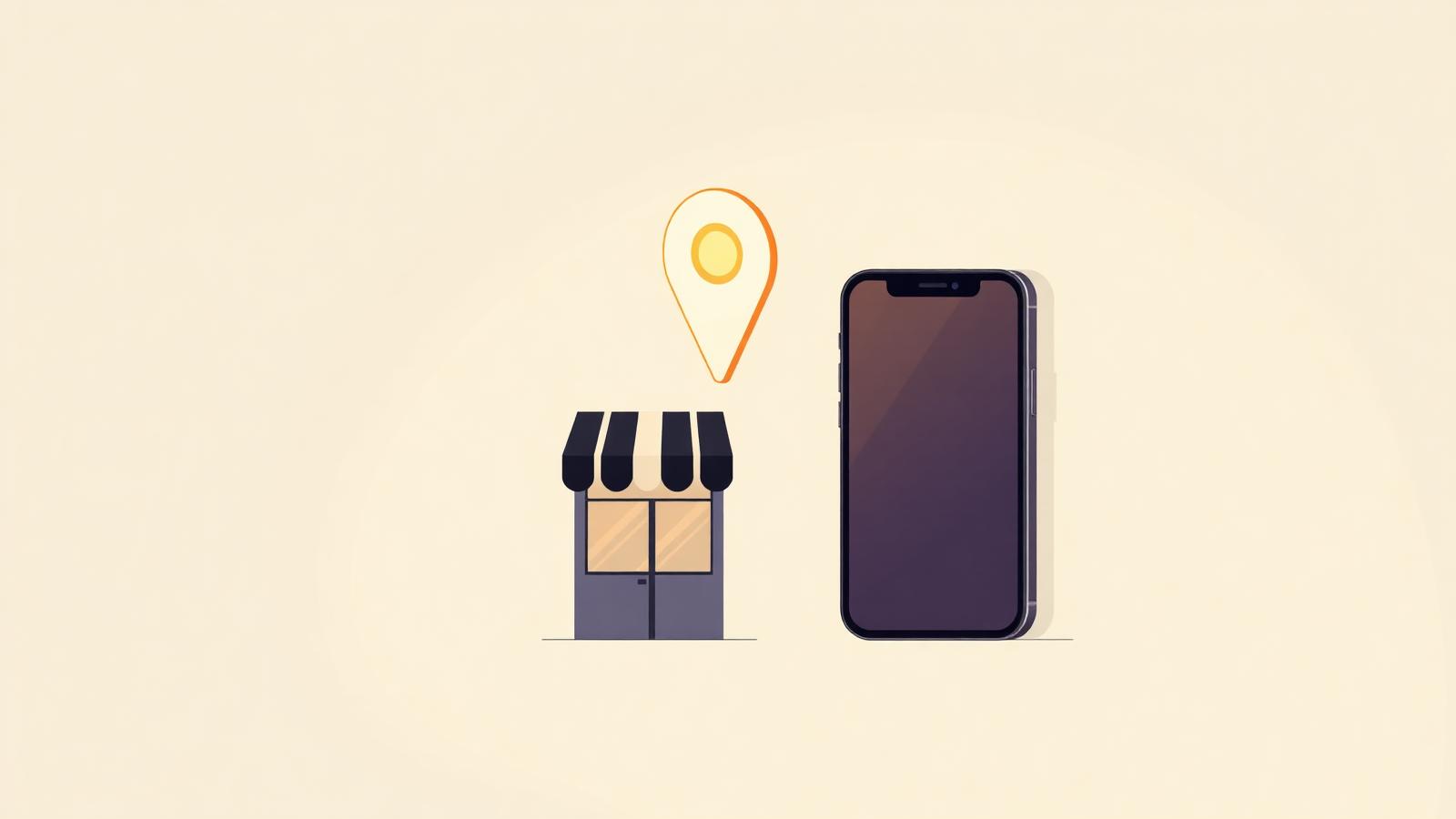
WeLoyal is a digital loyalty card platform that lets businesses trigger automatic push notifications the moment a customer physically walks near a chosen location, using the geo-location capability built into Apple Wallet and Google Wallet. Of all the features available on a digital loyalty card, geo-located notifications are consistently one of the most underused and least understood, largely because nothing quite like it existed before wallet-based cards made it possible. This post explains exactly how the feature works, why the timing it creates is so much more powerful than a normal scheduled message, and how real businesses put it to use.
What a geo-located notification actually is
Every loyalty card installed in a customer's wallet knows its own location settings, meaning it can be configured to automatically alert that customer's phone the moment they physically enter a defined area around a chosen address. A business sets the location, usually its own storefront, though there's no requirement it has to be, and sets a radius around that point. From that moment forward, any customer with the card installed who physically walks within that radius has their phone trigger a notification automatically, with zero manual action required from the business at the moment it happens.
This is meaningfully different from a scheduled marketing message sent at a fixed time regardless of where a customer actually is. A notification sent at midday on a Wednesday might land while a customer is at their desk, in a meeting, or nowhere near the business at all, with no realistic way to act on it even if they see it. A geo-located notification, by definition, only ever fires at a moment when the customer is already close enough to walk in, which means the timing is inherently relevant in a way a fixed schedule simply cannot replicate.
Why proximity-based timing changes customer behavior
There's a meaningful psychological difference between being reminded of something in the abstract and being reminded of it at the exact moment you're standing close enough to do something about it. A customer who receives a generic "come back soon" message while sitting at home has to actively decide to make a trip at some later point, and that decision gets deprioritized against everything else competing for their attention that day. A customer who receives essentially the same message while walking past the business on an unrelated errand faces a completely different decision, whether to simply step inside right now, since they're already there.
This is the core reason geo-located notifications tend to convert into actual visits at a noticeably higher rate than time-based messages sent to the same audience. It isn't a smarter message, it's the same message delivered at a moment when acting on it requires almost no additional effort from the customer.
Setting this up isn't limited to a single storefront
A common assumption is that geo-located notifications only make sense for a business with one physical location reminding customers as they walk past that exact spot, but the feature is genuinely more flexible than that. A business can configure multiple locations relevant to its customers, not just its own address. A gym could set a notification to trigger near a partner nutrition store its members frequently visit. A salon running a pop-up at a local market could set the market's location temporarily, reaching regular customers specifically while they're already out and about nearby. A restaurant near a stadium or event venue could set a notification tied to that venue, reaching customers with an installed card the moment there's an event drawing crowds nearby, a moment when foot traffic and appetite for a nearby meal both spike at once.
Multiple locations can run simultaneously too, useful for any business with more than one physical branch, each location triggering its own relevant notification to nearby cardholders rather than one generic message tied to a single address.
How this pairs with segmentation for something even more targeted
Geo-located notifications become significantly more powerful once combined with a business's understanding of where a given customer actually stands in their relationship with the business, which is exactly what RFM-based segmentation, sorting customers by how Recently, Frequently, and how much they spend, is built to provide. A customer who's visited every week for the last two months walking near the business might not need the same nudge as a customer who hasn't been in for over a month. Pairing location-based triggers with behavioral segments lets a business send a message specifically calibrated to that customer's actual relationship status, right at the exact physical moment they're capable of acting on it, rather than a single generic proximity alert sent identically to everyone regardless of how engaged they already are.
Real examples of how businesses use this
A coffee shop sets its own location as the trigger point. A regular customer who's slowed down their visits over the last few weeks walks past on their way to work, and their phone shows a notification letting them know they're two stamps away from a free coffee. They weren't planning to stop, but the timing and the reminder together are often enough to change that plan on the spot.
A hair salon running a slow midweek period sets its location as the trigger and pairs it with a happy hour promotion active only on quiet afternoons. A past customer walking through the area during exactly that window receives a notification about a limited-time discount, timed precisely to a moment when the salon has spare capacity it would otherwise go unused.
A gym partners informally with a nearby healthy food spot and sets that location as a secondary trigger point, reaching members with a relevant offer or reminder specifically while they're already out running errands in the area, rather than only ever reaching them near the gym itself.
What makes this possible in the first place
None of this works without the card living permanently in the customer's phone wallet, since location-based triggering depends entirely on the wallet platform itself being able to recognize when an installed pass is relevant to where the phone currently is, the same underlying system that causes a boarding pass to automatically surface on a lock screen near an airport, or a coffee shop's loyalty card to surface near that coffee shop. A paper punch card obviously has no way to do this at all, and even a downloaded loyalty app generally requires the customer to have granted location permissions specifically to that one app and kept it running in the background, a level of setup most customers never bother completing. Because a wallet card sits inside the phone's own native wallet system, this capability comes built in without asking anything extra of the customer at all.
At a glance: what geo-located notifications make possible
How it works:
- A business sets one or more physical locations and a radius around each
- A customer's phone automatically triggers a notification when they enter that radius
- No manual sending required once it's configured
Why it outperforms scheduled messaging:
- Timing is inherently relevant, the customer is already close enough to act
- No guesswork about when a customer might be free or nearby
- Works passively in the background with zero ongoing effort from the business
Flexible use cases:
- A business's own storefront as the primary trigger
- Partner or nearby venues relevant to the customer base
- Multiple branch locations for multi-site businesses
- Event venues or seasonal locations for time-limited promotions
Best when combined with:
- RFM-based segmentation, so the message matches the customer's actual relationship status
- Happy hour or time-limited promotions, timed to slow periods
- Win-back campaigns aimed specifically at lapsed customers passing by
Read more
How Push Notifications Work on a Digital Wallet Card, and Why They're Free and Unlimited
How wallet push notifications work on a digital loyalty card, why they cost nothing to send in unlimited volume, and why they outperform SMS and app alerts.

Digital Loyalty Cards for Restaurants: Filling Tables on Slow Nights and Keeping Regulars Coming Back
How WeLoyal helps restaurants turn first-time diners into regulars with Toast POS integration, unlimited push notifications, and location-based alerts on slow nights.
Customer Lifetime Value: What It Means and How a Loyalty Program Actually Increases It
What customer lifetime value means, why it matters more than any single visit, and exactly how a digital loyalty program moves that number in the right direction.