How Push Notifications Work on a Digital Wallet Card, and Why They're Free and Unlimited
How wallet push notifications work on a digital loyalty card, why they cost nothing to send in unlimited volume, and why they outperform SMS and app alerts.
WeLoyal is a digital loyalty card platform that gives every business unlimited push notifications to every customer who has installed one of its cards, delivered directly through Apple Wallet and Google Wallet at no per-message cost. Of everything a digital loyalty card actually does, the push notification system is arguably the single feature that separates it most sharply from a paper punch card, and it's different enough from a typical marketing text or app notification that it deserves a full explanation on its own. This post covers exactly how these notifications work, why they cost nothing to send in unlimited volume, and why they consistently outperform the notification systems most businesses have used before.
What a wallet push notification actually is
When a customer installs a loyalty card into their phone's wallet, that card isn't a static image sitting there unchanged until the next visit. It's a live object connected back to the business, and the wallet platform, whether Apple Wallet or Google Wallet, allows the business to push updates and alerts directly to that card at any time. A notification might announce that a stamp was just added, that a reward has become available, that a birthday bonus just landed, or simply a reminder that it's been a while since the customer's last visit. Whatever the message, it arrives the same way any other notification on a phone does, appearing on the lock screen the moment it's sent.
This is fundamentally different from how a loyalty app has to behave. An app can only send a notification if the customer has the app installed, has kept notifications enabled for it specifically, and hasn't buried it under a pile of other app permissions they've since forgotten about. A wallet notification bypasses all of that, because it isn't coming from a separate app competing for attention, it's coming from the wallet itself, one of the small number of places on a modern smartphone that reliably still gets checked.
Why "unlimited and free" is a genuinely different model
Most businesses that have tried to stay in regular contact with their customer base have done so through SMS marketing, and SMS marketing is priced per message sent, sometimes only fractions of a cent per text, but multiplied across a growing customer list and multiple messages a month, the cost adds up quickly and becomes something a business has to actively budget and ration. This creates a strange incentive where a business that wants to genuinely nurture its customer relationships ends up sending fewer messages than it should, purely because every additional message carries a direct cost.
A wallet-based loyalty card removes that constraint entirely. Because notifications are sent through the wallet platform itself rather than through a paid messaging carrier, there's no per-message charge and no practical cap on how often a business can reach out. This changes the entire calculus of customer communication. A business can send a birthday message, a reminder about an expiring stamp, a happy hour alert, and a win-back nudge to a lapsed customer, all in the same month, to the same customer if relevant, without watching a bill climb with every send. The constraint shifts from "can we afford to send this" to simply "does this message make sense to send," which is a far healthier way to run ongoing customer communication.
Why these notifications get seen when so many others don't
Anyone with a smartphone understands, from lived experience, how easy it's become to ignore app notifications. Dozens of apps competing for a sliver of attention on a lock screen trains people to swipe them away without reading, or to disable notifications for most apps entirely after the first few weeks of ownership. A wallet notification doesn't fight that same battle, because it isn't grouped with app notifications the way a typical push is. It behaves, both technically and in how a customer perceives it, closer to a text message than an app alert, landing directly and prominently, in a category of notification people have not yet learned to reflexively ignore.
This matters enormously for a business trying to actually influence behavior, not just technically deliver a message. A reminder that never gets read achieves nothing, no matter how well it was written or how generous the offer inside it. A reminder that lands on the lock screen and actually gets seen is the difference between a loyalty program that quietly drives real repeat visits and one that exists on paper but never actually reaches anyone.
The different kinds of notifications a business can send
Push notifications through a loyalty card generally fall into a few useful categories, each suited to a different purpose. Transactional notifications confirm something that just happened, a stamp was added, a reward was redeemed, a payment went through, giving the customer immediate, satisfying feedback the moment they interact with the business. Milestone notifications celebrate progress, letting a customer know they've just unlocked a reward or crossed into a new loyalty tier. Time-based notifications include birthday messages and anniversary reminders, small, low-effort gestures that tend to generate outsized goodwill precisely because customers don't expect a business to remember. And re-engagement notifications, the ones built around a customer's actual behavior pattern rather than a fixed schedule, are where the deeper automation genuinely starts to shine, sending a nudge specifically to customers who've gone quiet rather than blasting the entire list indiscriminately.
Geo-located notifications: timing that nothing else can match
Layered on top of the standard notification system is the ability to trigger a message based on physical location rather than a fixed schedule. A business sets a location, typically its own storefront, though it can be any relevant address, and defines a radius around it. When a customer with the loyalty card installed physically enters that radius, their phone automatically fires a notification, entirely without the business needing to manually send anything at that moment.
The power in this is almost entirely about timing. A generic reminder sent at 10am on a Tuesday might land on a customer's lock screen while they're at work, miles from the business, with zero practical way to act on it in that moment. A geo-triggered notification, by contrast, only ever fires when the customer is already close enough to walk in, which means the moment the message arrives is also the moment it's most likely to actually convert into a visit. A customer who hasn't been to a coffee shop in a few weeks, walking past it on an errand, receiving a gentle nudge about their nearly-complete stamp card right at that exact moment, is a genuinely different proposition than the same message landing at a random hour with no relevance to where the customer physically is.
How this feeds into segmentation and automation
Push notifications become dramatically more effective once they're not sent to everyone identically. This is where the notification system connects directly into RFM-based customer segmentation, automatically sorting a customer base by recency, frequency, and monetary value, and letting a business build different notification flows for different segments. A loyal, frequent customer might receive a message thanking them for their continued support and offering early access to something new, while a customer who's gone quiet for weeks might receive a specifically designed win-back message instead, sometimes paired with a small incentive to return. The right message reaches the right person, automatically, rather than every customer on the list receiving the exact same generic blast regardless of where they actually stand with the business.
At a glance: why wallet push notifications outperform the alternatives
Cost:
- Unlimited notifications included, no per-message charge
- No need to ration outreach to control cost
Visibility:
- Appears directly on the lock screen, like a text message
- Not competing with dozens of other app notifications
- Comes from the wallet itself, a place customers already check reliably
Timing:
- Can be triggered automatically by physical location (geo-located notifications)
- Can be triggered automatically by customer behavior through segmentation
- Not limited to a fixed sending schedule
Intelligence:
- Feeds into and out of RFM-based customer segmentation
- Supports different messages for different customer states automatically
- Requires no manual sorting or tagging by the business owner
Read more
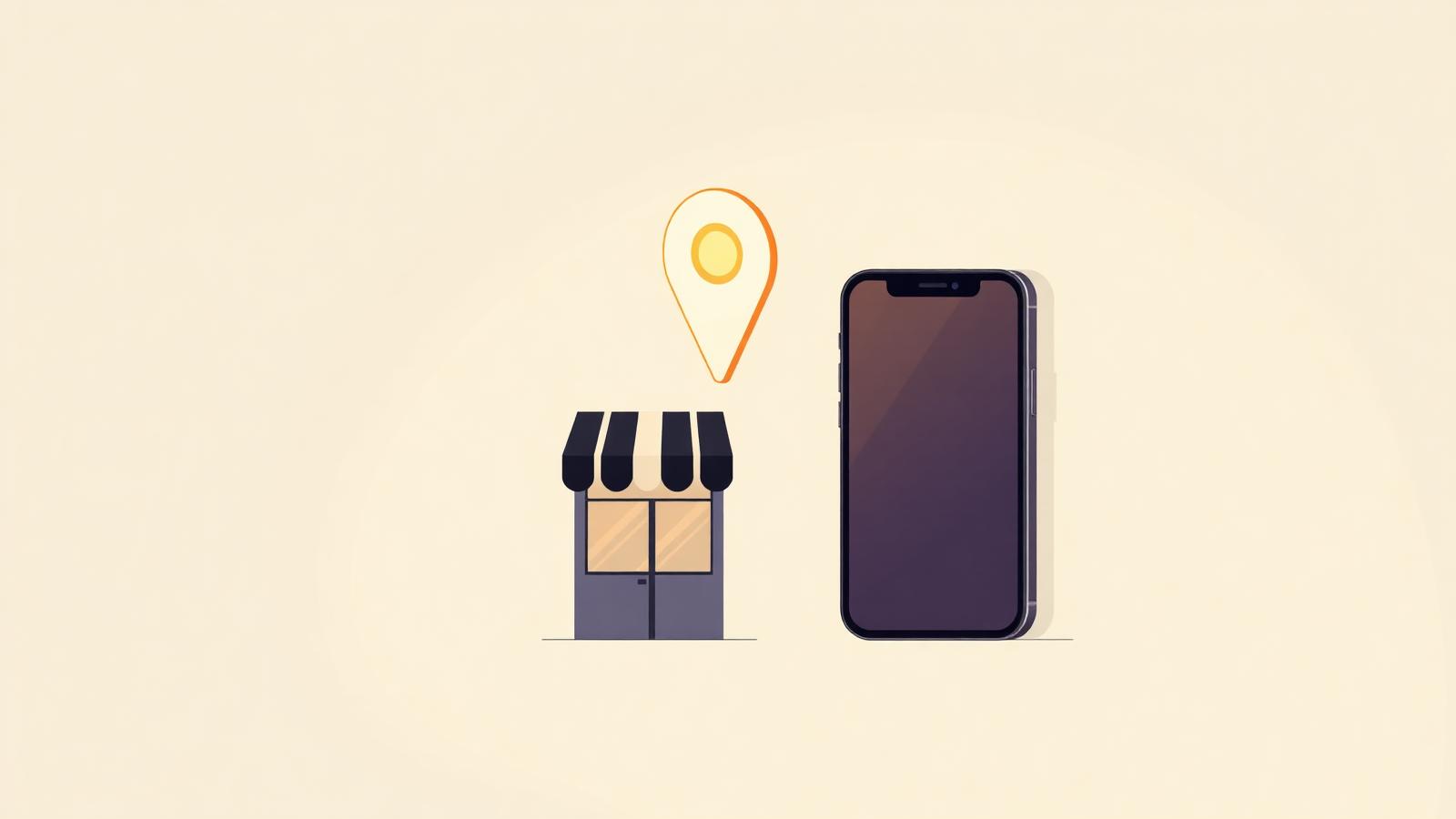
Geo-Located Push Notifications Explained: Reaching Customers the Moment They're Nearby
How geo-located push notifications on a digital loyalty card fire automatically when a customer walks nearby, and why the timing beats any scheduled message.

Digital Loyalty Cards for Restaurants: Filling Tables on Slow Nights and Keeping Regulars Coming Back
How WeLoyal helps restaurants turn first-time diners into regulars with Toast POS integration, unlimited push notifications, and location-based alerts on slow nights.
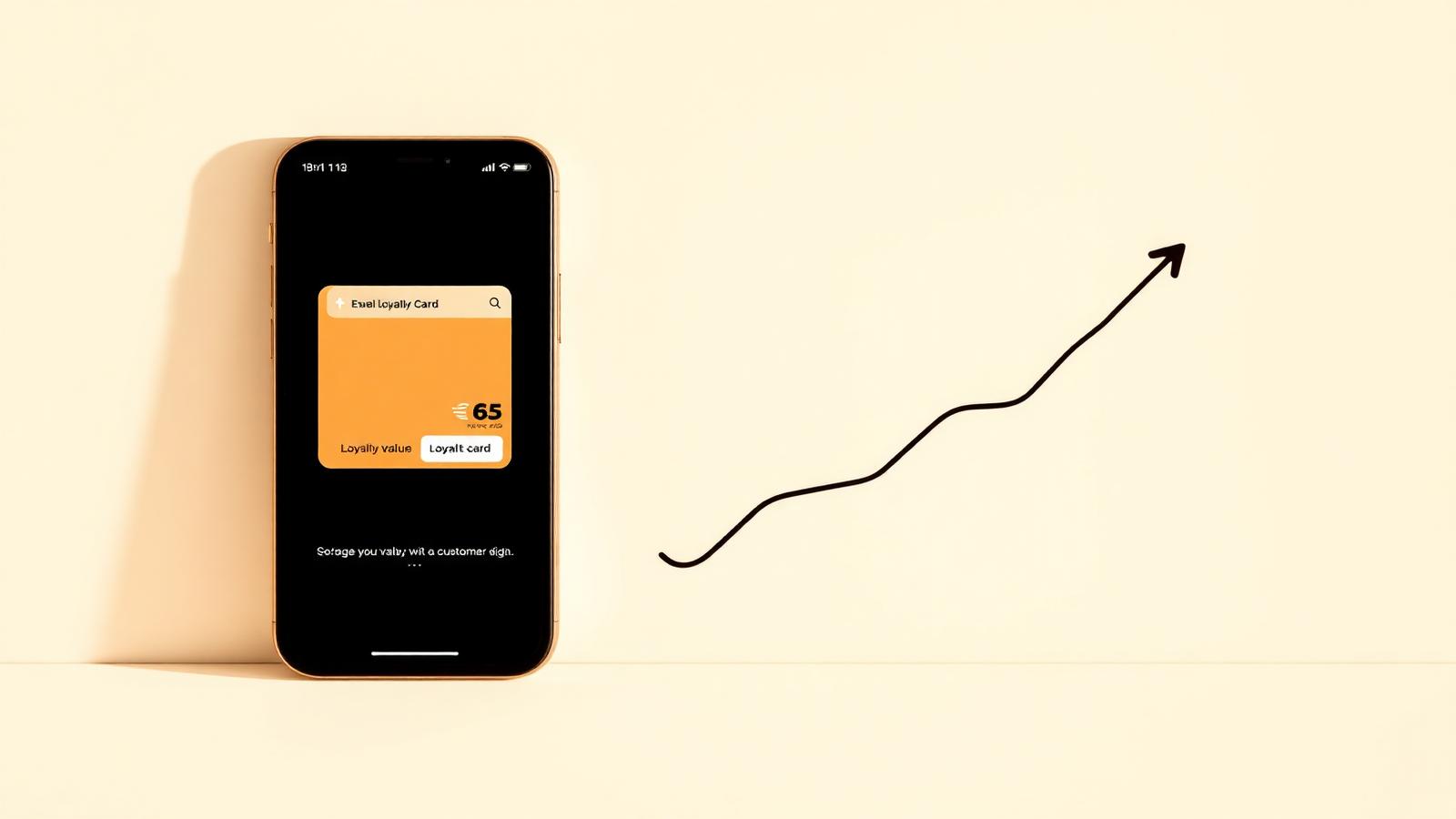
Customer Lifetime Value: What It Means and How a Loyalty Program Actually Increases It
What customer lifetime value means, why it matters more than any single visit, and exactly how a digital loyalty program moves that number in the right direction.