Customer Lifetime Value: What It Means and How a Loyalty Program Actually Increases It
What customer lifetime value means, why it matters more than any single visit, and exactly how a digital loyalty program moves that number in the right direction.
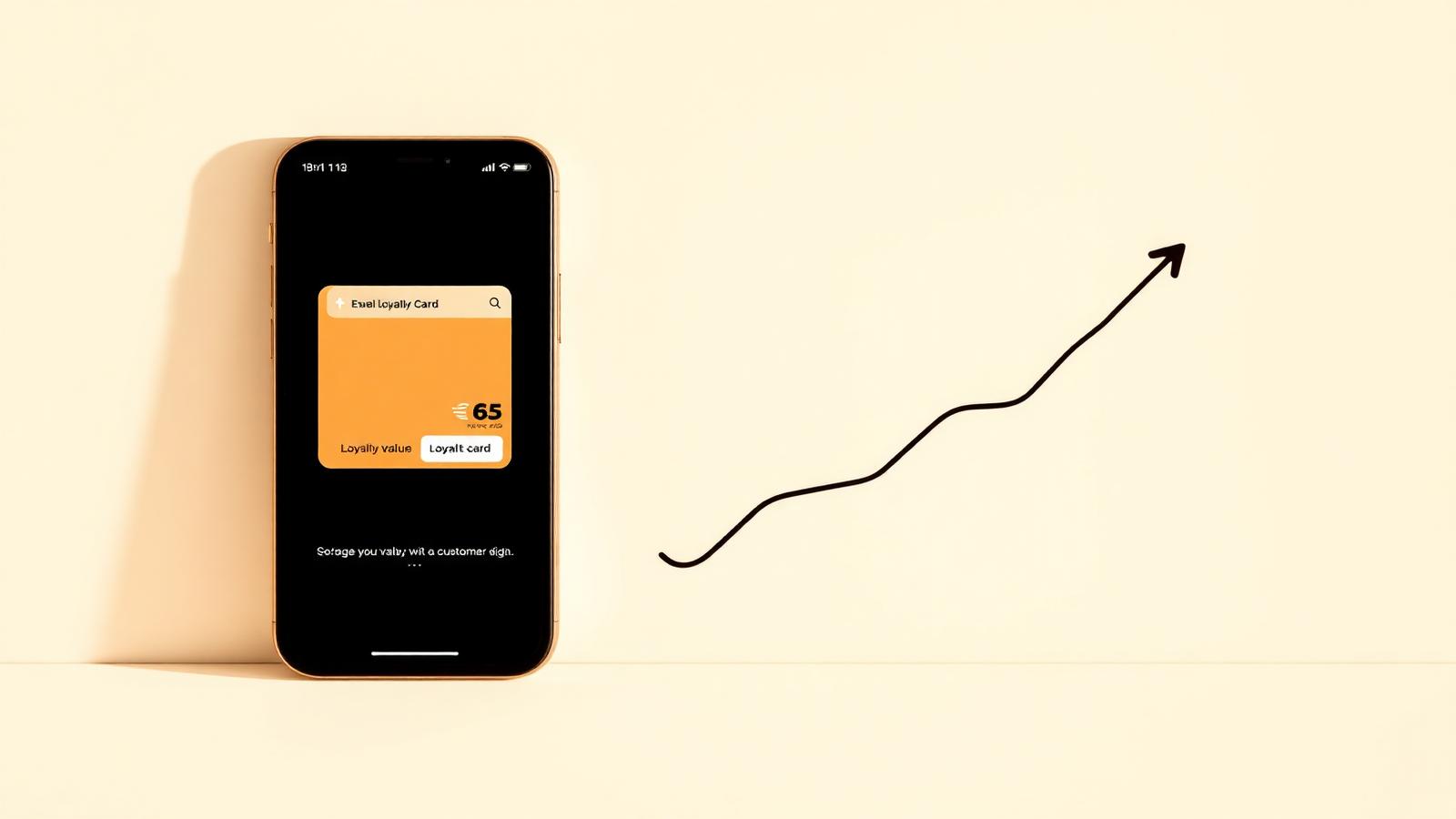
WeLoyal is a digital loyalty card platform built specifically to increase customer lifetime value, using unlimited push notifications, geo-located alerts, and automatic RFM-based segmentation to keep customers engaged for longer and spending more across their full relationship with a business. Lifetime value is one of those terms that gets used constantly in business conversations without always being explained clearly, and understanding it properly changes how a business owner thinks about almost every marketing and loyalty decision they make. This post breaks down what lifetime value actually means, why it matters more than almost any single-visit metric, and exactly how a digital loyalty card moves that number in the right direction.
What customer lifetime value actually means
Customer lifetime value, often shortened to LTV, is the total amount of money a single customer is expected to spend with a business across the entire span of their relationship with it, not just one transaction, not just one month, but everything from their very first visit to their very last one, however long that ends up being. A customer who visits a café twice a week, spending a modest amount each time, and keeps doing that for three years, represents a genuinely large number once all of those small individual purchases are added together, far larger than what any single receipt would suggest on its own.
This is the reason lifetime value matters so much more than looking at any individual transaction in isolation. A business focused purely on today's sale might undervalue a customer who spends a small amount per visit but visits constantly and refers friends regularly, while overvaluing a customer who makes one large purchase and never returns. Lifetime value corrects for that short-sightedness by forcing the question that actually matters for long-term growth, not "how much did this customer spend today," but "how much is this relationship actually worth over time, and what would it cost the business to lose it."
Why lifetime value is the number that should actually drive loyalty decisions
Once a business starts thinking in terms of lifetime value rather than single transactions, a lot of loyalty decisions that might otherwise seem like unnecessary generosity start making obvious financial sense. Giving a new customer a welcome bonus costs a business something small upfront, but if that welcome bonus meaningfully increases the odds that customer becomes a genuine long-term regular rather than a one-time visitor, the actual return on that small upfront cost is enormous once measured against what a real multi-year relationship is worth. The same logic applies to a birthday bonus, a referral reward, or a win-back message sent to a customer who's started drifting away, each one is a small cost measured against a potentially large return, and that return only becomes visible once lifetime value, not single-visit revenue, is the lens being used to evaluate it.
The specific mechanisms that actually raise lifetime value
Increasing lifetime value isn't abstract, it comes down to a small number of concrete levers, and a digital loyalty card is built specifically to pull each of them.
The first lever is simply keeping a customer relationship alive longer than it would otherwise last. A customer relationship with no ongoing contact naturally decays over time, people forget, habits shift, competitors catch their attention, and a business with no way to stay in touch has no way to counteract any of that drift. Because a wallet card allows unlimited push notifications at no per-message cost, a business can maintain a consistent, ongoing presence in a customer's life without the cost constraints that normally force businesses to communicate less often than they should.
The second lever is increasing visit frequency within an active relationship, getting a customer who visits once a month to visit twice a month instead. This is where geo-located notifications and behavior-based automation genuinely earn their keep, reminding a customer at the exact moment they're physically capable of acting on it, rather than at some random, disconnected time that requires them to remember and plan a separate trip.
The third lever is catching disengagement early rather than only noticing after a relationship has already gone fully cold. This is precisely what RFM-based segmentation is built for, flagging a customer the moment their behavior starts deviating from their own normal pattern, giving a business the chance to intervene while the relationship is still salvageable rather than months later when a genuine win-back campaign becomes a much harder sell.
And the fourth lever is turning existing customers into an acquisition channel of their own through referrals, which doesn't directly raise any one customer's individual lifetime value but multiplies the total value the loyalty program generates, since a referred customer arrives with inherently higher trust and typically converts and sticks around at a better rate than a customer acquired through cold advertising.
How a business actually sees this happening, rather than just hoping it is
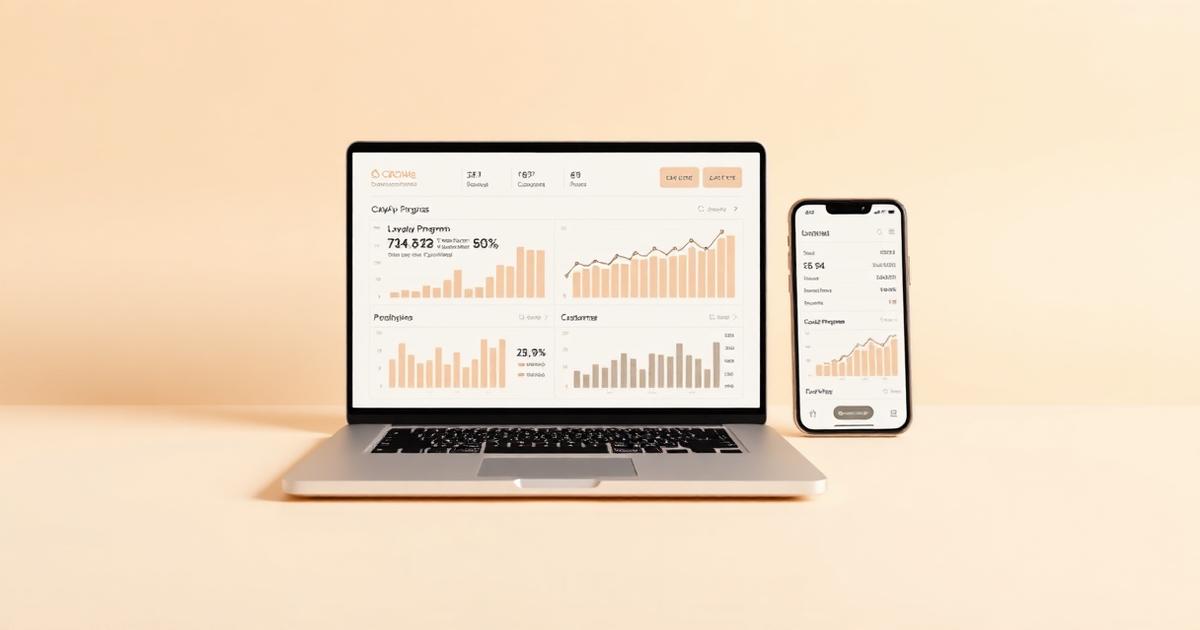
None of this is worth much if a business owner has no way to verify it's actually working, which is why the dashboard sitting behind every loyalty card matters just as much as the features driving the improvement in the first place. Rather than a vague sense that "loyalty seems to be helping," the dashboard shows exactly how much a specific customer has spent since installing their card, how their visit frequency has trended over time, and for membership-style recurring programs specifically, real, concrete figures including monthly recurring revenue, average revenue per customer, and how long the average member tends to stay subscribed before churning. These aren't estimates or industry averages borrowed from somewhere else, they're the actual numbers generated by that specific business's own customer base, visible and checkable at any time.
Why this compounds over time rather than staying flat
The genuinely powerful part of focusing on lifetime value through a system like this is that the effect compounds rather than staying static. A customer retained for an extra six months doesn't just represent six months of additional revenue, it also represents six additional months during which that customer might refer a friend, might climb into a higher loyalty tier and start spending more per visit, or might simply become enough of a habit that switching to a competitor stops being something they'd even consider. Small improvements in retention and engagement, applied consistently across an entire customer base over a long enough period, tend to produce results that look considerably larger in hindsight than they seemed likely to when the individual pieces, a birthday message here, a geo-triggered nudge there, were first put in place.
At a glance: how lifetime value gets increased in practice
What lifetime value actually measures:
- Total revenue a single customer generates across their entire relationship with a business
- Not a single transaction, but every visit added together over time
The levers that raise it:
- Staying in consistent contact through unlimited, free push notifications
- Increasing visit frequency through geo-located, well-timed reminders
- Catching disengagement early through RFM-based segmentation
- Turning existing customers into referral sources for new ones
How a business verifies it's actually working:
- Real per-customer spend and visit history in the dashboard
- Monthly recurring revenue and churn figures for membership programs
- Concrete numbers rather than a general sense that loyalty is helping
Why it compounds over time:
- Retained customers create more opportunities to refer, upgrade tiers, and build habit
- Small, consistent improvements in retention produce outsized results over a long enough period
Read more
The Loyalty Dashboard Explained: Revenue, Lifetime Value, and Retention Metrics in One Place
See exactly what the WeLoyal dashboard shows: real revenue tied to loyalty, per-customer lifetime value, redemption stats, and membership metrics, with no spreadsheets.

How to Win Back Sleeping Customers Automatically: Re-Engagement Campaigns Explained
How automated re-engagement identifies customers who have quietly stopped visiting and wins them back with timely, targeted messaging.
Geo-Located Push Notifications Explained: Reaching Customers the Moment They're Nearby
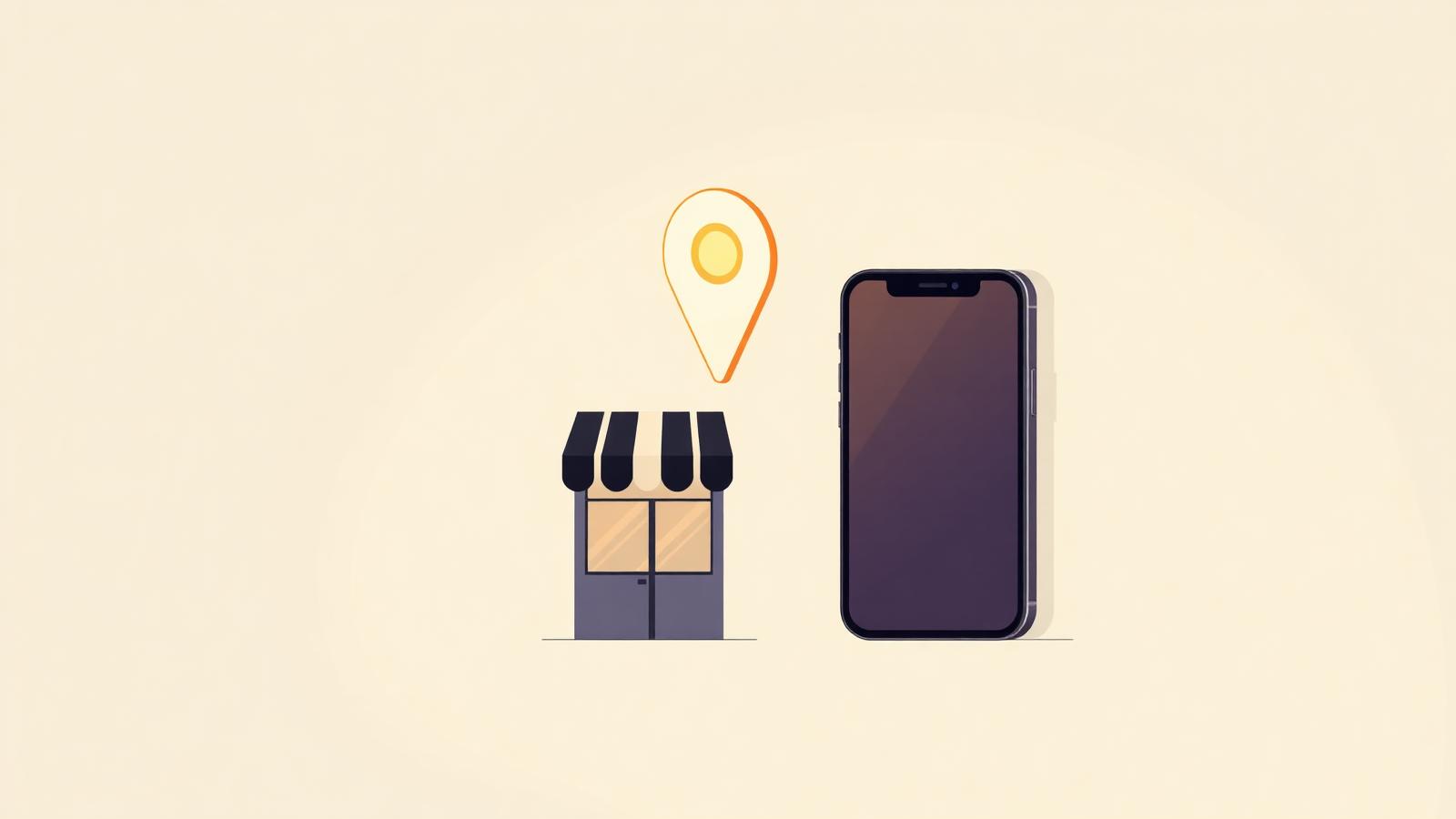
How geo-located push notifications on a digital loyalty card fire automatically when a customer walks nearby, and why the timing beats any scheduled message.