Digital Loyalty Cards for Beauty Salons: Rewarding Your Best Clients and Filling the Chair on Slow Days
How WeLoyal helps beauty salons reward clients by what they spend, sell prepaid treatment packages, and turn gift purchases into new clients across a wide range of services.
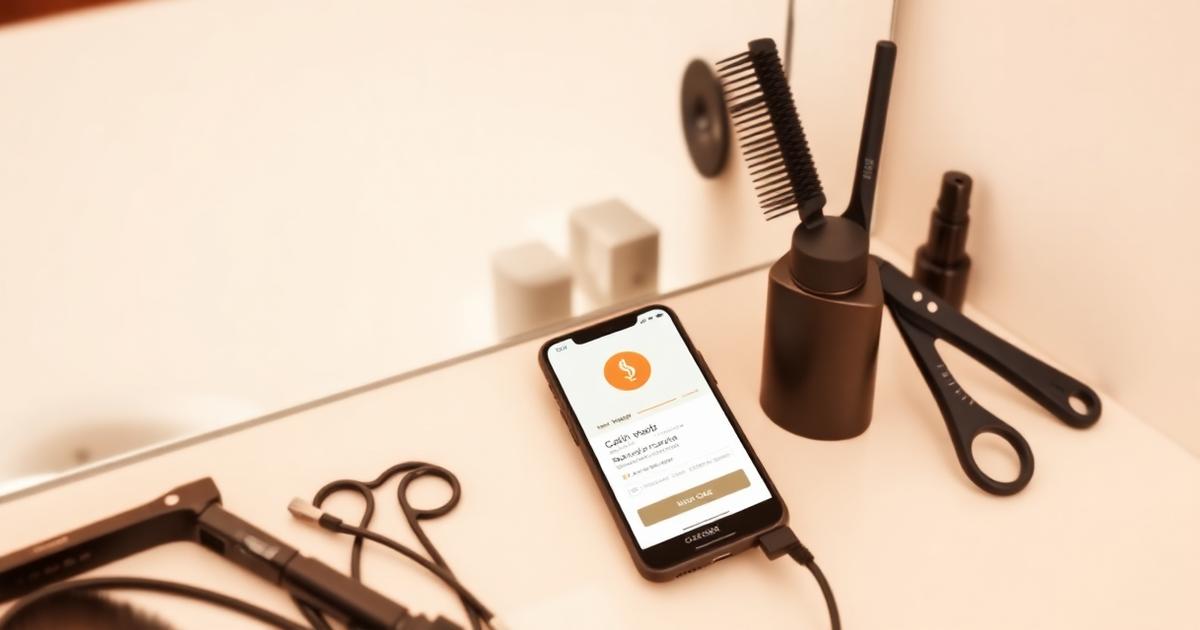
WeLoyal is a digital loyalty card platform built to help beauty salons reward loyal clients proportionally to what they spend, sell prepaid treatment packages, and turn gift purchases into genuine new clients, all delivered directly through a client's Apple Wallet or Google Wallet with no app download required. A beauty salon has one of the widest ranges of purchase sizes of any local business, someone popping in for a quick brow tint and someone booking a full color, cut, and treatment session are both walking through the same door, and a loyalty program that treats them identically misses an enormous amount of what actually makes a salon's client base valuable. This post looks at how a digital loyalty card fits the real, varied way a salon actually operates.
Why a salon's loyalty needs are genuinely more varied than most businesses
Most businesses covered on this site have one fairly consistent transaction type. A salon rarely does. A single client might book a fifteen-minute brow appointment one month and a full balayage costing several times as much the next, and a client base overall tends to spread across a genuinely wide spectrum of service frequency and spend. This variety is exactly why choosing the right card mechanic matters more for a salon than for a business with a single, simple, repeatable transaction, and why many salons ultimately benefit from thinking carefully about which specific mechanic fits their specific mix of services, rather than defaulting to whatever the simplest option happens to be.
Cashback and discount cards: rewarding what clients actually spend, not just how often they show up
For a salon offering a real range of services at genuinely different price points, a cashback card or a discount card tends to serve the business far better than a flat stamp card ever could, because both reward a client proportionally to their actual spend rather than treating every visit as equally valuable regardless of whether it was a ten-minute service or a two-hour appointment.
A cashback card gives clients a percentage of every visit back as spendable points, with tiers that climb as a client's cumulative lifetime spend crosses defined thresholds, meaning a salon's highest-spending regulars naturally end up earning back more than an occasional, lower-spending visitor, which tends to feel genuinely fair to both groups rather than forcing a one-size-fits-all reward that either overpays casual visitors or underpays the salon's actual best clients. A discount card takes a slightly different, often simpler approach for salons that would rather skip the points-tracking altogether, giving loyal clients an automatically better price as their lifetime spend grows, with no balance to manage or redeem, the discount simply applies the moment the card is scanned at checkout.
Either approach lets a salon build a genuine tier structure, a client who's spent a few hundred over their history earning a modest rate, and a client who's spent several thousand over years of loyalty earning meaningfully more, which reflects the real, uneven distribution of value across a typical salon's client base far more honestly than a flat, identical reward for everyone ever could.
The multipass card: built for exactly how packages already get sold
Many salons already sell service packages informally, a course of six facials, a set number of waxing sessions, a bundle of laser treatments, often at a modest discount versus booking each session individually. A multipass card takes this existing practice and gives it a proper, trackable format, a fixed number of visits purchased upfront, decrementing automatically with each appointment, with the remaining balance always visible on the client's phone rather than tracked on a sticky note behind the desk or trusted entirely to memory.
This matters especially for treatments that genuinely need to be completed as a full course to work properly, certain facial or laser treatments losing much of their effectiveness if a client drops off partway through. Because the balance is always visible and reminders can be sent automatically as a client's remaining sessions run low, a multipass card gently supports clients actually finishing the full course they paid for, rather than a package quietly going half-used and forgotten.
The gift card: turning a present into a brand new client relationship
Beauty and wellness services are one of the single most common gifting categories that exist, a facial, a spa day, a full pampering package bought as a birthday or holiday gift for someone else entirely. A gift card built specifically around this flow lets a client purchase a balance online, receive a shareable link or QR code rather than a code for themselves, and send that directly to whoever the gift is actually for. The recipient installs the card straight into their own wallet, sees the balance already loaded, and books their appointment, often as their genuine first interaction with the salon at all.
This is worth taking seriously as a real client acquisition channel, not just a nice seasonal extra, because a gift recipient arrives with an unusually high level of built-in trust, someone they know personally chose this specific salon for them, which tends to convert into a strong first impression and a real chance at retaining them as an ongoing client well beyond that single gifted visit, provided the follow-up communication after that first appointment is handled thoughtfully.
Filling quiet weekday appointments deliberately
Salons, like most appointment-based businesses, tend to have predictable slow periods, quiet Tuesday and Wednesday mornings sitting in stark contrast to a fully booked Saturday. A happy hour setting, available on several card types, lets a salon boost stamp or points accrual specifically during these defined slower windows, giving clients a genuine incentive to book during the exact times a salon would most benefit from filling. Paired with geo-located notifications, a salon can go further, triggering an automatic alert to nearby loyalty members specifically during a quiet period, reaching someone walking past on an errand at precisely the moment an empty chair is sitting there waiting.
Why re-engagement matters so much for salon retention specifically
Client relationships in beauty and personal care are genuinely vulnerable to quiet drift, a client trying a new salon that happened to be more convenient one particular week, and simply never coming back, without ever making any conscious decision to actually leave. Automatic RFM-based segmentation, tracking each client's own typical visit rhythm, catches exactly this kind of drift, flagging a client whose usual six-week color appointment cycle has quietly stretched to four months, a clear deviation worth acting on with a well-timed, genuinely warm nudge, ideally before that client has fully settled into a habit with a different salon entirely.
At the same time, a salon's most loyal, highest-tier clients deserve to feel that loyalty genuinely recognized, not just tracked. Automated messaging can treat this segment completely differently, offering early access to a new stylist's opening availability, a birthday treatment on the house, or simply consistent acknowledgment that reinforces exactly why that client keeps choosing this salon over every other option available to them.
At a glance: how a digital loyalty card fits a beauty salon
Best card types for beauty salons:
- Cashback or discount cards for salons with a wide range of service price points
- Multipass cards for pre-sold treatment packages and multi-session courses
- Gift cards for salons with a strong gifting occasion built into their services
- Membership cards for salons building an ongoing VIP or subscription-style tier
Why proportional rewards matter more here than a flat stamp:
- Purchase sizes vary enormously between a quick service and a full treatment
- Tiered cashback or discount rewards reflect a client's real, cumulative value fairly
How the multipass supports treatment courses specifically:
- Matches how packages are already commonly sold
- Keeps a client on track to actually finish a course that needs full completion to work
Why gift cards matter as an acquisition channel:
- Beauty services are one of the most common gifting categories
- A gift recipient arrives with strong built-in trust, a genuine opportunity for long-term retention
How this fills quiet periods and prevents client drift:
- Happy hour and geo-located notifications drive bookings during slow windows
- RFM segmentation catches a client's stretching appointment cycle before it becomes permanent
Read more
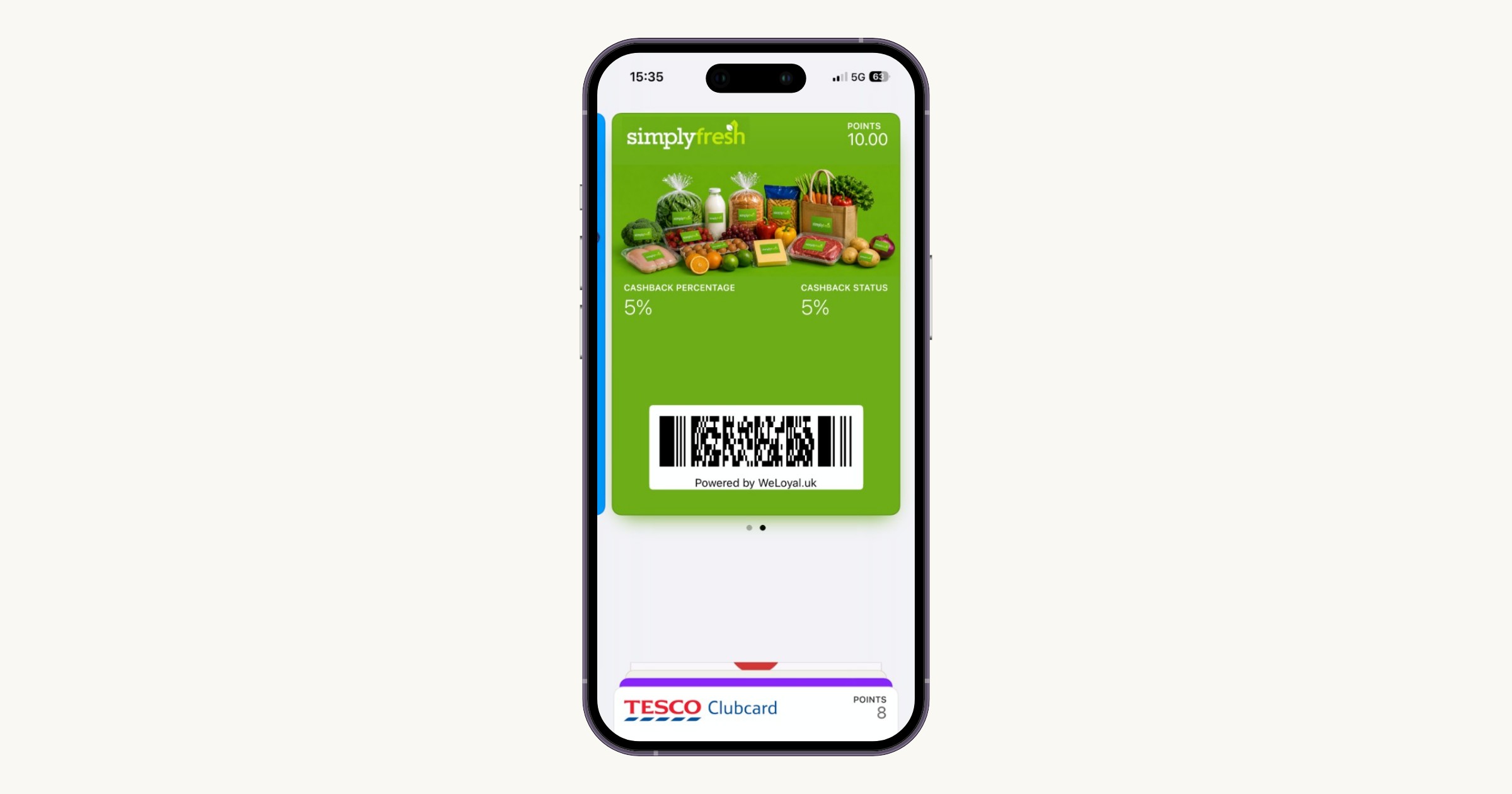
The Cashback Card: Rewarding Your Best Customers More, Automatically
Give customers a percentage of every purchase back as spendable points with WeLoyal cashback cards, built for businesses where purchase sizes vary.
Digital Loyalty Cards for Chiropractors: Keeping Patients on Their Treatment Plan
How WeLoyal helps chiropractic and physical therapy practices keep patients consistent with treatment plans, collect for packages upfront, and follow up with drop-offs.
Digital Loyalty Cards for Restaurants: Filling Tables on Slow Nights and Keeping Regulars Coming Back
How WeLoyal helps restaurants turn first-time diners into regulars with Toast POS integration, unlimited push notifications, and location-based alerts on slow nights.