Digital Loyalty Cards for Chiropractors: Keeping Patients on Their Treatment Plan
How WeLoyal helps chiropractic and physical therapy practices keep patients consistent with treatment plans, collect for packages upfront, and follow up with drop-offs.
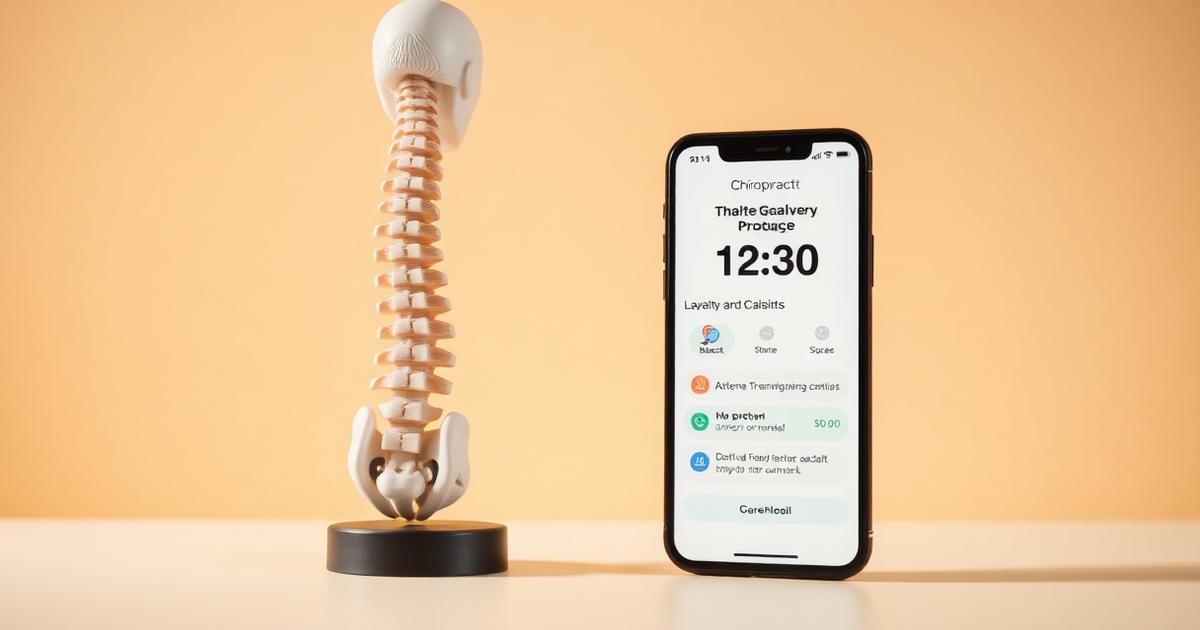
WeLoyal is a digital loyalty card platform built to help chiropractic and physical therapy practices keep patients consistent with their treatment plans, collect payment for treatment packages upfront, and automatically reach out to patients who quietly stop coming in before their care plan is actually finished. Chiropractic care sits in a genuinely different category from most of the businesses covered on this site, because the entire clinical value of the work depends on a patient actually completing a course of treatment, not just visiting occasionally when convenient. This post looks specifically at how a digital loyalty card supports that reality, rather than treating a chiropractic practice like a generic retail loyalty use case.
Why patient consistency is the real business problem here, not just repeat visits
In most of the businesses discussed elsewhere on this site, more visits are simply better for the business in a fairly straightforward way. A chiropractic practice has a more specific version of that same goal, because a patient who books six sessions for a treatment plan and then quietly stops after two hasn't just generated less revenue than they could have, they've also very likely not achieved the actual clinical outcome the treatment plan was designed to deliver, which affects word of mouth, patient satisfaction, and the practice's genuine reputation for actually helping people, not just its short-term revenue.
This makes patient drop-off a problem worth solving deliberately, not just accepting as a natural, unavoidable part of running the practice. A front desk team juggling a full schedule of patients simply doesn't have the bandwidth to personally notice and follow up with every single patient who's fallen off their plan, especially in a busy multi-practitioner clinic, which is exactly the gap automated, behavior-based follow-up is built to close.
The multipass card: matching how treatment plans are actually sold
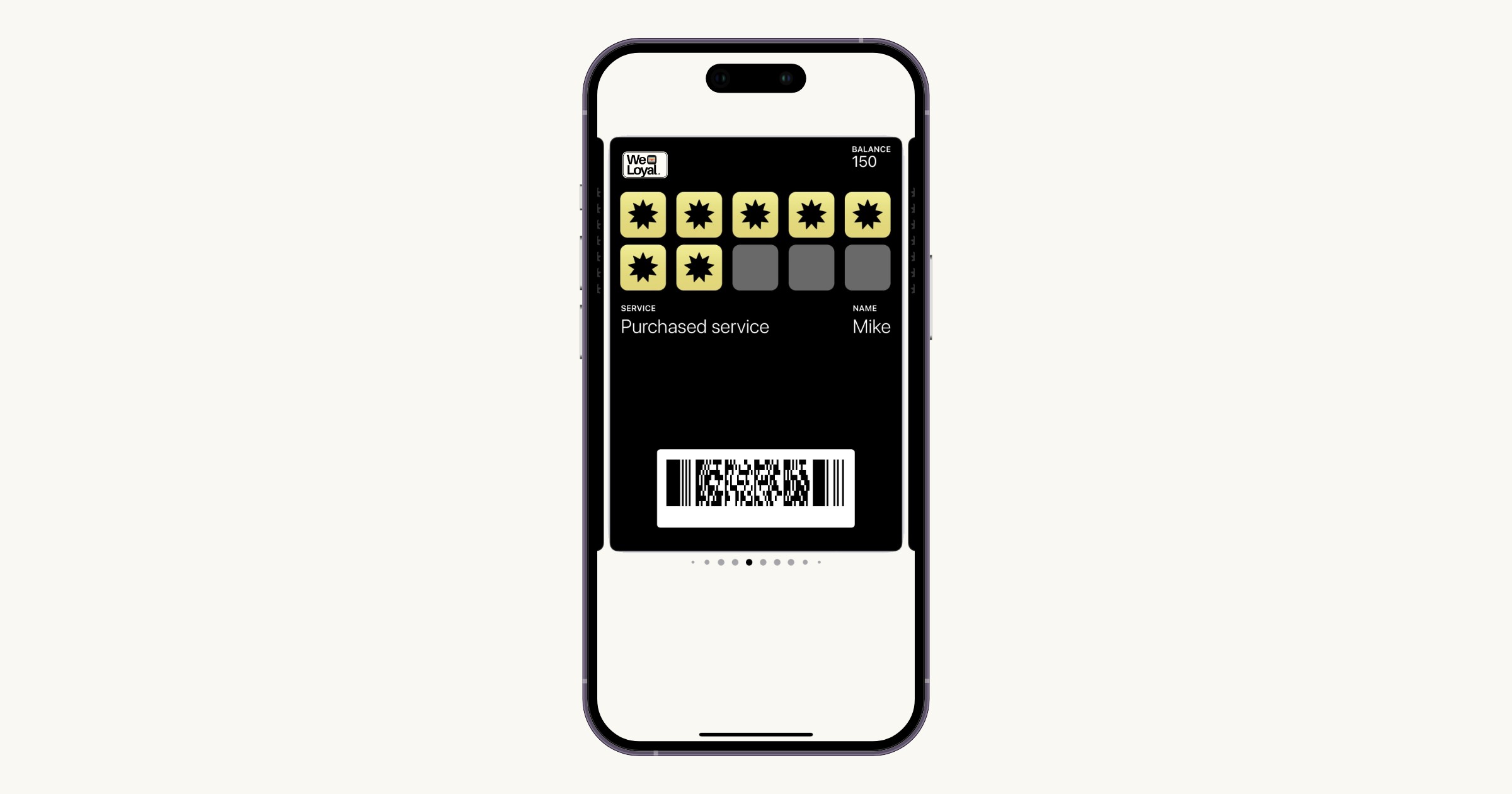
Chiropractic treatment is very often sold in packages rather than single sessions, an initial course of six or ten adjustments, sometimes with a maintenance package offered afterward for ongoing care. This maps precisely onto how a multipass card works, a fixed bundle of visits purchased upfront, counting down with each appointment attended, with the remaining balance always visible directly on the patient's phone rather than something the front desk has to look up separately or the patient has to remember and ask about.
Because the card lives permanently in the patient's wallet, there's no risk of a treatment package getting lost the way a paper voucher or a printed treatment plan sheet easily could, sitting forgotten in a glovebox or a kitchen drawer between appointments. And because collecting payment for the full package upfront is standard practice in this industry already, a digital multipass simply gives that existing business model a cleaner, more trackable, more durable format than a manual ledger or a paper card ever could, with the practice able to see at a glance exactly how many sessions a given patient has used and how many remain, and patients able to see the exact same thing themselves without needing to ask.
Why automated follow-up matters more here than in almost any other industry
A patient who misses a scheduled adjustment partway through a treatment plan isn't just a missed appointment, in many cases it's a genuine interruption to the clinical progress that plan was designed to build toward consistently. And because this can happen quietly, a patient simply not rebooking their next session rather than actively cancelling anything, a practice can easily go weeks without noticing a specific patient has drifted off their plan entirely, especially across a full patient roster.
This is exactly where automatic RFM-based segmentation earns its place in a chiropractic setting specifically. By tracking each patient's own typical visit frequency, the system can flag a clear, meaningful deviation the moment it happens, a patient who was coming in weekly as part of an active treatment plan and has suddenly gone quiet for two or three weeks represents a genuine, actionable signal, not just background noise. An automated, appropriately gentle follow-up message can go out specifically to that patient, checking in and making it easy to get back on schedule, well before the gap becomes long enough that resuming treatment effectively means starting over.
Because push notifications through the card cost nothing extra to send regardless of volume, this kind of proactive, individualized follow-up doesn't need to be rationed the way a manual phone-calling campaign or a paid SMS reminder system would force a practice to ration it. The message lands directly on the patient's lock screen, the same way a text from the practice would, rather than getting lost in an email inbox the patient may not check for days.
Appointment and care reminders beyond just re-engagement
Beyond catching patients who've drifted, the same notification system supports the more routine, day-to-day communication a chiropractic practice already needs to handle well. Reminders ahead of a scheduled appointment, notes about care instructions relevant between sessions, or a gentle nudge that a patient's treatment package balance is getting low and it may be time to discuss renewing before the current plan runs out entirely, all of these can be sent without any per-message cost concern, and all of them land somewhere a patient is actually likely to see them.
Building longer-term patient relationships beyond the initial treatment plan
Once an initial course of treatment is complete, many chiropractic patients genuinely benefit from ongoing maintenance care, periodic adjustments to maintain the progress already made rather than waiting for pain to return before booking again. This is a place where a membership card can genuinely fit well for practices wanting to build a predictable, ongoing maintenance relationship, a monthly membership offering a set number of maintenance visits at a defined recurring price, billed automatically through the practice's own connected Stripe account rather than requiring a patient to actively decide to book and pay individually every single time they're due for a check-up. For patients who've already experienced the value of consistent care during their initial treatment plan, this kind of ongoing membership tends to be a natural, easy next step rather than a hard sell.
Why the data behind all of this matters to a practice specifically
Beyond the day-to-day patient communication, the dashboard sitting behind a chiropractic practice's cards gives real, concrete visibility into patterns that are otherwise easy to miss entirely, how many patients are completing their full treatment packages versus dropping off partway through, what the practice's actual patient retention looks like month over month, and which specific patients represent the strongest long-term relationships worth actively nurturing. This turns what might otherwise be a vague sense of "patients seem to come and go" into something a practice can actually see clearly and act on.
At a glance: how a digital loyalty card fits a chiropractic practice
Best card types for chiropractic and physical therapy practices:
- Multipass for treatment packages sold as a bundle of sessions
- Membership for ongoing maintenance care after an initial treatment plan concludes
Why patient consistency matters more here than repeat visits alone:
- Clinical outcomes depend on patients completing their full treatment plan
- A dropped patient often represents an interrupted care journey, not just lost revenue
How automated follow-up specifically helps:
- RFM-based segmentation flags a patient's deviation from their own normal visit pattern
- Automated, gentle nudges catch drop-off early, before treatment progress is lost
- Appointment and care reminders sent at no per-message cost
Why a membership fits naturally after initial treatment:
- Supports predictable, ongoing maintenance care
- Billed automatically through the practice's own connected payment account
- A natural next step for patients who've already experienced consistent care firsthand
Read more
The Multipass Card: Getting Paid Before You Deliver the Service
Sell class packs, treatment bundles, and prepaid visits with WeLoyal multipass cards. Customers pay upfront and the balance counts down live in their wallet.
Digital Loyalty Cards for Beauty Salons: Rewarding Your Best Clients and Filling the Chair on Slow Days
How WeLoyal helps beauty salons reward clients by what they spend, sell prepaid treatment packages, and turn gift purchases into new clients across a wide range of services.

Digital Loyalty Cards for Coworking Spaces: Managing Members, Day Passes, and Recurring Revenue in One Place
How WeLoyal helps coworking spaces manage day passes, visit bundles, and full recurring memberships in one system, delivered straight to Apple Wallet and Google Wallet.