The Cashback Card: Rewarding Your Best Customers More, Automatically
Give customers a percentage of every purchase back as spendable points with WeLoyal cashback cards, built for businesses where purchase sizes vary.
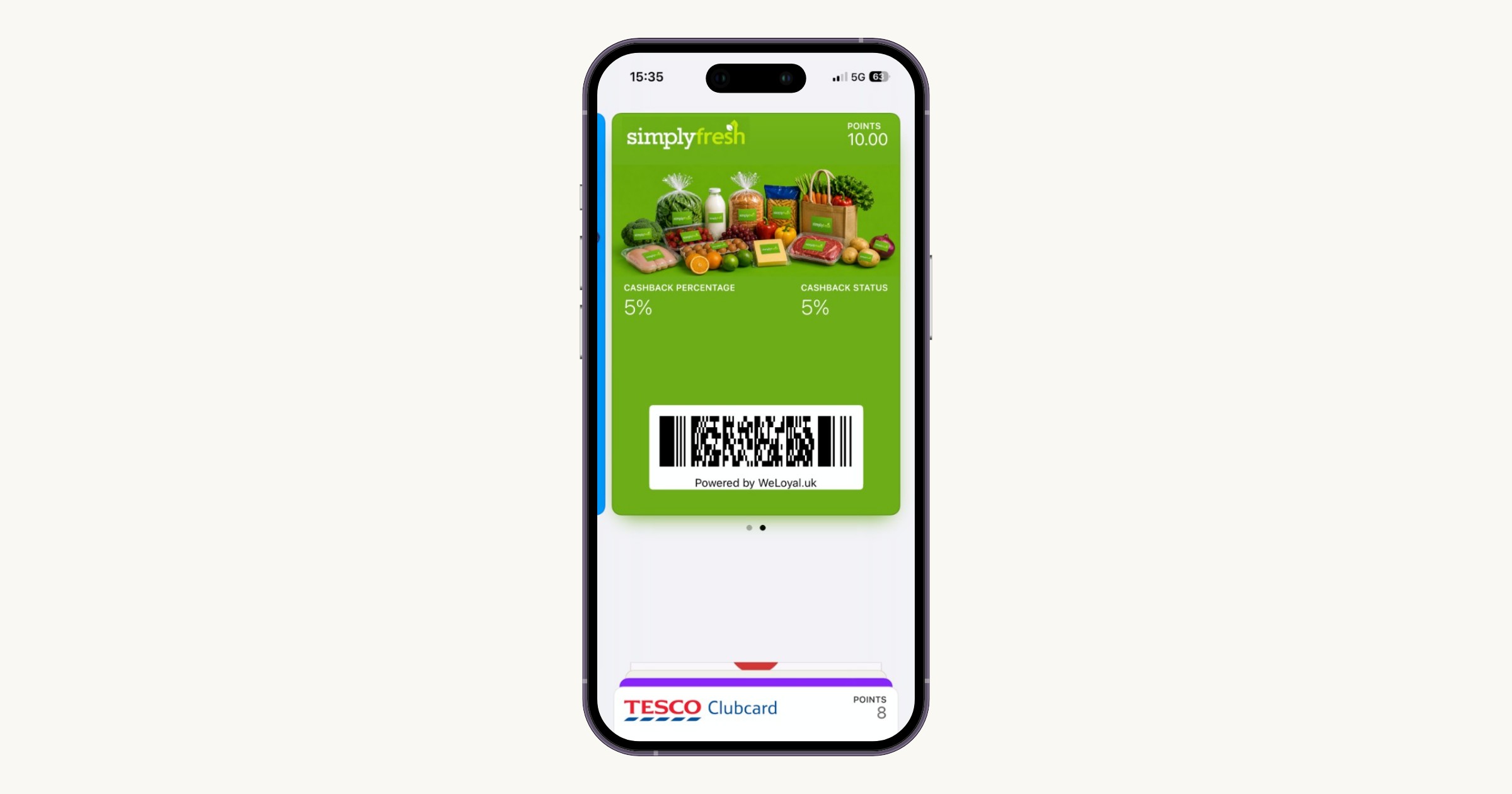
WeLoyal is a digital loyalty card platform that gives businesses a way to run points-based and percentage-based reward programs through Apple Wallet and Google Wallet, with no plastic cards, no paper stamps, and no separate app for the customer to install. Every card lives directly on the customer's phone and updates itself automatically as they earn and redeem rewards. Of the card types WeLoyal offers, the cashback card is the one built for businesses where purchase amounts vary significantly from customer to customer, and where rewarding people proportionally to what they spend makes more sense than a flat stamp or a fixed discount.
Not every business fits neatly into "buy this many, get one free." A boutique clothing store, a furniture shop, a jeweler, a high-end salon, these are places where purchases vary wildly in size, and a flat stamp for every visit doesn't really reflect how much a customer is actually spending with you. Someone who drops four hundred pounds on a single order deserves to be treated differently than someone who pops in for a fifteen pound accessory, and a cashback card is built specifically around that idea.
Instead of stamps, a cashback card gives customers a small percentage of every purchase back as points they can spend later, in the same way a credit card might give you cashback, except here you control exactly what the rate is and what those points end up being worth in your shop. It rewards spending directly and proportionally, which makes it feel less like a gimmick and more like an actual thank you for the money someone just handed you.
The mechanic customers already understand
People don't need this explained to them. Cashback as an idea has been part of everyday life for years through credit cards and cashback apps, so when a customer sees a card offering a percentage back on every purchase, they immediately know what's being offered and why it's worth keeping around. That familiarity is a real advantage, because a loyalty mechanic you don't have to explain is a loyalty mechanic people actually use.
Every purchase a customer makes gets a percentage credited back to their card as points, visible immediately, and those points sit there as a spendable balance the customer can use on a future purchase, whenever they decide the timing is right. As the business, you decide what those points are worth when redeemed, which gives you complete control over the actual cost of the program rather than being locked into some rigid points-to-currency conversion.
Making your most loyal customers feel like it
What separates a genuinely good cashback program from a flat, forgettable one is the ability to build in tiers. Rather than every customer earning the same one percent forever, you can set up a ladder, say a starting rate of one percent, climbing to three percent once someone's lifetime spending with you crosses a certain threshold, and climbing again to five or eight percent for your true top spenders. This isn't based on any single transaction, it's based on everything that customer has ever spent with you, added together over every visit.
The way this plays out in practice is quietly satisfying for the customer to watch. Someone starts at the bottom tier, earns a small percentage back on their early purchases, and as their total spending climbs toward the next threshold, they can almost feel themselves approaching it. Then one purchase pushes them over the line, and from that point forward every future purchase earns at the new, higher rate. It creates a sense of progress and status that a flat percentage never could, and it gives your biggest spenders a real, tangible reason to keep choosing you over a competitor, because switching now means giving up a rate they've earned.
You can build up to six of these tiers, which is more than enough room to create a meaningful journey from first-time customer to VIP without making the system so complicated that nobody bothers tracking their own progress.
The small mechanics that keep it fair
Points earned through cashback can be set to expire a fixed period after they're earned, which matters more than it might seem. Without some kind of expiry, a loyalty balance can quietly become a long-term liability sitting on your books, points from three years ago that a customer never redeemed but that you're still technically on the hook for. Giving points a shelf life keeps the whole system financially sane while still giving customers a genuinely generous window to use what they've earned.
There's also a happy hour setting here too, letting you temporarily boost the cashback percentage during quiet periods of the day or week, turning a slow Tuesday afternoon into an attractive reason to visit rather than a dead stretch you just have to sit through.
And just like the other cards, you can welcome new customers with a starting point balance the moment they sign up, surprise existing customers with bonus points on their birthday, and turn happy customers into your own referral network by rewarding them when a friend they've invited makes their first purchase.
Why this format fits certain businesses so well
A cashback card works best anywhere purchase amounts genuinely vary from customer to customer and visit to visit. Retail shops, furniture and home goods stores, jewelers, higher-end beauty and wellness businesses, anywhere the difference between a small purchase and a large one is significant enough that rewarding everyone identically would feel unfair to your biggest spenders. It turns loyalty into something that scales naturally with how much someone actually values your business, and it gives you a program that rewards the customers who matter most without you ever having to manually track who deserves special treatment.
Why a digital cashback card keeps earning its keep
A points balance is only useful to a business if the customer actually remembers it exists, and this is precisely where putting a cashback card into a phone's wallet changes the entire equation compared to a plastic card sitting forgotten in someone's purse.
Once it's installed in Apple Wallet, the card is simply there, permanently, in the same place people keep their boarding passes and tickets, which means a customer's growing balance stays visible and real rather than fading into the background the way a plastic card so often does. Nothing to lose, nothing to leave at home, nothing to replace after it gets damaged. The balance is exactly where the customer's attention already lives, on their phone.
That permanence pairs with something businesses rarely get access to elsewhere: the ability to send that customer as many push notifications as make sense, without paying per message the way SMS marketing demands. For a cashback program specifically, this is genuinely powerful, because the single best way to get someone to come back and spend their points is simply reminding them the points exist. A customer sitting on a forgotten balance is a customer you haven't nudged yet, and nudging them costs nothing extra.
These notifications also carry a real advantage in where they land. A wallet-based push shows up the same way a text message does, directly on the lock screen, ahead of the dozens of app notifications most people have trained themselves to swipe away without reading. And none of this required the customer to download anything at all. One scan of a QR code, one tap to install, and the card exists on their phone from that moment forward, no app store detour, no account setup, no forgotten password locking them out later.
Geo-triggered notifications add a layer of timing that plain marketing simply can't match. Set a location, your store or anywhere nearby that makes sense, and when a cardholder walks within range, their phone receives an automatic alert with no manual sending required on your end. A customer sitting on an unused cashback balance who happens to walk past your shop can get a timely reminder of exactly how much they have to spend, right when they're standing close enough to actually walk in and use it.
Behind all of this sits RFM analysis, quietly sorting your customer base by how Recently they've shopped, how Frequently they return, and how much they typically spend. This turns a flat list of names into meaningful groups you can actually act on. A high-value customer who's gone quiet for a month can automatically trigger a different message than a first-time visitor who just joined, and your genuinely loyal top spenders can be recognized with something that acknowledges their tier rather than getting lumped in with everyone else. It's the difference between one generic blast to your entire list and a program that actually speaks to where each person currently stands with your business.
The natural outcome of getting all of this right is a customer whose lifetime value climbs steadily rather than plateauing after a few visits, because they're being reminded, recognized, and rewarded in proportion to what they actually spend. And the dashboard behind the card gives you the real picture of that, not a guess, but actual figures on how much revenue each tier is generating, how customers are progressing between tiers over time, and what your program is genuinely contributing to the business in hard numbers rather than a feeling that loyalty "seems to be working."
Best suited for businesses with:
- Purchase amounts that vary significantly between customers
- A desire to reward big spenders more than occasional visitors
- Customers already familiar with cashback from credit cards or apps
Example businesses:
- Boutique and fashion retail
- Furniture and home goods stores
- Jewelers
- Higher-end beauty and wellness businesses
- Electronics and appliance retailers
- Pet stores and specialty retail
What a cashback card is good at:
- Rewarding spend proportionally rather than treating every visit the same
- Creating a visible tier ladder that motivates bigger purchases
- Feeling immediately familiar to customers, with no explanation needed
- Giving top spenders a real incentive to stay rather than switch to a competitor
What it's not built for:
- Simple, low-cost repeat purchases where a flat stamp is easier (better suited to a stamp card)
- Businesses that want to skip point balances entirely and give an automatic price reduction instead (better suited to a discount card)
Explore the other WeLoyal card types
This card is one of eight built into WeLoyal. If you are still deciding which mechanic fits your business, our full guide on the 8 WeLoyal card types compares them side by side, or read what WeLoyal is for the wider retention picture. You can also see every card type live in the card types section of our homepage.
Read more
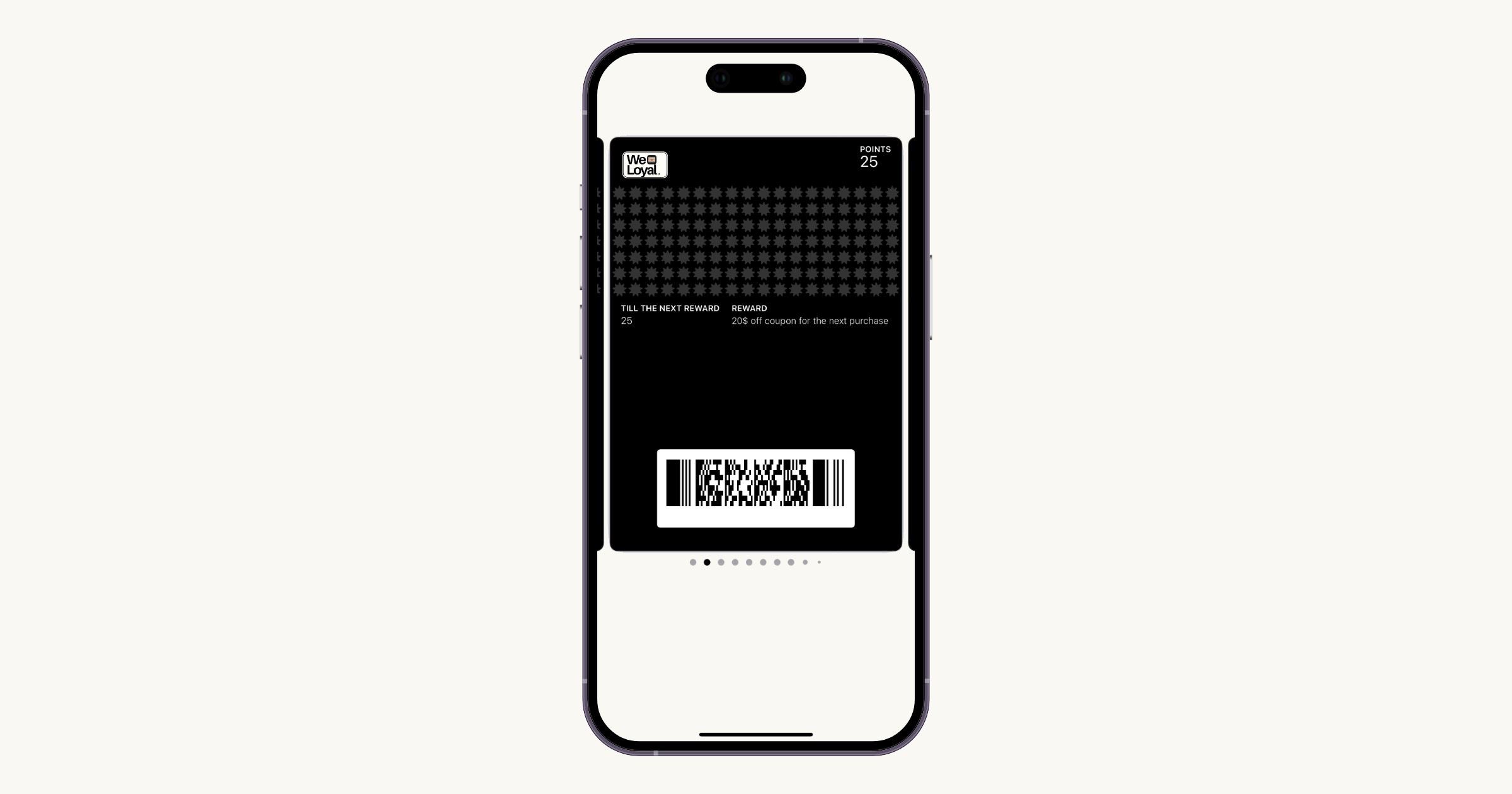
The Reward Card: One Points System, Built to Bend Around Your Business
The most flexible WeLoyal card type: a points system you can tie to spend, visits, or manual actions, and reshape later without losing customers.
Digital Loyalty Cards for Beauty Salons: Rewarding Your Best Clients and Filling the Chair on Slow Days
How WeLoyal helps beauty salons reward clients by what they spend, sell prepaid treatment packages, and turn gift purchases into new clients across a wide range of services.
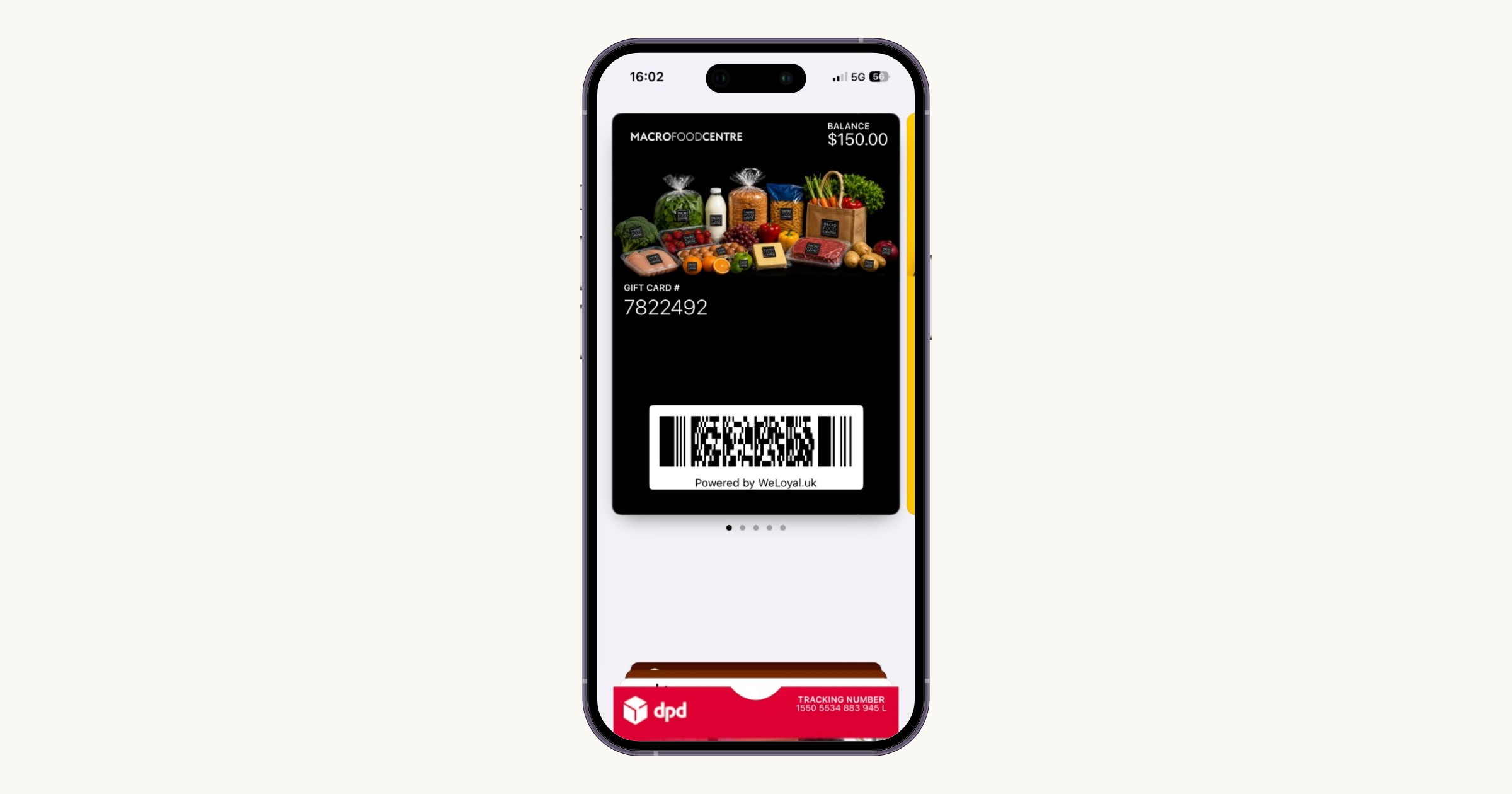
The Gift Card: Turning a Present Into a New Customer
WeLoyal digital gift cards let one person buy a prepaid balance and send it to someone else, installed straight into Apple Wallet or Google Wallet.