Case Study: How a Neighborhood Coffee Shop Increased Repeat Visits With a Digital Loyalty Card
A detailed, realistic example of how an independent coffee shop moved from a paper punch card to a WeLoyal digital stamp card, and what changed in the months that followed.
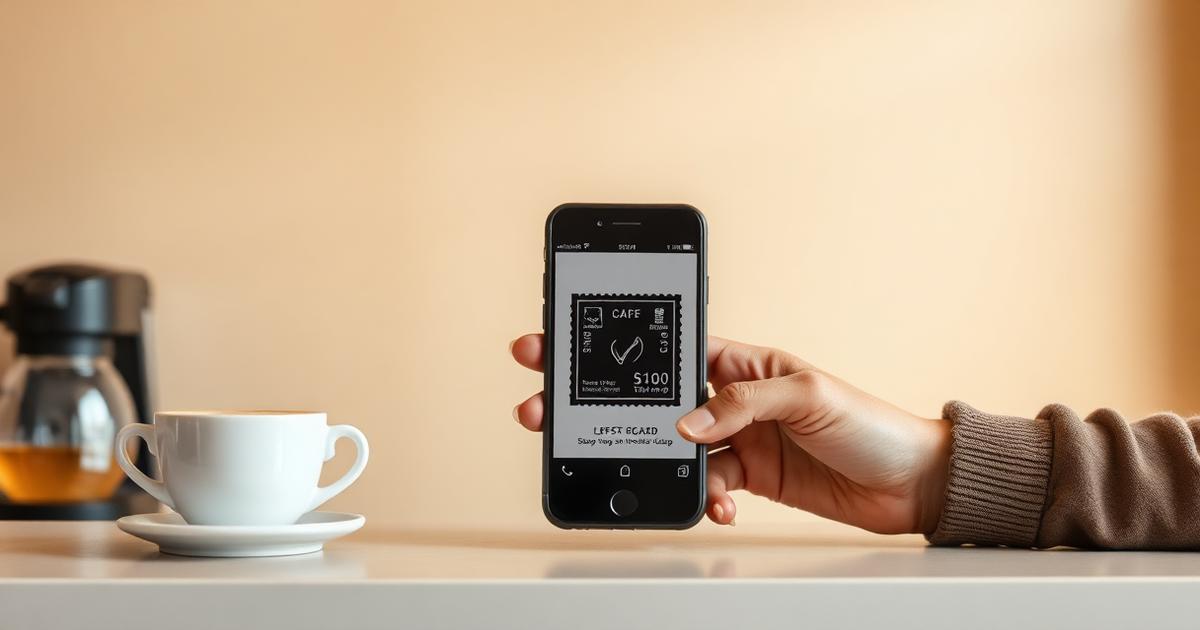
WeLoyal is a digital loyalty card platform built to turn occasional customers into genuine regulars, using unlimited push notifications, geo-located alerts, and automatic customer segmentation to keep a business consistently on a customer's radar without any manual follow-up work. Rather than describing features in the abstract, this post walks through a realistic, detailed example of how a small, independent coffee shop actually implemented a digital loyalty program, what decisions they made along the way, and what changed in the months that followed.
The starting point
The shop in question had been running a paper punch card for a couple of years, the familiar buy nine coffees, get the tenth free format. It worked, to a point, but the owner had a nagging sense that a meaningful share of the cards being handed out never made it back to a tenth stamp. Customers would collect four or five stamps and then the card would simply disappear, left in a coat pocket, thrown out with a receipt, or just forgotten about entirely. There was no way to know how many cards were actively in circulation, no way to reach a customer who'd started drifting away, and absolutely no data on who the shop's actual most loyal customers were beyond the staff's own memory of familiar faces.
Choosing the card type
Because the shop's core transaction was simple and repeatable, most customers buying broadly the same handful of drinks each visit, a stamp card remained the obvious mechanic to keep. The change wasn't in what customers were being asked to do, buy a set number of drinks, get the next one free, it was in moving that exact same mechanic from a strip of cardboard into a digital wallet card, along with everything that unlocked from there.
Setting it up
The shop kept the reward structure identical to their old paper card, ten stamps, one free drink, to avoid confusing existing regulars with a totally different system. They added a small welcome bonus, one free stamp for anyone installing the card for the first time, as a simple incentive to get people to actually make the switch from the paper version they'd been using. They enabled a birthday bonus, an automatic stamp and a small notification on a customer's birthday, something the paper card had never been able to do. And they set their own storefront as a geo-located notification trigger, meaning any customer with the card installed who walked within range of the shop would automatically receive a relevant notification, without staff needing to send anything manually.
Getting customers to actually switch
The transition happened gradually rather than all at once. A QR code went up at the register with a small sign explaining the switch, and staff mentioned it briefly to regular customers as they rang up orders, framing it simply as "the same deal, but it can't get lost now." New customers were offered the digital card by default going forward, while existing paper card holders were given a few weeks' grace period to finish out their current card before the paper version was phased out entirely.
What started happening once it was live
Within the first month, the shop noticed something the old paper system had never been able to show them directly, exactly how many active loyalty members they actually had, and exactly how many stamps away from a reward each of them currently sat. This alone was new information. But the more meaningful shift came from the automated messaging running quietly in the background. The RFM-based segmentation built into the card began sorting customers automatically, and within a few weeks, a clear pattern emerged, a noticeable group of customers who'd installed the card early and then simply hadn't been back in over three weeks, a gap that, based on their own prior visiting pattern, was genuinely unusual for them.
An automated win-back message went out to exactly that group, a simple, warm nudge mentioning it had been a while, paired with a small bonus stamp as an incentive to return. A meaningful share of that specific group came back within the following two weeks, several of them mentioning to staff, unprompted, that the reminder was what actually got them back in the door that particular day rather than another café closer to their new office.
The geo-located notifications in practice
The location-based trigger turned out to be one of the more quietly effective pieces of the whole setup. Staff began noticing occasional customers who hadn't been in for a while suddenly appearing, mentioning they'd gotten a notification while walking past on their way somewhere else and decided to pop in on impulse. This wasn't something the shop had to actively manage or send, it simply ran continuously in the background, catching moments of genuine, practical opportunity that a scheduled email or a generic social media post could never have timed as precisely.
What the numbers looked like after a few months
By the time the shop had been running the digital card for a full quarter, the picture visible in the dashboard was considerably clearer than anything the paper system had ever offered. They could see exactly how many customers were actively engaged versus how many had installed the card and gone quiet. They could see their genuine top spenders by actual lifetime value rather than by staff memory alone, several of whom turned out to be quieter, less immediately memorable regulars the owner hadn't necessarily thought of as "top customers" before seeing the real numbers. And critically, the redemption rate, the share of customers who actually made it all the way to a free coffee rather than abandoning partway through, was noticeably higher than what the shop estimated their old paper card had ever achieved, a direct result of stamps simply no longer being something a customer could accidentally lose.
What the owner would tell another business considering the same move
The most common piece of feedback from the shop owner, reflecting on the change, was that the value wasn't really in any single feature working in isolation, it was in the combination running together without requiring ongoing manual effort. The card didn't need someone remembering to check who'd gone quiet and manually texting them, the system caught that automatically. It didn't need someone standing by the door hoping a regular happened to walk past at the right moment, the geo-located notification handled that timing on its own. And it didn't need the owner guessing at who their real regulars were, the dashboard simply showed them, in specific, verifiable numbers, rather than an impression built on memory alone.
At a glance: what changed
Before:
- No visibility into how many loyalty cards were actually in circulation
- No way to reach customers who'd started drifting away
- Stamps lost permanently whenever a physical card was lost or damaged
- Top customers identified by staff memory rather than real data
After:
- Full visibility into active membership and individual stamp progress
- Automated win-back messaging reaching customers who'd genuinely gone quiet
- Geo-located notifications bringing back customers walking past unprompted
- A clear, data-backed picture of actual top customers by lifetime value
- A noticeably higher share of customers completing their card and redeeming a reward
Read more
The Stamp Card: Why the Oldest Loyalty Trick Still Works Best
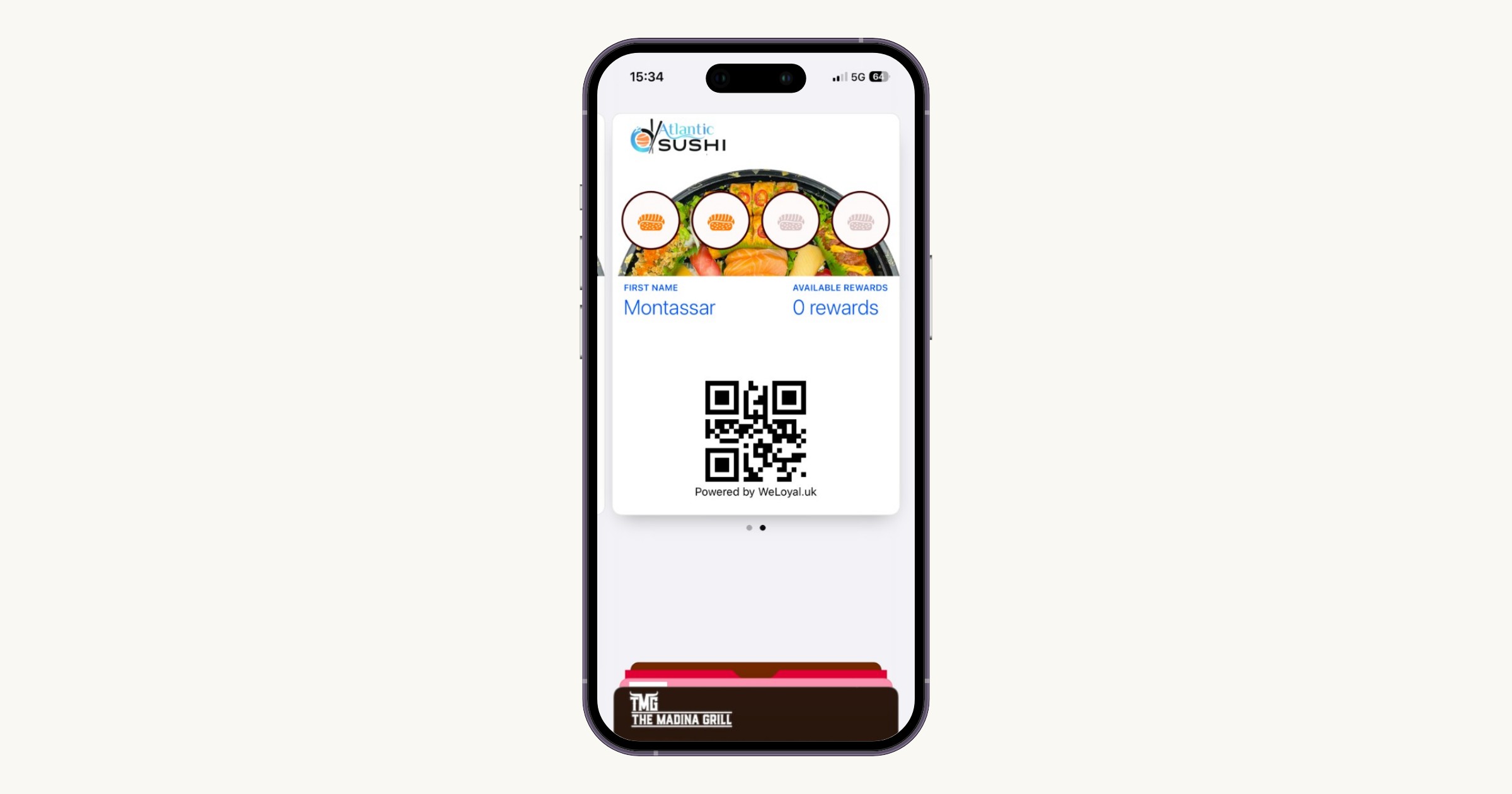
How WeLoyal digital stamp cards work: buy-x-get-one-free rewards in Apple Wallet and Google Wallet, with expiring stamps, referrals, and push notifications.
Digital Loyalty Cards for Beauty Salons: Rewarding Your Best Clients and Filling the Chair on Slow Days
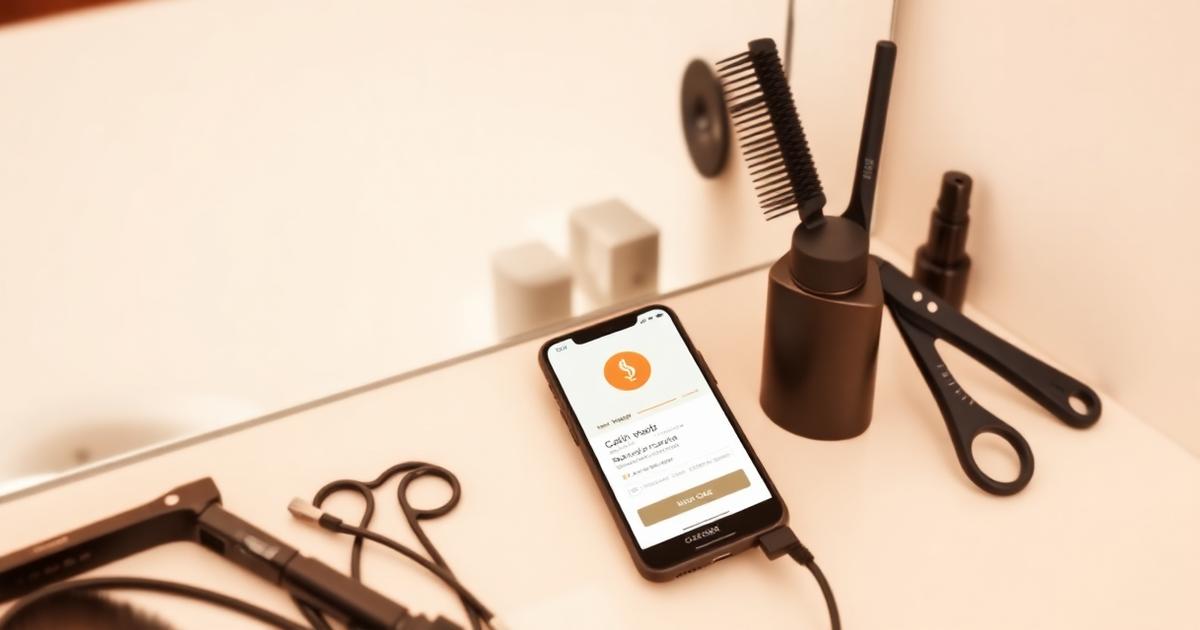
How WeLoyal helps beauty salons reward clients by what they spend, sell prepaid treatment packages, and turn gift purchases into new clients across a wide range of services.
Digital Loyalty Cards for Chiropractors: Keeping Patients on Their Treatment Plan
How WeLoyal helps chiropractic and physical therapy practices keep patients consistent with treatment plans, collect for packages upfront, and follow up with drop-offs.