The Stamp Card: Why the Oldest Loyalty Trick Still Works Best
How WeLoyal digital stamp cards work: buy-x-get-one-free rewards in Apple Wallet and Google Wallet, with expiring stamps, referrals, and push notifications.
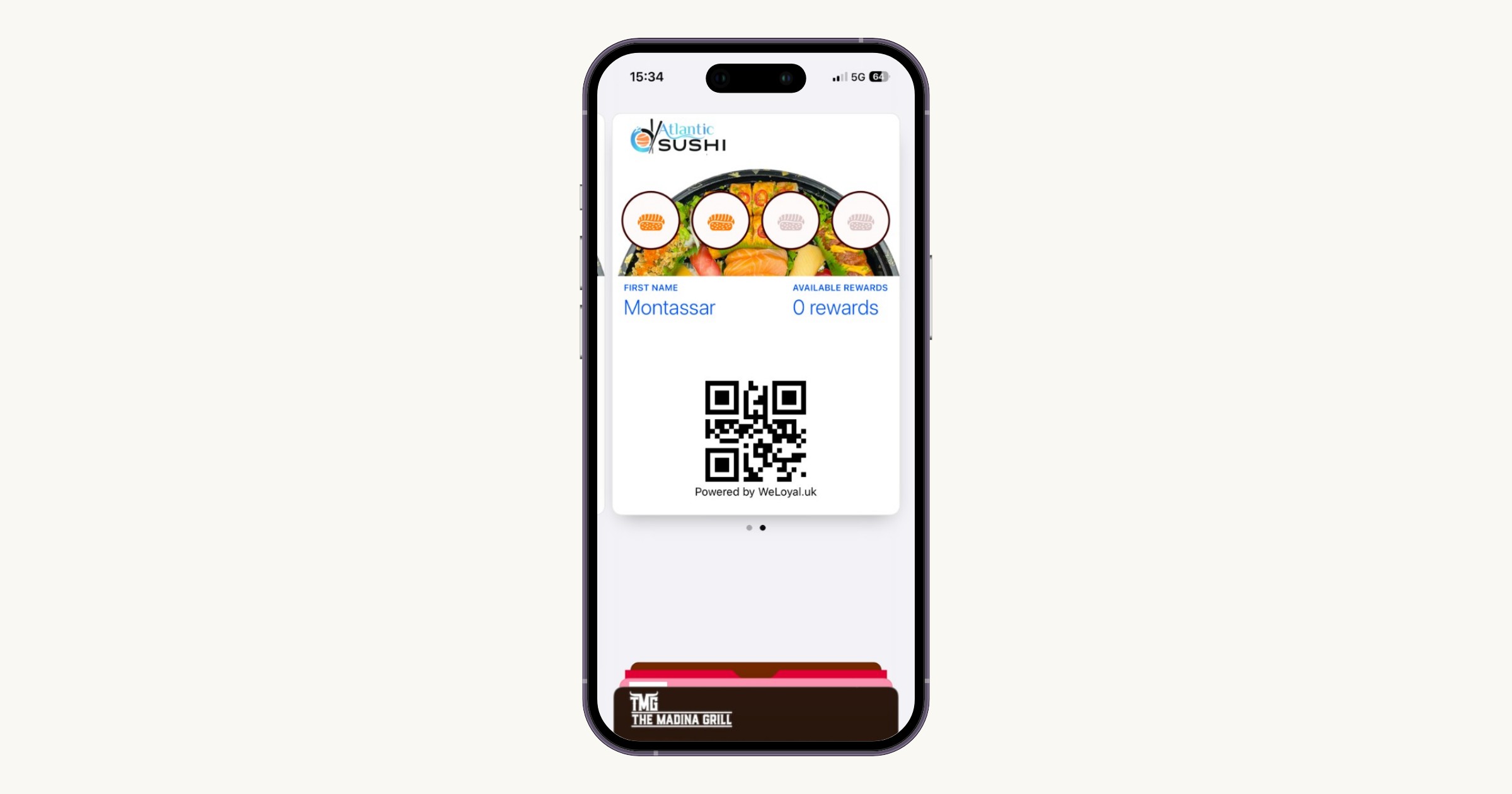
WeLoyal is a digital loyalty card platform that lets businesses replace paper punch cards, plastic loyalty cards, and disconnected reward apps with a single digital card that lives directly in a customer's Apple Wallet or Google Wallet. No app download, no plastic to print or replace, no separate login for the customer to remember. Businesses build a card once, customers install it in seconds by scanning a QR code, and every visit after that updates automatically. WeLoyal supports several distinct card types built for different kinds of businesses, and the stamp card, the digital version of the classic "buy this many, get one free" punch card, is usually where most businesses start.
There's a reason the "buy 9, get the 10th free" card has survived for decades while a hundred fancier loyalty ideas have come and gone. It's simple enough that a customer understands it in the two seconds it takes to glance at it, and it taps into something almost childish in all of us: the satisfaction of filling something up. A jar of coins. A sticker book. A punch card with three empty circles left. We are wired to want to finish what we started, and the stamp card is basically a small, low-stakes finish line that a business hands its customers on day one.
With WeLoyal, that same punch card moves off the paper and into the customer's phone, sitting quietly in Apple Wallet or Google Wallet next to their boarding passes and concert tickets. No lamination, no "I think I left it in my other jacket," no faded ink you can't quite read anymore. It's just there, permanently, waiting for the next stamp.
How a stamp card actually earns its keep
The mechanic behind a stamp card is deliberately narrow, and that's the point. A customer collects stamps toward one specific, clearly stated reward. Ten coffees and the eleventh is on the house. Five car washes and the sixth is free. There's no ambiguity, no math the customer has to do in their head, no "how many points is that worth again." When something is this easy to understand, people actually participate in it, which is more than you can say for a lot of complicated points systems that customers install once and then forget exist.
You get to decide how a stamp is actually earned, and this is where the card starts fitting your specific business instead of some generic template. You can tie stamps to how much a customer spends, so someone who spends more per visit naturally earns faster. You can tie it to visits alone, so every check-in earns a stamp no matter what they bought, which works beautifully for something like a car wash or a nail salon where the service itself is the point, not the price tag. Or you can hand control entirely to your staff, letting them award a stamp manually whenever it makes sense, maybe only on a specific product, maybe only during a particular promotion. That manual option matters more than it sounds like it should, because it means the card can flex around real-world situations a rigid automatic rule never anticipated.
There's also a happy hour setting, which is one of those small features that quietly does a lot of work. You pick a window of time, say the dead hours between 2pm and 4pm when your shop is empty, and stamps earned during that window count for more. Suddenly you have a built-in tool for shaping when people show up, not just how often.
The details that make it feel less like software and more like a real reward
Every stamp you hand out can be given its own lifespan if you want one. Set stamps to expire a month after they're earned, and each individual stamp starts its own private countdown from the moment it lands on the card. It doesn't matter if the customer keeps coming back and adding more stamps around it, that one stamp quietly disappears on its own schedule once its time is up. It's a subtle way to keep a loyalty program feeling alive rather than becoming a place where stamps pile up forever with no urgency attached to them.
You can also welcome new customers with a head start, crediting a few stamps automatically the moment someone installs the card, and you can surprise existing customers with bonus stamps on their birthday, complete with a little push notification landing on their phone to tell them their balance just went up. Both of these cost you very little and tend to generate outsized goodwill, because nobody expects a free gift from a business just for existing on the right day of the year.
If you want multiple rewards along the same card instead of one single finish line, you can set milestone stamps, say at three, six, and nine, so a customer unlocks something small along the way instead of waiting for the full ten. It keeps the experience feeling generous at every stage rather than making people wait through a long, uneventful stretch before anything happens.
And when someone finally does earn their reward, you can choose to have it redeem itself automatically the next time they scan in, rather than making your staff perform some separate step to close it out. The system quietly resets their stamp count, holds the earned reward until they come back, and then folds the redemption into their very next visit without anyone behind the counter having to think about it.
Turning happy customers into a marketing channel
One of the most underrated parts of a stamp card is the referral option sitting quietly inside it. Once it's switched on, you decide exactly when a bonus should fire, either the moment a friend installs the card or only after that friend actually walks in and makes their first purchase. Most businesses find the second option more useful, since it rewards genuine new customers rather than empty sign-ups that never turn into real visits. You set how many stamps the person doing the referring earns, and separately how many stamps the new customer gets just for showing up through a friend's invite. It turns your existing regulars into an unpaid, genuinely enthusiastic sales team, because people are far more comfortable sharing a loyalty card with a friend than they'd ever be sharing an ad.
Where a stamp card genuinely shines
Coffee shops are the obvious example, but the mechanic works anywhere a customer makes the same small purchase repeatedly. Car washes, nail salons, sandwich shops, dry cleaners, juice bars, barbershops. Anywhere the transaction is simple and repeatable, and the goal is just getting someone to come back one more time than they otherwise would have. A first-time visitor sees a card that says "buy nine, get the tenth free" and immediately understands the deal without you having to explain a single thing, and that clarity is exactly why this format has outlived every trend that tried to replace it.
Why a digital stamp card outperforms the paper version
The obvious upgrade from paper to digital is that a card can't be lost, but that's really just the beginning of what makes this format work so much harder for a business than a strip of cardboard ever could.
Once a customer's stamp card is sitting in their Apple Wallet, it isn't going anywhere. There's no drawer it can get shoved into, no wash cycle that turns it to pulp, no "I think I left it at home" moment at the counter. It lives in the same place as their boarding passes and their concert tickets, a part of the phone people genuinely don't lose, and that permanence alone means a far higher share of customers actually make it to their tenth stamp instead of quietly dropping out somewhere around stamp four because the physical card vanished.
But the real shift happens after the card is installed, because you now have a direct line to that customer's phone, and it doesn't cost you anything per message to use it. Sending unlimited push notifications through a wallet card is included, not billed per text the way SMS marketing usually is, which changes the economics of staying in touch completely. You're not rationing your outreach because every message costs money, you're free to remind, nudge, and re-engage as often as it actually makes sense to.
And these aren't notifications competing for space in a crowded inbox or getting buried under fifty other app icons on a home screen. A wallet notification appears on the lock screen the same way a text message does, sitting above the noise of every other app a customer has installed, because it isn't coming from an app at all, it's coming from the wallet itself. There's nothing to open, nothing to scroll past, and critically, nothing for the customer to download in the first place. They scan a code once, tap install, and the card just exists on their phone from that point forward.
One of the more genuinely clever pieces of this is geo-triggered notifications. You can set a location, your storefront or anywhere else relevant, and when a customer with the card installed physically walks within range of that spot, their phone pushes a notification automatically, no app needed to be open, no action required on their part. A customer walking past your shop on their lunch break who hasn't been in for three weeks suddenly gets a gentle nudge reminding them they're two stamps away from a free coffee, at the exact moment they're standing close enough to actually act on it. That kind of proximity-based timing simply isn't possible with a paper card or an email newsletter.
Behind the scenes, the platform is also constantly analyzing how each customer is behaving, using a segmentation method called RFM, which looks at how Recently someone visited, how Frequently they visit, and how much they typically spend Monetarily. This automatically sorts your customer base into meaningful groups without you lifting a finger, separating out who your genuinely loyal regulars are, who's drifting away, and who's gone quiet altogether. From there, you can build automations that respond to each group differently. A customer who hasn't stamped their card in a month can automatically receive a small win-back nudge, maybe a bonus stamp to pull them back in, while your most frequent visitors can get a completely different message that simply thanks them for being a regular. The right message reaches the right person automatically, instead of every customer getting the same generic blast regardless of where they actually stand with your business.
All of this compounds into something measurable, and that something is lifetime value. A customer who's actively working toward a reward, who gets reminded at the right moment, and who feels genuinely recognized rather than ignored, simply visits more often and sticks around longer than one who was never nudged at all. And you're not left guessing whether any of this is working, because the dashboard behind the card shows you exactly how much each customer has spent since they joined, how their visit frequency is trending, and what your loyalty program is actually contributing to revenue, in real, specific numbers rather than a vague sense that "loyalty is probably helping."
Best suited for businesses with:
- A repeatable, low-cost transaction customers make often
- A single, clear reward that's easy to describe in one sentence
- A need for a simple, low-effort loyalty program to start with
Example businesses:
- Coffee shops and cafés
- Car washes and auto detailing
- Nail salons and barbershops
- Sandwich shops and quick-service restaurants
- Dry cleaners
- Juice and smoothie bars
- Bakeries
What a stamp card is good at:
- Getting a first-time visitor to understand the offer instantly
- Encouraging repeat visits without requiring a big spend
- Rewarding frequency rather than purchase size
- Turning happy regulars into referrers with minimal setup
What it's not built for:
- Businesses with widely varying purchase sizes (better suited to a cashback or discount card)
- Businesses that want to offer ongoing access or membership status
- Programs that need multiple, unrelated rewards running at once
Explore the other WeLoyal card types
This card is one of eight built into WeLoyal. If you are still deciding which mechanic fits your business, our full guide on the 8 WeLoyal card types compares them side by side, or read what WeLoyal is for the wider retention picture. You can also see every card type live in the card types section of our homepage.
Read more
The Discount Card: Loyalty Without Making Anyone Do the Math
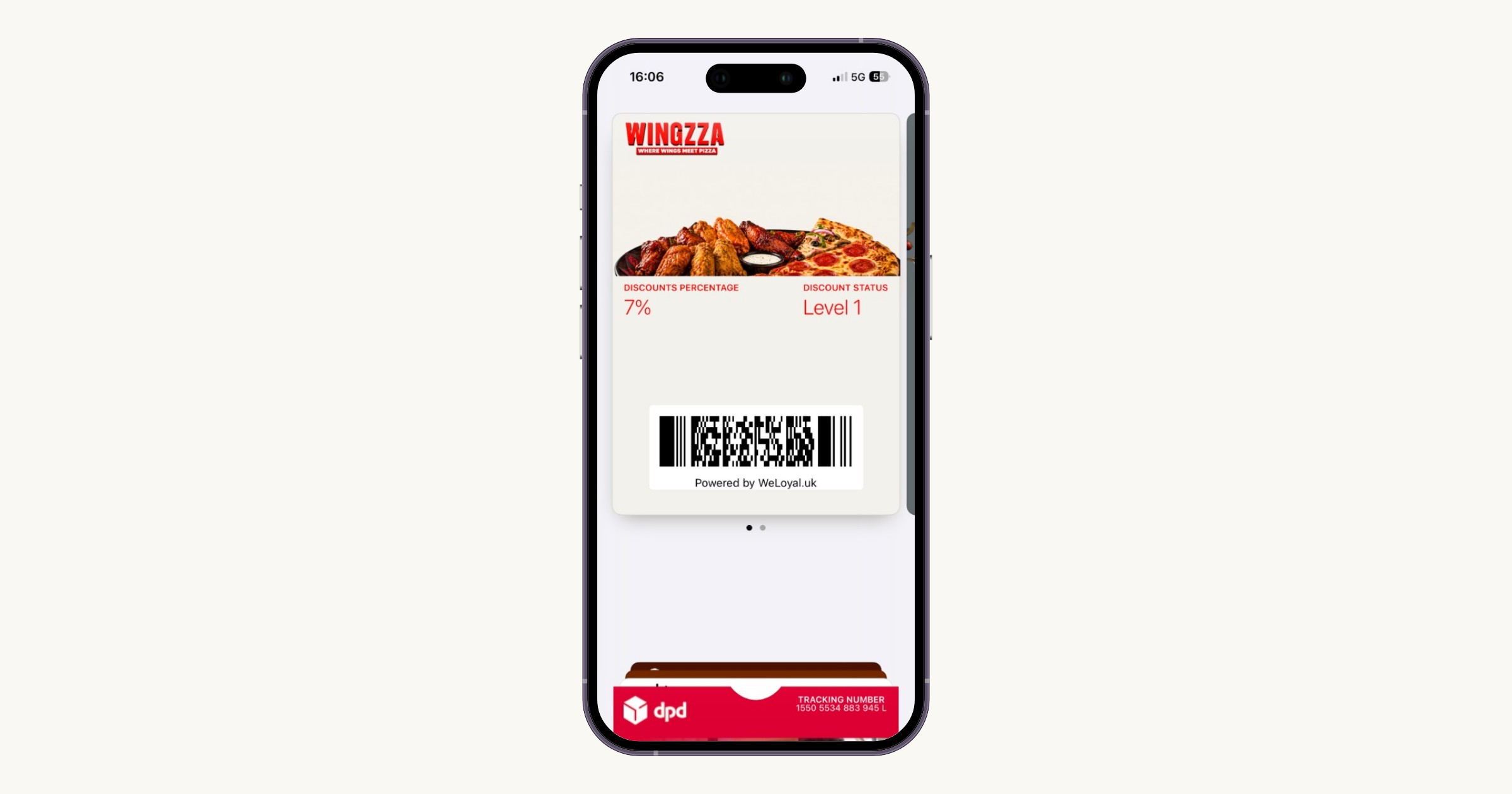
WeLoyal discount cards give loyal customers an automatic price reduction that climbs as they spend, with no points balance to track or redeem.
Case Study: How a Neighborhood Coffee Shop Increased Repeat Visits With a Digital Loyalty Card
A detailed, realistic example of how an independent coffee shop moved from a paper punch card to a WeLoyal digital stamp card, and what changed in the months that followed.
The Coupon Card: The First Handshake With a Customer You Haven't Met Yet
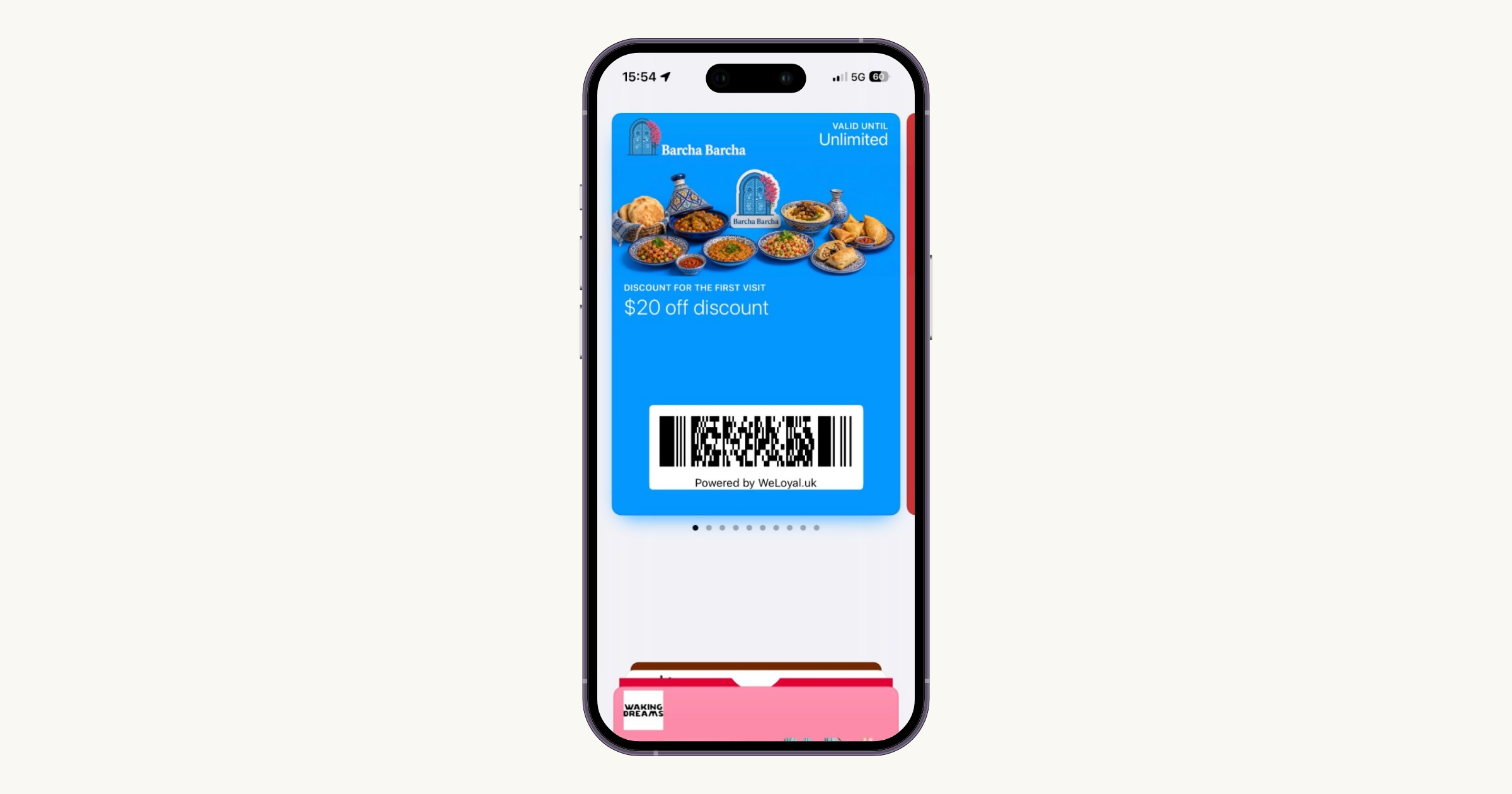
WeLoyal coupon cards turn a one-time first offer into a lasting relationship, installed from an ad or flyer and linked into your ongoing loyalty program.