How to Win Back Sleeping Customers Automatically: Re-Engagement Campaigns Explained
How automated re-engagement identifies customers who have quietly stopped visiting and wins them back with timely, targeted messaging.

WeLoyal is a digital loyalty card platform built to automatically identify customers who have quietly stopped visiting and re-engage them with targeted, timely messaging, without a business owner having to manually track who's gone quiet or remember to follow up. Every business with repeat customers eventually loses some of them not through a dramatic falling out, but through simple, silent drift, someone who used to visit every couple of weeks who just... stops, without ever announcing it or explaining why. This post looks specifically at how automated re-engagement actually works, why silent drift is one of the most fixable problems in a customer base, and what a real win-back flow looks like from start to finish.
Why sleeping customers are the most overlooked opportunity in most businesses
New customer acquisition tends to get the vast majority of a business's marketing attention and budget, running ads, offering first-visit discounts, chasing the next new face through the door. Meanwhile, a business's own existing customer base quietly accumulates people who used to be regulars and simply aren't anymore, and this group typically gets almost no attention at all, because unlike a customer who explicitly cancels a subscription or leaves a bad review, a sleeping customer doesn't do anything dramatic. They just stop showing up, and without a system actively watching for that pattern, a business genuinely has no way of noticing until long after the relationship has already gone cold.
This matters because winning back a sleeping customer is, in almost every case, considerably cheaper and more effective than acquiring a brand new one. A sleeping customer already knows the business, already liked it enough to visit repeatedly in the past, and already has a card sitting in their phone's wallet. All that's usually needed is the right nudge at the right moment, not an entirely new relationship built from scratch the way acquiring a stranger requires.
How a customer actually gets identified as "sleeping" in the first place
This detection happens through the same RFM-based segmentation running quietly behind every loyalty card, tracking how Recently, how Frequently, and how much each customer typically engages with the business. A customer doesn't get labeled as sleeping based on some arbitrary fixed rule like "hasn't visited in thirty days" applied identically to everyone, because that same thirty-day gap means something completely different depending on the customer's own normal pattern. A customer who historically visited multiple times a week going quiet for two weeks represents a meaningful, clear deviation worth acting on quickly. A customer who's only ever visited once every couple of months anyway going quiet for the same two weeks is simply behaving normally and shouldn't be treated as a red flag at all.
Because the segmentation is built around each customer's own historical behavior rather than one blanket rule, the system catches genuine drift early and accurately, flagging people right around the point where they're starting to disengage rather than only much later once the relationship has already gone fully cold, or worse, flagging people who were never disengaged to begin with and annoying them with an unnecessary "we miss you" message that doesn't match their actual behavior at all.
What an automated win-back message actually looks like
Once a customer is flagged as drifting or fully lapsed, an automated message can fire without a business owner having to notice the pattern themselves or manually decide to send anything. The message itself can be tailored to the situation, sometimes a simple, warm reminder that the business exists and misses them, sometimes paired with a specific incentive designed to make returning feel worthwhile, a bonus stamp, a small discount, or a reminder of exactly how close they are to an existing reward they haven't come back to claim.
Timing matters just as much as the message itself here, which is where combining this with geo-located notifications becomes particularly effective. Rather than a win-back message landing at a random hour while the customer is nowhere near the business, it can be configured to fire specifically once that flagged customer physically walks near the location again, catching them at the exact moment returning requires the least possible effort, simply stepping through a door they're already standing near.
Why this needs to be gentle, not aggressive
There's a meaningful difference between a well-designed re-engagement message and something that reads as desperate or pushy, and getting this balance right matters for how a customer perceives the business afterward. A single, warm, well-timed nudge acknowledging it's been a while and offering something genuinely worth returning for tends to land well. A barrage of aggressive, frequent messages chasing a customer who's clearly moved on for good tends to do the opposite, actively pushing someone toward uninstalling the card entirely rather than winning them back. Because notifications through a wallet card cost nothing extra to send, it's worth being deliberate about frequency and tone specifically for this segment, using the freedom that unlimited notifications provide thoughtfully rather than simply because the option exists.
Balancing win-back campaigns with rewarding the customers who never left
A genuinely well-run loyalty program doesn't only pay attention to the customers who've drifted away, it simultaneously recognizes and reinforces the relationship with customers who never stopped showing up in the first place. This is really the other side of the same segmentation system, a customer who's visited weekly without fail for months deserves a fundamentally different kind of message than one who's gone quiet, something that reflects genuine appreciation rather than a generic thank you, maybe early access to a new offering, a small surprise bonus, or simple public recognition of their status if the loyalty program includes tiers. Running both sides of this simultaneously, quietly winning back the ones who've drifted while actively reinforcing the ones who never did, is what separates a loyalty program that genuinely grows lifetime value across an entire customer base from one that only ever talks to whoever happens to be paying attention that week.
What the results of a well-run win-back flow tend to look like
Businesses running automated re-engagement typically see a meaningful share of flagged, drifting customers return within a short window of receiving a well-timed nudge, customers who, without any intervention at all, would very likely have continued drifting until they fully disengaged and eventually forgot the business existed altogether. Because none of this requires manual effort once it's configured, the entire process runs continuously in the background, catching new customers as they start to drift, month after month, without a business owner ever needing to personally notice the pattern or remember to follow up.
At a glance: what an automated re-engagement flow includes
Detection:
- RFM-based segmentation flags customers drifting from their own normal pattern
- Detection is personalized per customer, not a single fixed rule for everyone
- Catches early drift, not just fully cold relationships
The message itself:
- Warm, non-aggressive tone
- Often paired with a small incentive to make returning worthwhile
- Can reference specific progress, like an almost-complete stamp card
Timing:
- Can be combined with geo-located notifications for maximum relevance
- Fires automatically without a business owner tracking anything manually
The other half of the system:
- Loyal, consistently engaged customers get recognized and rewarded automatically too
- Both sides run simultaneously, protecting the whole customer base, not just the at-risk portion
Read more
Customer Lifetime Value: What It Means and How a Loyalty Program Actually Increases It
What customer lifetime value means, why it matters more than any single visit, and exactly how a digital loyalty program moves that number in the right direction.
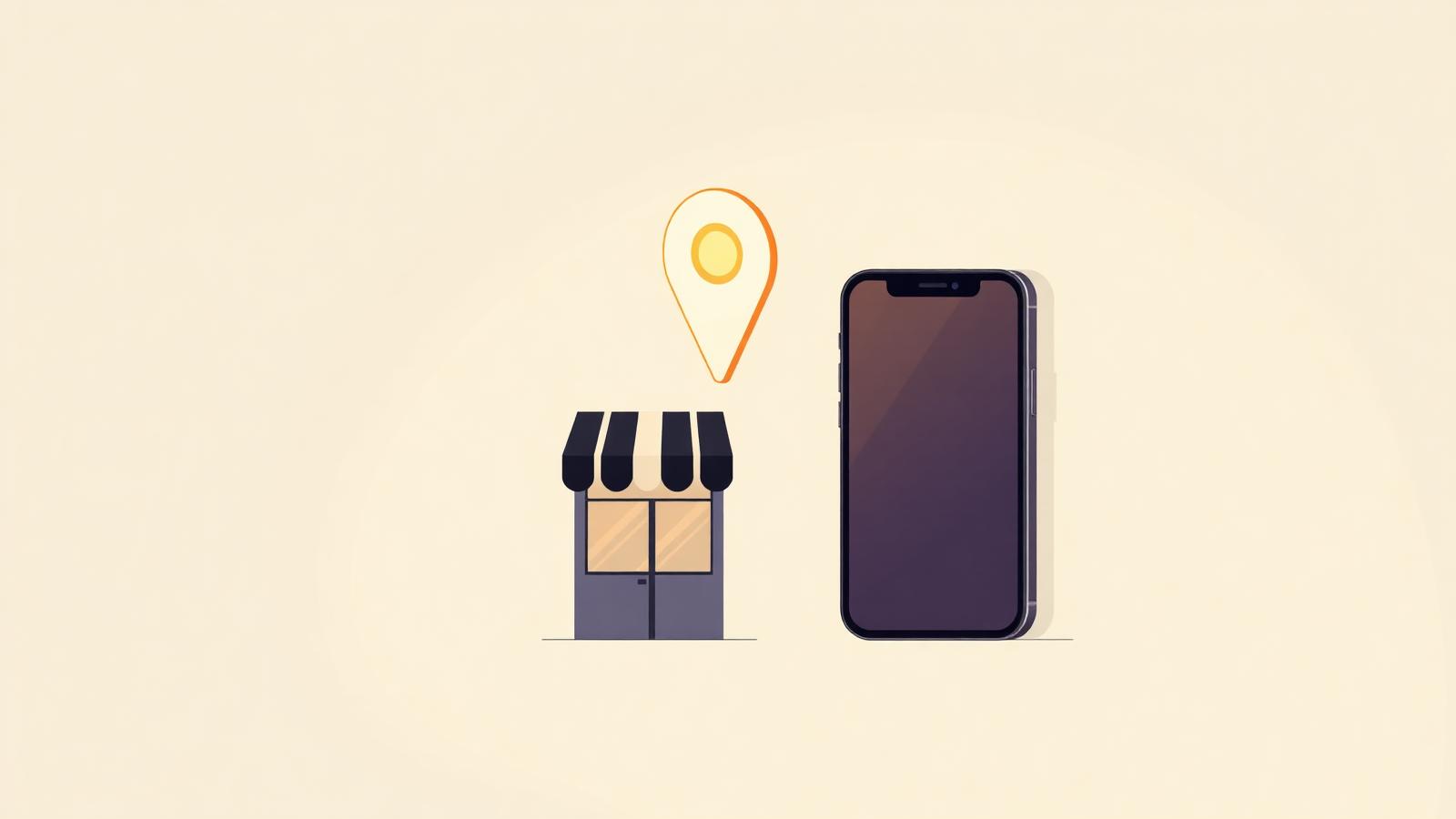
Geo-Located Push Notifications Explained: Reaching Customers the Moment They're Nearby
How geo-located push notifications on a digital loyalty card fire automatically when a customer walks nearby, and why the timing beats any scheduled message.
How Push Notifications Work on a Digital Wallet Card, and Why They're Free and Unlimited
How wallet push notifications work on a digital loyalty card, why they cost nothing to send in unlimited volume, and why they outperform SMS and app alerts.