Digital Loyalty Cards vs Punch Cards vs Loyalty Apps: Which Is Actually Better
An honest comparison of paper punch cards, dedicated loyalty apps, and digital wallet cards across cost, participation, data, and staying power.
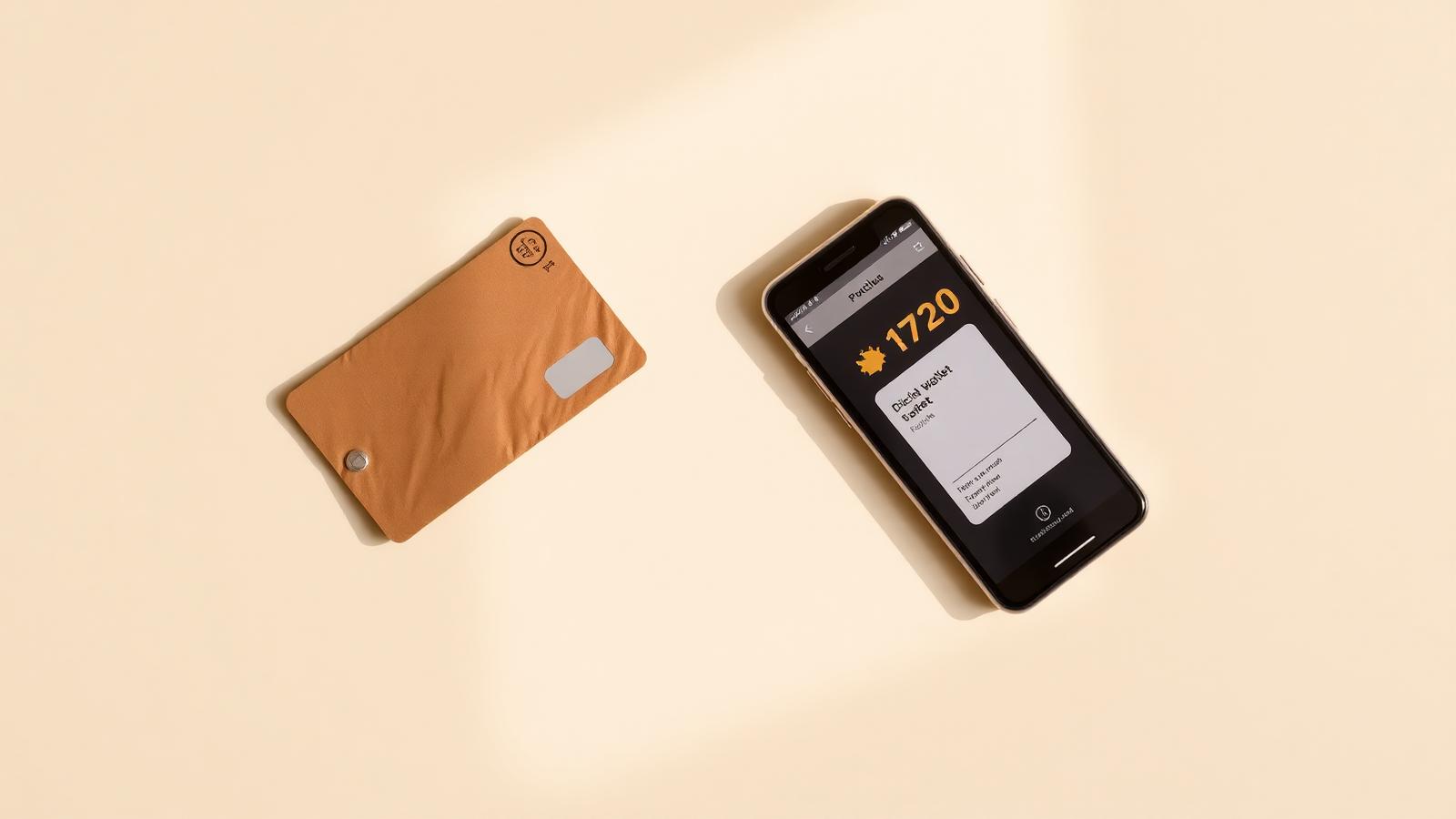
WeLoyal is a digital loyalty card platform built to give businesses the reach and intelligence of a proper loyalty app without any of the friction that normally comes with one, delivering cards straight into a customer's Apple Wallet or Google Wallet instead of a separate download. Any business owner researching loyalty programs eventually lands on the same decision, stick with something simple like a paper punch card, invest in a dedicated loyalty app, or move to a digital wallet card instead. This post lays out exactly how these three options actually compare, honestly, across the things that actually determine whether a loyalty program gets used or quietly dies within a few months.
The paper punch card: cheap to start, expensive in what it loses
A paper punch card costs almost nothing to produce, a print run at a local shop, a hole punch or a stamp behind the counter, and it's live the same day. For a very small, very early-stage business, that low barrier to entry is genuinely appealing. But the honest cost of a punch card isn't in the printing, it's in the participation rate, because a meaningful share of the customers who take one will lose it within a few weeks. Left in a coat pocket, thrown out with old receipts, forgotten at home on the one day they meant to bring it. Every lost card is a customer who was actively working toward a reward and simply stopped, not because they lost interest in the business, but because the physical object connecting them to the program disappeared.
Beyond the loss problem, a punch card is also completely silent. It cannot remind a customer to come back, cannot tell them how close they are to a reward, cannot notify them of a birthday bonus or a slow-Tuesday promotion. Whatever engagement happens is entirely dependent on the customer remembering the business exists and choosing to visit again unprompted. And a punch card generates zero data. A business has no way of knowing who its most loyal customers actually are, how often they visit, or what they typically spend, because none of that is ever recorded anywhere beyond the small holes on a strip of cardboard.
The dedicated loyalty app: powerful in theory, undermined by one enormous barrier
A standalone loyalty app solves several of the punch card's problems at once. It can't be physically lost, it can send notifications, and it can collect real data on customer behavior. On paper, it looks like the obvious upgrade.
In practice, the entire model runs into one barrier that quietly kills adoption before it starts, getting a customer to actually download the app. Every additional step between a customer wanting to join a loyalty program and actually being enrolled in it loses a percentage of people, and "go to the App Store, search for our app, download it, create an account, verify your email" is an enormous number of steps for what a customer perceives, correctly, as a minor convenience rather than something worth real effort. Most businesses that have tried running a dedicated app for loyalty purposes report the same pattern, a small number of highly engaged regulars download it, and the vast majority of otherwise loyal customers never do, meaning the program only ever reaches a fraction of the people it was built for.
There's also an ongoing cost problem baked into the app model that doesn't exist with a wallet card. An app needs to be maintained, updated for new phone operating systems, and kept working across an ever-changing landscape of devices, all of which sits squarely on the business or the loyalty provider to manage indefinitely.
The digital wallet card: the loyalty app's reach without the loyalty app's biggest weakness
A digital wallet card sits in a genuinely different position, because it removes the single biggest failure point of the app model while keeping essentially every advantage. Installation happens through the phone's own built-in wallet, the same "Add to Apple Wallet" or "Save to Google Wallet" action a customer has already used for a boarding pass or a concert ticket, meaning there's no app store, no account creation, and no separate password. A customer scans a QR code once, taps once, and the card exists on their phone permanently from that moment on.
Because it lives in the wallet rather than in a downloaded app, it also cannot be misplaced the way a paper card can, sitting in the exact same secure section of the phone as a boarding pass, a place people are conditioned not to lose things. And unlike the punch card, it's genuinely alive. A business can send that customer unlimited push notifications at no per-message cost, something neither a punch card nor most SMS-based systems can offer without a per-message bill quietly adding up. These notifications land directly on the lock screen, exactly like a text message, ahead of the pile of app notifications most people have already trained themselves to ignore, which matters because a notification nobody sees is functionally the same as no notification at all.
The intelligence layer goes further still. Every wallet card feeds into automatic customer segmentation using RFM analysis, sorting customers by how recently they visited, how frequently they return, and how much they typically spend, without a business owner manually tracking any of it. A customer who's gone quiet can automatically trigger a different message than a loyal weekly regular, each one receiving something genuinely relevant to where they stand, not a single generic blast sent to everyone regardless of their relationship with the business. Layer geo-located notifications on top, alerts that fire automatically the moment a customer physically walks near the business, and a wallet card ends up doing something neither a punch card nor most loyalty apps can manage, reaching the right customer with the right message at exactly the right moment, with zero manual effort required once it's set up.
Comparing the three side by side
Participation and adoption:
- Punch card: high initial pickup, high loss rate over time
- Loyalty app: low adoption due to the download barrier
- Digital wallet card: high adoption, no download required, installs in seconds
Ability to reach customers after the first visit:
- Punch card: none, entirely passive
- Loyalty app: possible, but only for the small percentage who downloaded it
- Digital wallet card: unlimited push notifications to every customer who installed the card
Cost to run:
- Punch card: cheap upfront, ongoing printing costs, no data returned
- Loyalty app: significant development and maintenance cost
- Digital wallet card: no printing, no app maintenance, built-in analytics included
Data and intelligence:
- Punch card: none
- Loyalty app: available, but only reflects the small subset of app users
- Digital wallet card: automatic segmentation and full visibility across every customer who installed the card
Durability:
- Punch card: easily lost or damaged
- Loyalty app: can't be physically lost, but can be deleted or ignored
- Digital wallet card: lives permanently in the same secure wallet space as boarding passes and tickets
The honest conclusion
A punch card still has a place for the smallest, most casual setups where a business genuinely isn't ready to think about loyalty as a real growth channel. A dedicated app makes sense only for businesses with the scale and budget to make the download barrier worth pushing through, typically national chains with enough brand recognition that customers actively seek the app out. For the vast majority of local and independent businesses, a digital wallet card sits in the sweet spot neither alternative reaches, all the reach and intelligence of a proper loyalty app, with none of the download friction that quietly caps how many customers an app-based program can ever actually enroll.
Read more
Customer Lifetime Value: What It Means and How a Loyalty Program Actually Increases It
What customer lifetime value means, why it matters more than any single visit, and exactly how a digital loyalty program moves that number in the right direction.

How to Win Back Sleeping Customers Automatically: Re-Engagement Campaigns Explained
How automated re-engagement identifies customers who have quietly stopped visiting and wins them back with timely, targeted messaging.
Geo-Located Push Notifications Explained: Reaching Customers the Moment They're Nearby
How geo-located push notifications on a digital loyalty card fire automatically when a customer walks nearby, and why the timing beats any scheduled message.