What Is a Digital Loyalty Card? The Complete Guide for Business Owners
A complete guide to digital loyalty cards: how they work in Apple Wallet and Google Wallet, why they beat punch cards and apps, and what they cost.
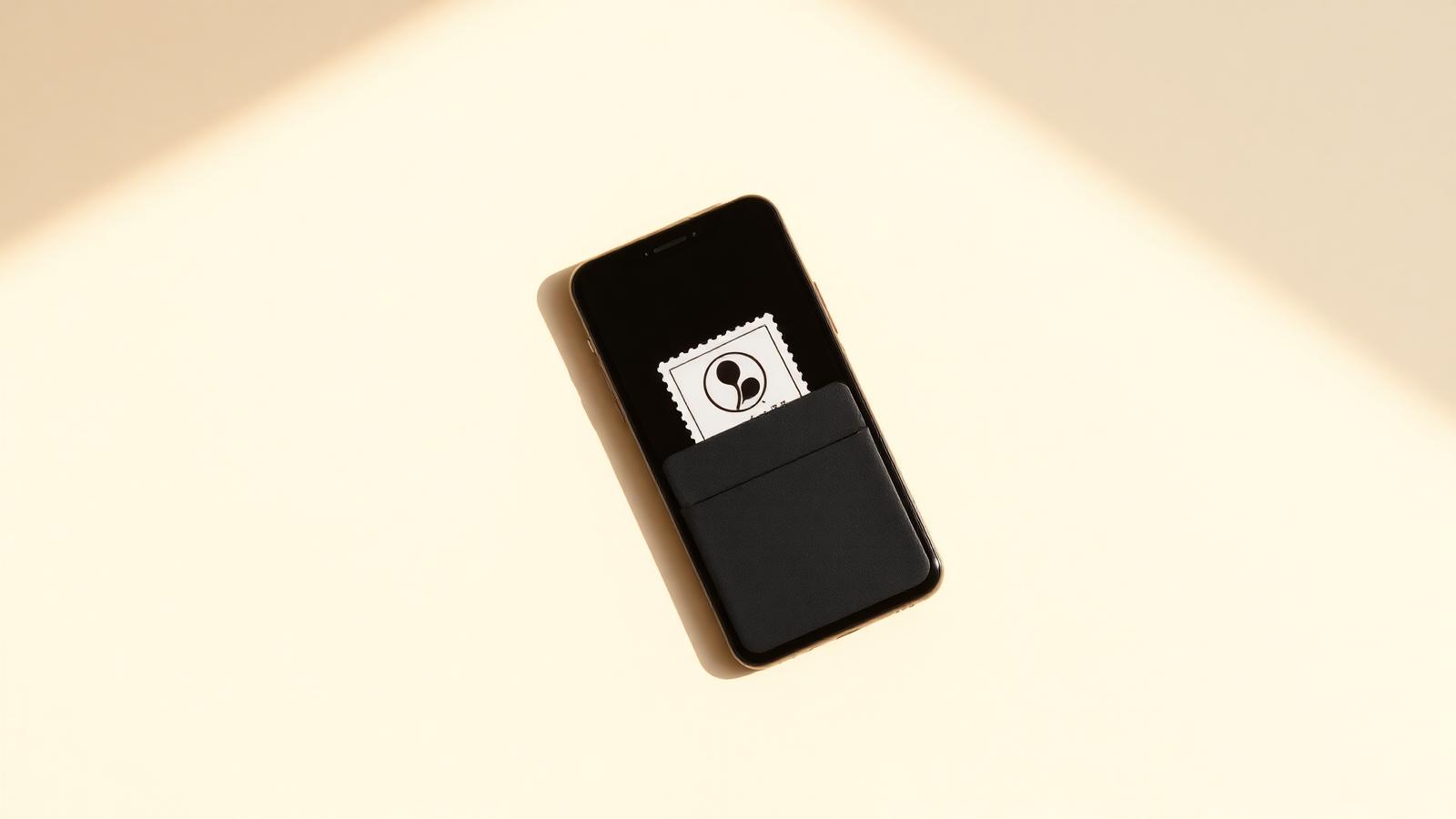
WeLoyal is a digital loyalty card platform that lets businesses run customer loyalty programs directly through Apple Wallet and Google Wallet, replacing paper punch cards, plastic loyalty cards, and separate loyalty apps with a single digital card that lives permanently on a customer's phone. No app download, no plastic to print or replace, no login for the customer to remember. A business builds a card once, a customer installs it in seconds by scanning a QR code, and from that point forward, every visit, every purchase, every reward updates automatically. This post exists to answer the question at the root of everything else on this site: what is a digital loyalty card, really, and how is it actually different from the loyalty tools most businesses have used for years.
Starting with the problem digital loyalty cards were built to solve
Every business that wants repeat customers eventually runs into the same three tools, and eventually runs into the same three sets of problems. Paper punch cards get lost, forgotten at home, or ruined in a wash cycle, and once a customer loses their card, most of them simply don't bother asking for a replacement, they just quietly stop participating. Plastic loyalty cards solve the durability problem slightly but introduce a new one, cost. Printing and issuing physical cards at any real scale costs real money, and customers still have to physically carry another card in an already crowded wallet, which is exactly the kind of small friction that determines whether a loyalty program actually gets used. And loyalty apps, the more modern answer, solve the durability and carrying problems but introduce arguably the biggest barrier of all, getting someone to actually download an app. Most customers, even ones who genuinely like a business, will not go through the App Store or Play Store for a coffee shop's loyalty app. The download step alone quietly kills the majority of loyalty program signups before they ever begin.
A digital loyalty card is the answer that sidesteps all three problems at once, by using something almost every smartphone owner already has sitting on their home screen and already trusts implicitly, their phone's built-in wallet.
What a digital loyalty card actually is, in plain terms
At its core, a digital loyalty card is a loyalty card, a stamp card, a points card, a membership card, whatever mechanic a business chooses, delivered as a file format that Apple Wallet and Google Wallet were originally built to hold boarding passes, event tickets, and payment cards. When a customer taps "add to wallet," the card doesn't download as a separate application. It installs the same way a plane ticket does, sitting permanently in the one part of their phone specifically designed to hold things people don't want to lose.
From the business side, nothing about running this requires technical skill. A card is built once, through a simple visual editor, choosing the mechanic, whether that's stamps, points, cashback, or a membership tier, the design, and the rules for how it's earned and redeemed. From there, distribution is as simple as printing a QR code on a counter, sharing an install link on social media, or texting it directly to a customer's phone. The customer scans or taps once, and the card is theirs, permanently, with zero further steps.
Why this format specifically outperforms the alternatives
The single biggest advantage of a wallet-based card over everything that came before it is that it simply does not get lost the way a paper or plastic card does. It lives in the same secure section of a phone as boarding passes, concert tickets, and payment cards, a place people are conditioned not to lose things, because losing a boarding pass means missing a flight. That same psychological weight carries over to a loyalty card sitting in the exact same place.
But permanence is really just the entry point into what makes this format genuinely powerful for a business, because once a card is installed, a business gains the ability to send that customer unlimited push notifications, at no per-message cost. This is a genuinely different economic model from SMS marketing, where every text sent costs money and businesses have to ration their outreach carefully. With a wallet card, there's no cost ceiling stopping a business from reminding, nudging, or re-engaging a customer as often as it actually makes sense to.
And these notifications land somewhere fundamentally different from a typical marketing message. A wallet push notification appears directly on the lock screen, exactly the way a text message does, ahead of the pile of app notifications most people have long since trained themselves to ignore or swipe away without reading. It isn't coming from an app fighting for attention among fifty others, it's coming from the wallet itself, one of the few places on a modern phone that still reliably gets a glance.
One of the more genuinely clever capabilities built on top of this is geo-located push notifications. A business can set a physical location, its storefront or anywhere else relevant, and when a customer with the card installed physically walks within range, their phone automatically triggers a notification, with zero manual sending required. A customer who hasn't visited in three weeks might get a gentle reminder about their stamp balance at the exact moment they're walking past on their lunch break, which is a level of timing no paper card, plastic card, or generic email newsletter can ever replicate.
Underneath all of this sits something even more powerful for businesses that want to move beyond generic mass messaging, automatic customer segmentation using a method called RFM analysis, which sorts every customer by how Recently they visited, how Frequently they come in, and how much they typically spend, or Monetary value. This segmentation happens automatically, without a business owner manually tagging or sorting anyone, and it opens the door to genuinely intelligent automation. A customer who's gone quiet can automatically receive a different message than a loyal regular who visits every week, each one getting something that actually reflects where they currently stand with the business, rather than every customer receiving the exact same generic blast regardless of their relationship with you.
The compounding result of getting all of this right is a measurable increase in customer lifetime value, the total amount a customer is worth to a business across their entire relationship, not just one visit. A customer who's reminded at the right moment, recognized for their loyalty, and gently pulled back in when they start to drift simply stays a customer longer and spends more over time than one who was never engaged with at all. And a business doesn't have to take any of this on faith, because the dashboard behind the card shows exactly how much revenue each customer and each segment is generating, in real, specific numbers rather than a vague sense that loyalty seems to help.
The different types of digital loyalty cards
Not every business needs the same mechanic, which is why digital loyalty cards aren't a single, one-size-fits-all format. A stamp card suits a business with a simple, repeatable transaction, buy this many, get one free. A cashback card suits a business where purchase amounts vary significantly and rewarding people proportionally to spend makes more sense. A discount card removes the points balance entirely and simply gives loyal customers an automatically better price. A multipass handles prepaid bundles of visits or sessions. A gift card handles prepaid balances designed to be given to someone else. A coupon card handles one-time first-visit offers aimed at brand new customers. A reward card offers a flexible, general-purpose points system for businesses that don't fit one narrow mold. And a membership card handles genuine recurring, subscription-style billing, connected directly to a business's own payment processor. Each of these deserves its own deep explanation, which is exactly why each one has its own dedicated page on this site.
Who digital loyalty cards are actually built for
This format works for essentially any business with repeat customers, which in practice means almost every local business that isn't purely a one-time transaction. Cafés and restaurants, hair and beauty salons, gyms and fitness studios, retail shops, car washes, spas, dry cleaners, and service businesses of every kind all use some version of this same underlying idea, a loyalty relationship that lives permanently on a customer's phone rather than in a drawer, a wallet, or an app they never opened twice.
At a glance: what a digital loyalty card actually replaces
It replaces:
- Paper punch cards that get lost, damaged, or forgotten
- Plastic loyalty cards that cost money to print and clutter a customer's wallet
- Standalone loyalty apps that most customers never bother downloading
- Expensive per-message SMS marketing platforms
- Manual, guesswork-based customer outreach
What makes it different from a loyalty app:
- No download required, install happens through the phone's built-in wallet
- Push notifications are unlimited and free to send
- Notifications appear on the lock screen, not buried inside an app
- Setup and distribution take minutes, not weeks
What makes it different from a plastic card:
- Cannot be physically lost, left at home, or damaged
- Updates automatically and instantly with every visit or purchase
- Comes with built-in analytics and customer segmentation
- Costs nothing to print or reissue
Who it's for:
- Cafés, restaurants, and quick-service businesses
- Salons, spas, and beauty businesses
- Gyms, fitness studios, and wellness centers
- Retail shops of every size
- Any service business with customers who visit more than once
Read more
Apple Wallet vs Google Wallet Loyalty Cards: What Every Business Owner Should Know
How digital loyalty cards behave in Apple Wallet vs Google Wallet, where the two platforms differ, and how to make sure no customer gets left out.
Customer Lifetime Value: What It Means and How a Loyalty Program Actually Increases It
What customer lifetime value means, why it matters more than any single visit, and exactly how a digital loyalty program moves that number in the right direction.

How to Win Back Sleeping Customers Automatically: Re-Engagement Campaigns Explained
How automated re-engagement identifies customers who have quietly stopped visiting and wins them back with timely, targeted messaging.