The Coupon Card: The First Handshake With a Customer You Haven't Met Yet
WeLoyal coupon cards turn a one-time first offer into a lasting relationship, installed from an ad or flyer and linked into your ongoing loyalty program.
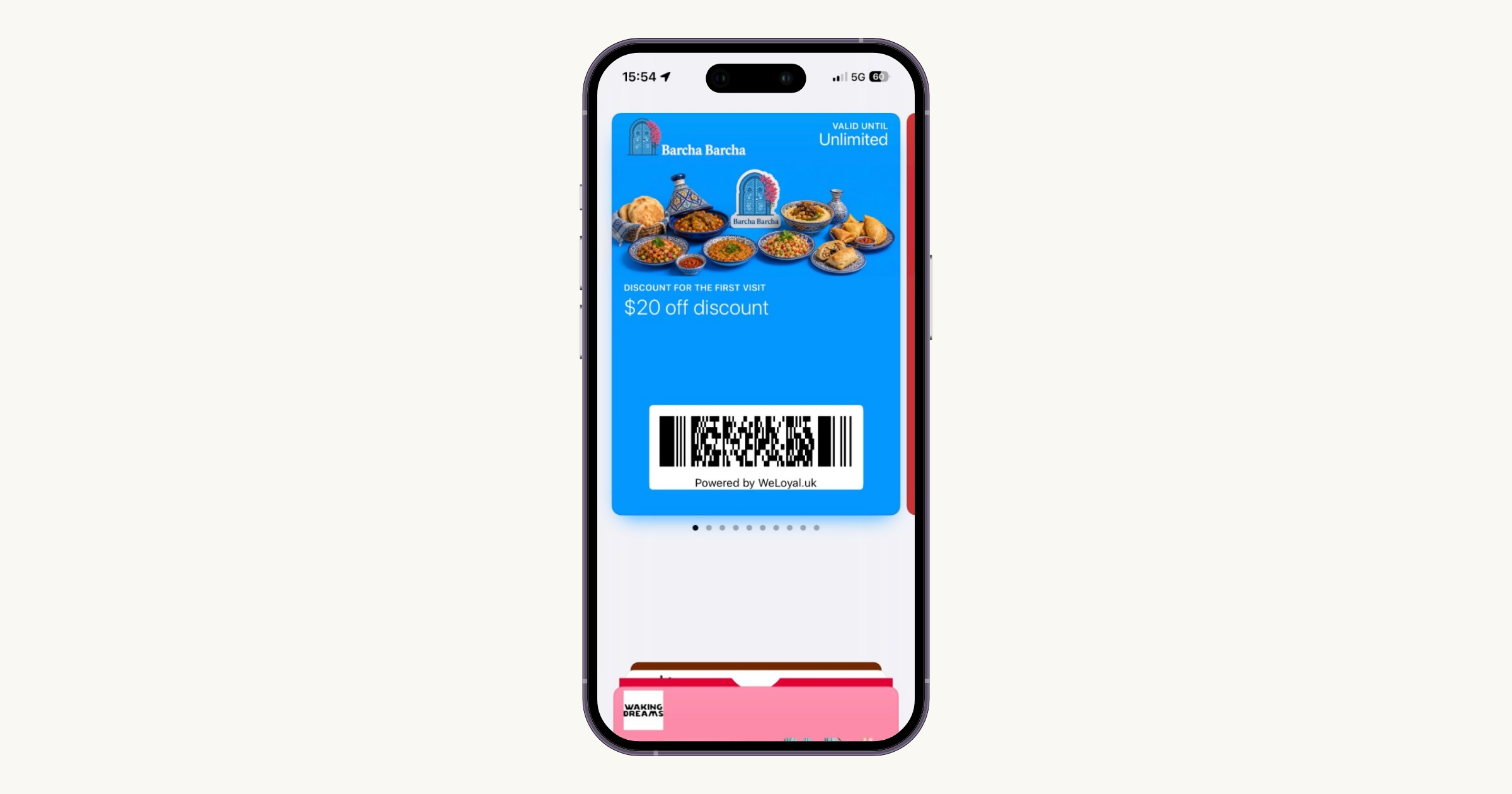
WeLoyal is a digital loyalty card platform that helps businesses run customer acquisition offers and ongoing loyalty programs directly through Apple Wallet and Google Wallet, with no paper coupons, no plastic cards, and no separate app for customers to install. A business builds a card once, and a customer can install it in seconds by scanning a QR code from a flyer, an ad, or a social media post. Among WeLoyal' card types, the coupon card is designed specifically for first-time offers aimed at people who have never done business with you before, and it can be linked directly into an ongoing loyalty program so that first visit becomes the start of a real relationship.
Every loyalty card we've talked about so far assumes something important, that a customer has already decided to give your business a chance and is now looking for a reason to keep coming back. The coupon card exists one step earlier than that. It's not built for loyalty at all, not really. It's built for that very first moment of contact, when someone has never walked through your door, has no relationship with your brand whatsoever, and needs a genuinely good reason to try you instead of the business next door. A coupon is that reason, made as frictionless as possible.
A single, deliberate offer, and nothing more
Unlike every other card type, a coupon isn't designed to be used repeatedly. It's a one-time offer, redeemed once, and then its job is essentially done. Twenty percent off a first order, a free appetizer, a complimentary add-on service, whatever makes sense as a compelling reason for someone to actually walk in the door for the first time. Because it's one-time by design, there's no balance to track, no tier to climb, nothing complicated for either the customer or your staff to keep in their head. Show it, redeem it, that's the whole transaction.
This simplicity is exactly what makes coupons so effective in advertising and acquisition campaigns. When someone sees an ad on social media or scans a QR code on a flyer, the last thing you want is to ask them to understand a whole loyalty program before they've even bought anything from you. A coupon asks for nothing beyond "here's a good deal, come try it," which is about as low friction as a first impression can get.
The clever part: turning a one-time visit into an ongoing relationship
Here's where the coupon card genuinely earns a place alongside the loyalty cards rather than sitting off on its own as just a discount tool. You can link a coupon directly to one of your other loyalty card templates, whether that's a stamp card, a reward card, or any other type you've built. When a customer redeems the coupon, rather than the relationship simply ending there, it automatically rolls that customer straight into your ongoing loyalty program. They walk in as a stranger chasing a discount, and they walk out already partway enrolled in your stamp card or points system, starting to build toward their next reward without ever having to fill out a second form or install a second card.
This is a small piece of design that solves a genuinely common problem. Most businesses run acquisition promotions and loyalty programs as two completely separate efforts, with no real bridge connecting the two, which means a huge number of people who take advantage of a first-time discount never actually convert into a repeat customer, because nobody ever invited them into the ongoing program. Linking a coupon to your loyalty card closes that gap entirely. The acquisition offer and the retention program become one continuous journey instead of two disconnected ideas.
There's a sensible safeguard built in here too. If someone has already installed the linked loyalty card on its own, they won't be able to install the coupon separately, since that would just create a confusing duplicate entry point into a relationship they're already part of. The system catches this automatically and lets them know, keeping your customer records clean rather than fragmented across two versions of the same person.
Controlling exactly how far a coupon reaches
Because coupons are explicitly built for acquisition, you have real control over scarcity and urgency in a way that makes sense for a first-time offer. You can cap the total number of coupons that will ever be issued, useful for a "first hundred customers" style promotion that creates genuine urgency rather than an open-ended discount anyone can claim at any time. You can also set a tight expiration window, since a coupon that never expires loses most of its power to actually drive someone through the door this week rather than someday, eventually, maybe.
Every coupon can also be tracked back to exactly where it came from. If you're running the same offer across a few different channels, say a QR code on an in-store flyer and a separate link in a social media ad, each one can be tagged individually, so you can see with real clarity which channel is actually bringing people in and which one is just costing you money for nothing.
Where a coupon card genuinely earns its place
This format belongs in the hands of any business that's actively trying to bring in new customers rather than simply reward the ones it already has. New locations trying to build an initial customer base, seasonal promotions designed to get people through the door during a slow period, social media and paid ad campaigns that need a clean, trackable offer to point people toward. Pair it with a linked loyalty card behind the scenes, and a coupon stops being just a one-off discount and becomes the opening move in a much longer relationship, one that starts the moment someone scans a code out of simple curiosity and, if the experience is good enough, never really ends.
Why a digital coupon converts better than a paper one ever could
The entire point of a coupon is getting someone through the door for the first time, and a paper flyer or a printed voucher is genuinely bad at that job, easily thrown away, easily forgotten in a bag, easily lost between seeing the ad and actually deciding to visit. A coupon that lives in a phone's wallet solves that problem simply by existing somewhere a person doesn't lose things.
Once a first-time customer installs a coupon into Apple Wallet, it sits in the same place as their boarding passes and event tickets, permanent, visible, and impossible to accidentally throw in the bin the way a paper flyer so often is. That alone dramatically improves how many people who claim an offer actually follow through and redeem it.
What makes this especially useful for acquisition is the ability to follow up with that brand new contact through unlimited push notifications at no per-message cost. Someone who claimed a coupon but hasn't yet redeemed it isn't a lost lead, they're simply someone who hasn't been reminded yet, and reminding them costs nothing extra, unlike SMS campaigns that charge per message and quickly become expensive at scale.
These reminders land somewhere genuinely more visible than most acquisition marketing ever manages. A wallet notification shows up on the lock screen exactly like a text message, well ahead of the pile of app notifications most people have trained themselves to ignore. And crucially, claiming the coupon in the first place required absolutely no app download. Someone scans a QR code from an ad or a flyer, taps once, and the offer is installed, which removes the single biggest reason acquisition offers fail to convert in the first place, the friction of downloading something for a discount they're not yet sure is worth the effort.
Geo-triggered notifications add real power here too. If someone claimed a coupon online and hasn't yet visited, and they happen to walk near your business, their phone can trigger an automatic reminder at exactly the moment they're close enough to actually walk in, no manual follow-up needed on your part.
And because a coupon can be linked directly into an ongoing loyalty card, the RFM analysis powering the rest of your program starts working on this customer from the very first redemption. The moment someone claims their first-visit offer, they're being tracked by how Recently, Frequently, and how much they spend from that point forward, and automations can respond accordingly. A new customer who redeemed a coupon but hasn't returned in a few weeks can automatically receive a gentle nudge back, while someone who converts quickly into a regular can be recognized and welcomed properly into the loyalty side of the relationship.
This is exactly how a coupon stops being a one-time discount and starts contributing to real lifetime value. A customer acquired for the cost of a free coffee or a percentage off can, if the follow-up is handled well, turn into someone who visits for years. The dashboard makes this measurable rather than theoretical, showing you exactly how many coupon redemptions actually converted into repeat, loyal customers, and what those customers have gone on to spend since that very first visit, giving you a genuine read on whether your acquisition spend is actually paying off.
Best suited for businesses with:
- A need to attract first-time customers, not reward existing ones
- Active advertising or social media campaigns that need a trackable offer
- A new location or seasonal promotion trying to build initial traffic
Example businesses:
- New restaurant or retail openings
- Any business running paid social or search ad campaigns
- Seasonal businesses needing a boost during slow periods
- Pop-up shops and events
- Franchises launching in a new area
What a coupon card is good at:
- Giving a stranger a low-friction reason to walk through the door for the first time
- Tracking exactly which channel or ad brought in each new customer
- Automatically enrolling redeemers into an ongoing loyalty program
- Creating urgency through limited quantities and tight expiry windows
What it's not built for:
- Rewarding repeat behavior from existing customers (better suited to a stamp, cashback, reward, or discount card)
- Ongoing prepaid or subscription relationships (better suited to a multipass or membership card)
Explore the other WeLoyal card types
This card is one of eight built into WeLoyal. If you are still deciding which mechanic fits your business, our full guide on the 8 WeLoyal card types compares them side by side, or read what WeLoyal is for the wider retention picture. You can also see every card type live in the card types section of our homepage.
Read more
The Discount Card: Loyalty Without Making Anyone Do the Math
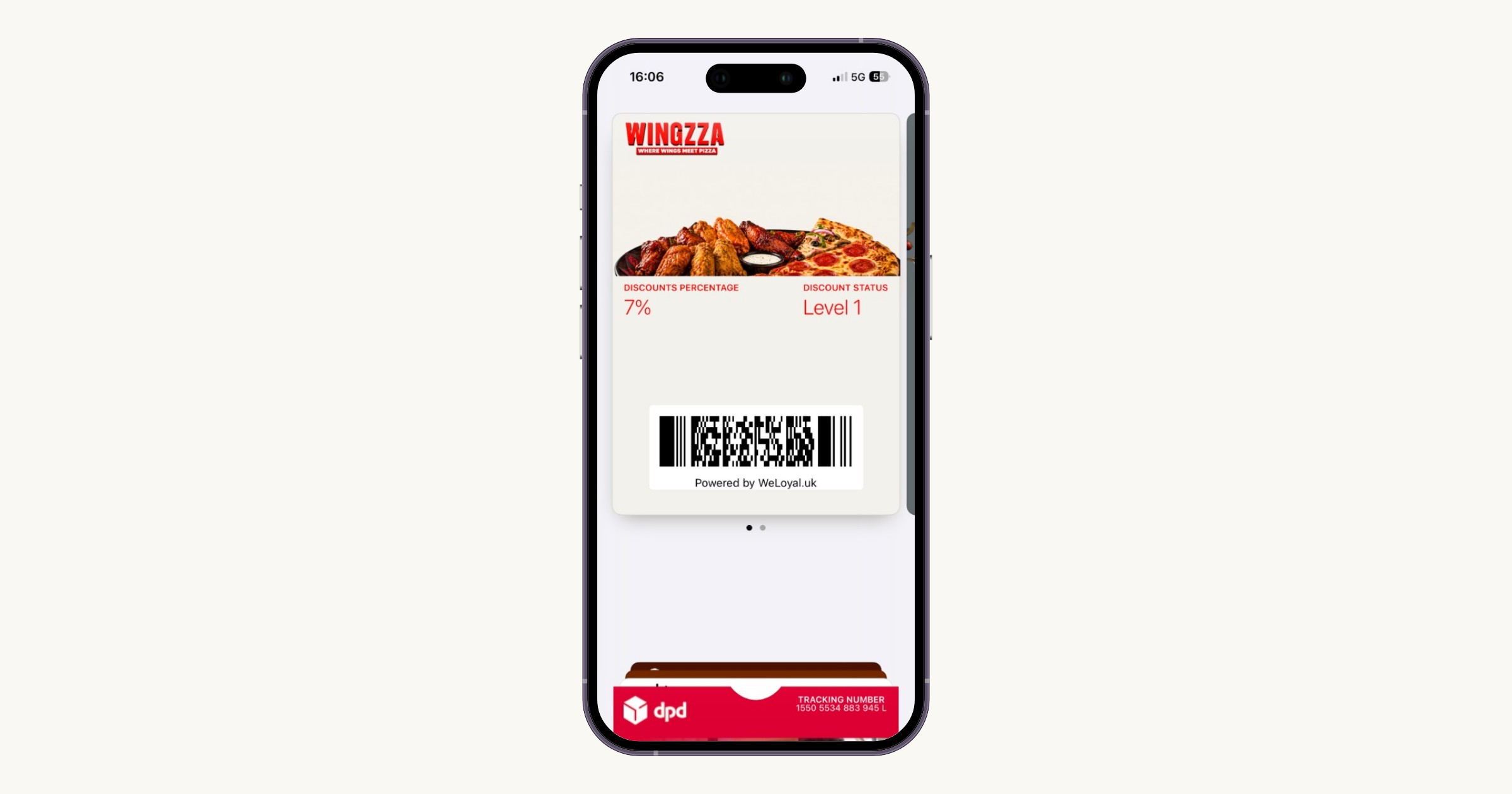
WeLoyal discount cards give loyal customers an automatic price reduction that climbs as they spend, with no points balance to track or redeem.
The Stamp Card: Why the Oldest Loyalty Trick Still Works Best
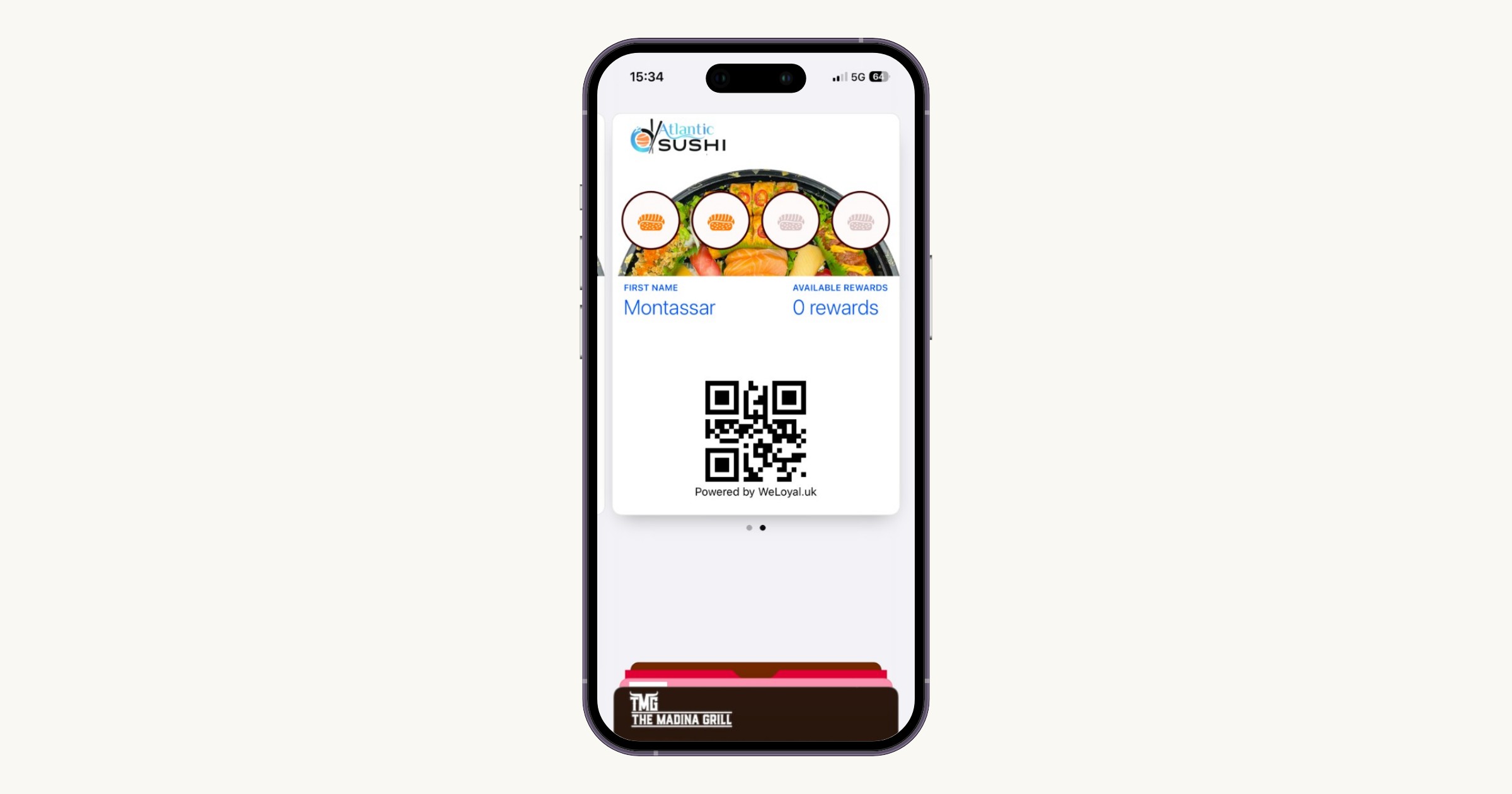
How WeLoyal digital stamp cards work: buy-x-get-one-free rewards in Apple Wallet and Google Wallet, with expiring stamps, referrals, and push notifications.
Digital Loyalty Cards for Restaurants, Retail, Salons, and Gyms: Choosing the Right Card Type by Industry
Which WeLoyal card type fits your business? A guide to the best loyalty mechanics for restaurants, cafés, retail shops, salons, and gyms, with links to every card type.