What Is WeLoyal? Digital Loyalty Cards and Customer Retention Explained
A complete guide to what WeLoyal is, how digital loyalty cards work, and how local businesses use it to bring customers back.
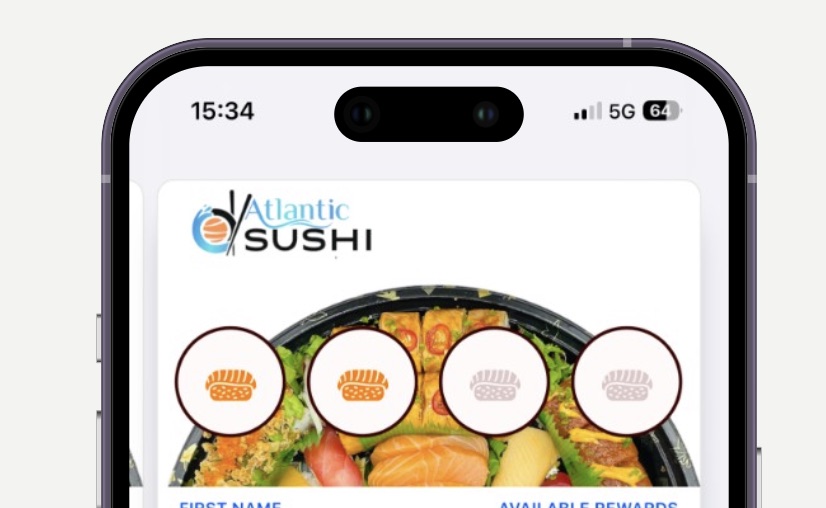
WeLoyal is a digital loyalty and customer retention platform for local businesses. It helps cafés, restaurants, salons, barbershops, beauty studios, gyms, retail shops, car washes, clinics, and other service businesses turn first-time visitors into regular customers.
The simple version is this: WeLoyal lets a business create digital reward cards that customers can keep in Apple Wallet or Google Wallet, scan those cards at each visit, reward the right behaviour, and send useful messages that bring people back.
That may sound like a loyalty card system, but the bigger purpose is customer retention. A loyalty card is only the visible part. The real goal is to help a business keep more of the customers it already worked hard to attract.
What is WeLoyal?
WeLoyal is software for creating and managing digital loyalty programs.
Instead of using paper punch cards, plastic cards, or a custom app that customers have to download, WeLoyal creates mobile wallet cards. A customer taps a link or scans a QR code, adds the card to their phone, and then uses that card whenever they visit the business.
For the business, WeLoyal becomes the place where customer visits, rewards, promotions, push notifications, staff scanning, customer records, referrals, and retention campaigns are managed.
For the customer, the experience is simple. They do not need to download an app, create a complicated account, or remember a paper card. Their reward card sits in the wallet already on their phone.
That matters because loyalty only works when customers actually use it. If joining the program feels slow, people ignore it. If it takes one tap and lives on their phone, the business has a much better chance of staying visible after the first visit.
What is WeLoyal used for?
WeLoyal is used to help local businesses bring customers back more often.
Most businesses understand the pain of new customers disappearing. Someone visits once, has a good experience, and then life gets busy. They forget the name of the place, try a competitor, miss a reminder, or simply never build the habit of returning.
WeLoyal gives the business a way to keep the relationship active after that first purchase.
It can be used to:
- Replace paper stamp cards with digital wallet cards.
- Reward repeat visits, purchases, referrals, memberships, or prepaid passes.
- Send push notifications to customers through their phone wallet.
- Let staff scan and update customer cards from a phone.
- Track customers, visits, rewards, and redemptions in one place.
- Segment customers based on recency, frequency, and value.
- Create win-back campaigns for customers who have not returned.
- Run promotions, coupons, discounts, memberships, cashback, and gift cards.
- Give customers a personal referral link so they can invite friends.
- Understand which channels, offers, and campaigns create real return visits.
In plain language, WeLoyal is used to make repeat business easier.
Why local businesses need more than a paper loyalty card
Paper loyalty cards are familiar, but they have clear limits.
Customers forget them. Staff forget to stamp them. Cards get damaged, lost, or thrown away. The business cannot easily see who joined, who returned, who is close to a reward, or who stopped visiting.
A paper card may help a customer remember the reward, but it does not give the business a real retention system.
WeLoyal is different because the card is digital, connected, measurable, and easy to update. When a customer joins, the business can keep a customer profile. When the customer visits, the staff can scan the card. When the customer earns a reward, the card can update. When the customer has not visited in a while, the business can send a message.
That turns the loyalty card from a passive object into an active customer relationship.
How WeLoyal works
WeLoyal works in a simple loop:
- The business creates a digital card.
- The customer installs it using a link or QR code.
- Staff scan the card when the customer visits.
- The customer earns stamps, points, cashback, rewards, visits, or benefits.
- The business can send useful messages and promotions.
- The customer has a reason to come back.
This loop is important because retention is not one action. It is a repeated rhythm. A customer joins, returns, receives value, remembers the business, and returns again.
WeLoyal is built to support that rhythm.
Customers do not need to download an app
One of the biggest advantages of WeLoyal is that customers do not need a separate app.
The card installs into Apple Wallet or Google Wallet. That means the customer uses something already familiar. It feels like adding a boarding pass, ticket, or payment card.
This removes one of the biggest problems with traditional loyalty apps. Most customers do not want to download a new app for every café, salon, gym, or shop they visit. Even if they like the business, an app download can feel like too much effort.
With WeLoyal, the join flow can happen at the till, on a table tent, from a sticker, through a link, from social media, by email, or through a QR code. The customer can add the card quickly and keep it in their phone wallet.
That makes WeLoyal useful for busy local businesses where the loyalty experience needs to be fast.
The main types of digital cards WeLoyal supports
Different businesses need different loyalty mechanics. A coffee shop does not work exactly like a beauty studio. A gym does not work exactly like a car wash. A retailer does not always need the same reward system as a clinic.
WeLoyal supports several card types so the business can choose the model that fits its customer behaviour.
Stamp cards
Stamp cards are the digital version of the classic punch card.
A café might offer a free drink after ten purchases. A car wash might offer a free service after a set number of visits. A barber might reward regular appointments.
With WeLoyal, the card lives in the customer's wallet and staff can add stamps through the scanner. When the customer reaches the reward threshold, the reward can be redeemed and tracked.
Cashback cards
Cashback cards let customers earn points based on what they spend.
This works well when purchase value matters. A customer can earn points as a percentage of their purchases, then use those points toward future purchases depending on the business rules.
Cashback can also support tiered behaviour. For example, higher-spending customers can move into better reward levels. That gives regular customers a reason to keep choosing the same business.
Reward cards
Reward cards are useful when a business wants multiple earning levels or a more flexible reward structure.
Instead of a simple stamp count, the business can create rewards linked to points, bonuses, or customer behaviour. This can suit businesses where the value of each visit varies.
Membership cards
Membership cards help businesses manage paid memberships, VIP groups, regular client perks, or access-style benefits.
A gym, studio, clinic, or beauty business may want customers to feel part of a member group. A membership card can show status, benefits, visits, or customer-specific information in the wallet.
Discount cards
Discount cards are useful when the business wants a clear offer connected to customer status or activity.
They can support classic discount structures, earning levels, or special customer groups.
Coupon cards
Coupon cards are useful for promotions.
A business can use a coupon to attract new customers, bring back inactive customers, promote a seasonal offer, or encourage a specific action.
The benefit of a digital coupon is that it can be installed, scanned, redeemed, and measured.
Multipass cards
Multipass cards work well for businesses that sell multiple visits or sessions in advance.
Examples include classes, treatments, washes, appointments, or packages. A customer can buy a bundle, keep the pass in their wallet, and redeem visits over time.
Gift cards
Gift cards let customers buy prepaid value for themselves or someone else.
For local businesses, this can be useful around holidays, birthdays, events, or special campaigns. It creates upfront revenue and gives the recipient a reason to visit.
How customers get their WeLoyal card
WeLoyal supports several card distribution methods because every business meets customers differently.
A restaurant may want table tents. A salon may want a QR code at reception. A gym may want a link in a welcome message. A retail shop may want stickers near the checkout. A business with an existing customer list may want to send cards by email or SMS.
Common distribution methods include:
- QR codes printed in the business.
- Table tents on counters or tables.
- Stickers on packaging, receipts, mirrors, displays, or delivery bags.
- Direct links shared on social media.
- Email or SMS invitations to existing customers.
- Staff inviting customers during checkout.
- UTM links to track which channel created the card install.
This matters because a loyalty program should not live hidden in a dashboard. Customers need to see it at the right moment.
The best moment is usually when the customer is already engaged: after a purchase, at the till, while waiting, after a service, or when receiving an offer.
The Scanner App: how visits and rewards are updated
The Scanner App lets staff scan customer cards and update loyalty activity from a phone. For the full guide to scanning, POS connections, team permissions, and the API behind it, see how WeLoyal runs at the counter.
That means a business does not need special hardware to start. A staff member can scan a customer's card, add stamps, redeem rewards, update points, process visits, or confirm promotion usage depending on the card type.
The scanner can also search for customers by details such as name, phone number, email, or card serial number. This helps when a customer cannot open the card quickly or when staff need to find the right profile.
The scanner is important because loyalty has to work during real business hours. If the process is slow, staff will avoid it. If it is simple, it can become part of the normal checkout flow.
For the owner, scanned activity also creates useful data. The business can understand who came back, what they redeemed, how often they visit, and which offers are working.
Push notifications that bring customers back
WeLoyal can send push notifications through the customer's wallet card.
These messages can appear on the customer's phone without relying only on email or SMS. They can be used for reminders, offers, reward updates, win-back campaigns, geo-targeted nudges, birthday messages, promotion announcements, and reward unlocks.
The goal is not to spam customers. The goal is to send the right message at the right moment.
Examples:
- A café sends a lunchtime offer to nearby customers.
- A salon reminds a client it may be time to book again.
- A gym sends a member-only challenge or reward.
- A restaurant brings back customers who have not visited in a few weeks.
- A shop announces a limited-time discount to loyalty members.
- A customer receives an update when a reward is unlocked.
Good push messaging is powerful because it connects directly to customer behaviour. The message is more useful when it reflects what the customer did, what they earned, or what might bring them back.
Promotions and campaigns
WeLoyal can support promotions that are created, distributed, redeemed, and tracked.
Promotions are useful when a business wants to drive a specific action. That might be a quiet-day offer, a new product launch, a seasonal discount, a birthday reward, a reactivation campaign, or a member-only benefit.
The important difference is measurement. A printed offer may bring people in, but it is difficult to know exactly who used it and whether it led to repeat visits. A digital promotion can be connected to a customer profile, scanned by staff, and reviewed later.
This helps the business improve over time. Instead of guessing which offers work, it can see which campaigns actually create visits and redemptions.
Automations: retention without manual chasing
WeLoyal can also support automated workflows based on customer activity.
Automations are useful because business owners do not have time to manually message every customer. A good system should respond when something important happens.
Examples of useful automation triggers include:
- A customer installs a card.
- A card is scanned.
- A customer reaches a stamp or points threshold.
- A reward becomes available.
- A customer has a birthday.
- A customer moves into a different customer segment.
- A coupon is redeemed.
- A card is close to expiration.
- A customer has not returned for a period of time.
Actions can include sending a push notification, adding stamps or points, redeeming rewards, waiting for a period of time, checking conditions, sending an email or SMS if connected, or sending data to another system.
For a local business, this means retention can become more consistent. The owner does not have to remember every follow-up. WeLoyal can help create the system around the customer journey.
Customer CRM and segmentation
A loyalty program becomes much more useful when it helps the business understand customers.
WeLoyal gives businesses a way to keep customer records connected to loyalty activity. That can include customer details, card status, visits, scans, redemptions, rewards, promotion usage, and other activity.
The business can then segment customers instead of treating everyone the same.
One important segmentation model is RFM:
- Recency: how recently a customer visited or purchased.
- Frequency: how often the customer visits or purchases.
- Monetary value: how much the customer spends.
This helps separate customer groups. A regular VIP should not receive the same message as someone who visited once and disappeared. A customer who has not returned for months may need a win-back offer. A frequent customer may need recognition. A new customer may need a reason to make the second visit.
Segmentation makes marketing more relevant, and relevant marketing is what improves retention.
AI messaging and smarter retention
WeLoyal includes AI-powered messaging designed to help businesses communicate with customers more personally.
Instead of forcing an owner to manually decide what to send, when to send it, and who should receive it, AI messaging can help group customers and suggest the next best action.
That can mean:
- A win-back message for a lapsed customer.
- A thank-you reward for a frequent customer.
- A reminder for someone who is close to earning a reward.
- A campaign for a segment that has gone quiet.
- A more personal push message based on customer behaviour.
This is especially useful for small teams. Many local businesses know they should follow up with customers, but they do not have a full marketing department. WeLoyal helps make that follow-up more practical.
Referral programs
Happy customers can become a source of new customers.
WeLoyal can support referral links connected to customer cards. A customer can share their card or invite a friend, and the business can reward that behaviour.
This is useful because referrals often come from trust. A friend recommending a café, salon, gym, or shop can be more persuasive than a standard advertisement.
The key is making the referral easy to share and easy to track. If a customer has a personal link and the result is connected to the loyalty system, the business can reward both the existing customer and the new one without running everything manually.
Tracking where customers come from
WeLoyal can help businesses understand where card installs and customers come from.
For example, a business may share one link on Instagram, one QR code in the shop, one link with VIP customers, and one link in an email campaign. UTM-style tracking helps show which source created the install.
This is important for marketing decisions.
If a business knows that table tents create more signups than a social media link, it can invest more in the in-store journey. If a referral link brings in high-quality customers, it can promote referrals more seriously. If a campaign creates installs but no return visits, it can improve the offer.
Good retention is not just about collecting data. It is about knowing what to do next.
Integrations and multi-location use
Some businesses only need a simple digital card and scanner. Others need more advanced workflows.
WeLoyal can support growing businesses with several locations, managers, campaigns, promotions, and integrations. Staff can use scanning workflows, customer data can be managed centrally, and custom integrations can support more advanced setups when needed.
This makes WeLoyal suitable for a single local shop, but also useful for businesses that are growing into multiple branches.
The important part is that the loyalty system can start simple and become more advanced as the business grows.
Which businesses is WeLoyal best for?
WeLoyal is best for businesses where repeat visits matter.
That includes:
- Cafés and coffee shops that want customers to return more often.
- Restaurants that want to fill quiet days and reward regulars.
- Salons and beauty studios that want clients to rebook.
- Barbershops that depend on routine visits.
- Gyms, studios, and wellness businesses that need habit and membership engagement.
- Retail shops that want customers to choose them again instead of a competitor.
- Car washes and service businesses where repeat visits can be encouraged with stamps, passes, or memberships.
- Clinics and appointment-based businesses that want a better way to keep clients engaged.
The common pattern is simple: if a customer coming back again is valuable, WeLoyal can help.
Why WeLoyal is about retention, not just rewards
Rewards are useful, but rewards alone are not the full strategy.
A business can give away discounts and still fail to build loyalty if customers forget to return. A business can offer a free item and still lose customers if the program is hard to use. A business can collect signups and still get poor results if it never follows up.
Retention needs a system.
That system should answer several questions:
- How does a customer join?
- How does the business record visits?
- What does the customer earn?
- What happens after the first visit?
- How does the business know who is active?
- How does the business bring back quiet customers?
- How does the owner measure whether the program is working?
WeLoyal brings those pieces together.
The card gives customers something visible. The scanner records activity. The CRM stores the relationship. Push notifications and automations create follow-up. Segmentation helps the business communicate with the right people. Analytics and tracking help the owner understand what is working.
That is the difference between having a loyalty card and having a retention system.
A simple example of WeLoyal in practice
Imagine a café launches a WeLoyal stamp card.
At the counter, customers scan a QR code and add the card to Apple Wallet or Google Wallet. Staff scan the card each time the customer buys a coffee. After enough visits, the customer earns a reward.
That is the basic loyalty layer.
But WeLoyal can go further.
The café can send a quiet-afternoon offer to nearby cardholders. It can identify customers who came twice and then stopped. It can send a win-back message to people who have not visited in a month. It can reward VIP customers. It can track whether the QR code on the counter performs better than a link on Instagram. It can see which promotions lead to real redemptions.
That is where the business value appears. The café is no longer just handing out stamps. It is building a repeat-visit engine.
How to start with WeLoyal
A business can book a demo or review pricing, then start with a simple card and expand from there.
The first step is choosing the right card type. A stamp card may be best for regular visits. Cashback may be better when purchase value changes. Membership may be better for paid plans or VIP groups. Multipass may be better for sessions or prepaid visits. Coupons and discounts may be better for promotions.
The second step is making the card easy to join. The business can place QR codes where customers already pay, wait, sit, or receive their order. Staff can invite customers at the right moment. Existing customers can receive a link.
The third step is training staff to scan the card consistently. This is what turns the program from a nice idea into actual data.
The fourth step is using messages and campaigns carefully. Start with useful reminders, reward updates, and clear offers. Then use segments and automations as the customer base grows.
The fifth step is reviewing what works. Look at installs, scans, redemptions, returning customers, campaign results, and customer segments. Improve the program from there.
What makes a WeLoyal program successful?
A successful WeLoyal program is simple for customers and consistent for staff.
Customers should understand the benefit quickly. Staff should know when to invite people and how to scan cards. The reward should feel worth returning for. Messages should be useful, not random. The owner should review the data and adjust the offer over time.
The strongest programs usually have a clear reason to return.
That reason might be:
- Progress toward a reward.
- A membership benefit.
- Cashback or points.
- A limited-time offer.
- A personal reminder.
- A referral reward.
- A prepaid pass.
- A VIP status.
The best loyalty program is not always the most complicated one. It is the one customers actually join, remember, and use.
Is WeLoyal only for loyalty cards?
No. WeLoyal includes loyalty cards, but it is broader than that.
A better way to describe WeLoyal is customer retention software for local businesses.
Digital cards are the starting point because they give customers something easy to keep and use. But the platform also helps with scanning, customer data, push notifications, promotions, referrals, automations, segmentation, AI messaging, and tracking.
That is why WeLoyal can support more than one kind of business. It is not limited to a single reward model.
The main benefit of WeLoyal
The main benefit of WeLoyal is that it helps businesses get more value from the customers they already have.
New customers matter, but repeat customers usually create stronger growth. They already know the business. They are easier to bring back than a completely cold audience. They are more likely to recommend the business. They are more likely to spend again when the relationship is kept active.
WeLoyal helps build that relationship in a practical way.
It gives the customer a card they can keep. It gives staff a way to update it. It gives the business a way to communicate. It gives the owner data to understand what is happening. And it gives the whole business a more consistent way to turn visits into loyalty.
Final answer: what is WeLoyal?
WeLoyal is a digital loyalty and retention platform for local businesses.
It is used to create mobile wallet reward cards, scan customer visits, manage loyalty activity, send push notifications, run promotions, automate follow-ups, segment customers, track referrals, and bring customers back more often.
For customers, it feels simple: add a card to the phone and use it when visiting.
For business owners, it becomes a system for repeat visits, customer retention, and long-term revenue growth.
That is the point of WeLoyal: not just to give customers a reward, but to help them come back again.
Read more
Customer Lifetime Value: What It Means and How a Loyalty Program Actually Increases It
What customer lifetime value means, why it matters more than any single visit, and exactly how a digital loyalty program moves that number in the right direction.

How to Win Back Sleeping Customers Automatically: Re-Engagement Campaigns Explained
How automated re-engagement identifies customers who have quietly stopped visiting and wins them back with timely, targeted messaging.
Geo-Located Push Notifications Explained: Reaching Customers the Moment They're Nearby
How geo-located push notifications on a digital loyalty card fire automatically when a customer walks nearby, and why the timing beats any scheduled message.