The Gift Card: Turning a Present Into a New Customer
WeLoyal digital gift cards let one person buy a prepaid balance and send it to someone else, installed straight into Apple Wallet or Google Wallet.
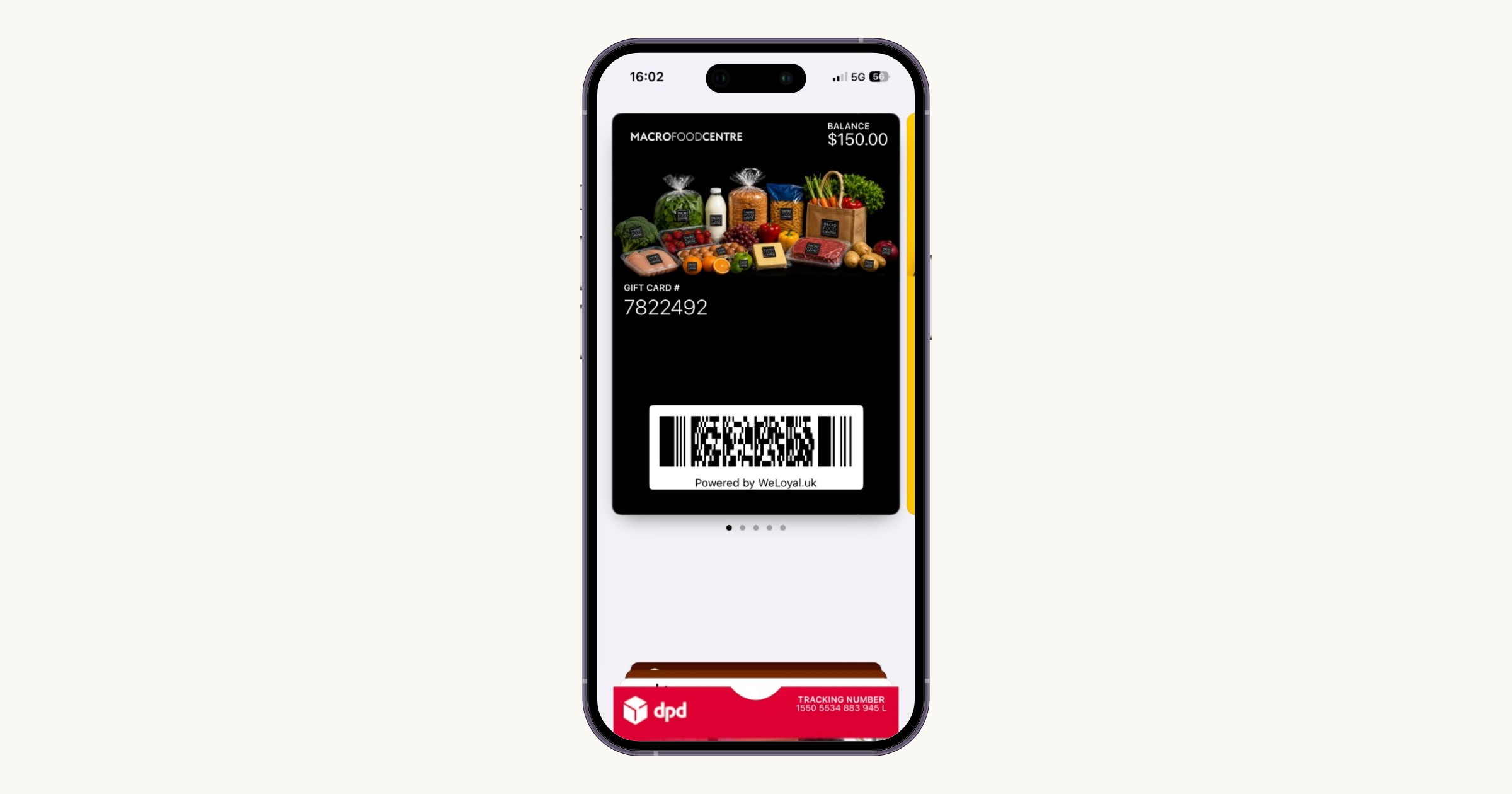
WeLoyal is a digital loyalty card platform that allows businesses to issue loyalty cards, prepaid balances, and gift cards through Apple Wallet and Google Wallet, removing the need for paper gift certificates, plastic gift cards, or a separate app for the recipient to download. A card is created once by the business, and customers or gift recipients install it directly onto their phone in seconds. Among the card types WeLoyal supports, the gift card is purpose-built for prepaid balances that can be purchased by one person and sent as an actual gift to someone else, with the balance already loaded and visible the moment it's installed.
There's something a paper gift certificate has always been bad at, and that's surviving the journey from the person who bought it to the person it was meant for. It gets left in a drawer, forgotten in a coat pocket, or the shop closes before anyone gets around to using it and there's no way to prove it ever existed. A digital gift card fixes the physical fragility of that whole idea, but WeLoyal' version of it does something more interesting than just being a sturdier version of the same thing. It's designed from the ground up to work as an actual gift, bought by one person, sent to another, and installed straight onto that second person's phone with the balance already sitting there waiting.
A balance that behaves the way a real gift should
At its heart, a gift card is simply a monetary or point balance a customer can spend down over time, either fully in one go or gradually across several visits, depending on how you've set the card up. Some businesses want the entire balance used in a single transaction, which suits a straightforward voucher-style gift. Others want the balance to behave more like store credit, letting the recipient chip away at it across multiple visits until it's gone. Both options exist, and the choice really comes down to how you naturally sell things, whether your average purchase tends to use up a gift's full value in one sitting or whether people typically come back several times before spending that much.
Loading the balance is flexible too. You can credit it all at once when the card is issued, or add to it in portions over time, which matters for businesses that sell top-ups or want to layer promotional credit onto an existing balance without creating a brand new card each time.
The part that actually makes this a gift, not just a voucher
What separates this from an ordinary discount voucher is the flow built specifically around giving it to someone else. A customer pays you online for a gift card of whatever value they choose, and once that payment goes through, they receive a shareable link or QR code, not a code for themselves to use, but one meant to be handed off. They send that link to the person they're actually buying the gift for, whether that's a text message before a birthday or an email the morning of an anniversary, and when the recipient opens it, they install the card straight into their own phone's wallet and immediately see the balance already loaded and ready to spend. There's no code to type in, no separate registration step, nothing lost in translation between the purchase and the actual gift landing in someone's hands.
This entire flow runs on a direct payment connection, meaning the money moves straight from the purchaser to your account the moment they buy the gift card, before the recipient has even opened the link. You're not waiting on anything or manually processing a transaction, the sale is complete the instant it happens, and everything from that point forward is just the gift finding its way to the right person.
If you'd rather issue gift cards manually, say a customer walks in and wants to buy one in person, or you want to send one directly to a specific existing customer as a thank you, that path exists too. You choose the customer, set the balance and expiry yourself, and send them the install link through text or email, with the option to personalize the message and either send it immediately or schedule it for later, useful if you want a gift to land exactly on the morning of someone's birthday rather than the moment it was purchased.
Why this quietly becomes a new customer acquisition tool
Here's the part that makes gift cards worth more to a business than the value of the balance itself. Every gift card sent to a new recipient is, functionally, a warm introduction to your business from someone that recipient already trusts. Someone's friend bought them a gift certificate for your spa, and now they're installing your card, walking through your door for the first time, and experiencing your business because someone they know vouched for it. You didn't have to run an ad or offer a discount to earn that first visit, someone else did the convincing for you, and all you had to do was make the actual gift-giving experience smooth enough that neither party got frustrated along the way.
You can also set boundaries around how the gift-giving works, defining minimum and maximum amounts a purchaser can load onto a card, which keeps the whole system sensible and prevents both awkwardly tiny gifts and unmanageably large ones.
Where gift cards genuinely earn their place
This format suits any business with a natural gifting occasion built into how people already think about it. Spas and beauty salons, restaurants, boutique retail, anywhere someone regularly thinks "this would make a lovely gift for a birthday or an anniversary." It's also worth having even if gifting isn't the primary use case you imagined, because a flexible prepaid balance works just as well as a simple way to sell credit upfront to your existing regulars, turning future visits into cash in hand today. Either way, it's one of the few loyalty formats that actively brings brand new customers through your door rather than simply rewarding the ones you already have.
Why a digital gift card keeps working after the gift is opened
A gift is only as good as the experience of actually using it, and this is where a card that lives in a phone's wallet pulls meaningfully ahead of a paper certificate or a plastic gift card that can be misplaced before it's ever redeemed.
Once installed, a gift card sits in Apple Wallet alongside boarding passes and event tickets, in the one part of a phone people genuinely don't lose. There's no gift certificate forgotten in a coat pocket, no plastic card that slips out of a wallet and vanishes. The balance the recipient was given simply stays there, visible and ready, for as long as it takes them to actually use it.
That permanence opens the door to something most gift-giving formats never offer, the ability to send the recipient unlimited push notifications at no per-message cost. This matters more for a gift card than almost any other type, because a recipient who was given a gift by someone else, rather than someone who sought your business out themselves, often needs a gentle reminder that the balance is sitting there waiting. That reminder costs you nothing to send, however many times it takes.
These reminders also land somewhere far more visible than a typical marketing message. A wallet notification appears directly on the lock screen, the same way a text does, ahead of the pile of app notifications most people never bother opening. And the entire installation process, for both the person buying the gift and the person receiving it, required no app download whatsoever. A link or QR code, one tap, and the balance is simply there on their phone.
Location-based alerts add a particularly nice touch for a gifted card. If the recipient happens to walk near your business while their balance still sits unused, they can receive an automatic reminder right at the moment they're close enough to actually walk in and redeem it, no manual outreach required from you at all.
Underneath the surface, RFM analysis quietly tracks how the recipient behaves once they've received the gift, how Recently they've engaged with it, how Frequently they've returned since, and how much they've spent beyond the original gifted balance. This lets you treat a gift recipient differently depending on what they do next. Someone who redeemed their gift and never came back can be automatically nudged with a small incentive to return, while someone who's clearly become a regular after their first visit can be welcomed into your ongoing loyalty program properly, rather than being left as a one-time gift redemption with no further relationship.
This is really the heart of why a gift card is worth taking seriously beyond the value of the balance itself. A well-handled gift recipient often becomes a genuinely long-term customer, and that shows up directly in lifetime value figures over time. The dashboard behind the card lets you see exactly how many gift recipients went on to become repeat customers, how much they've spent beyond their original gifted amount, and what the gifting side of your business is actually contributing in new customer acquisition, numbers that are very difficult to track with a paper gift certificate that disappears the moment it's redeemed.
Best suited for businesses with:
- A natural gifting occasion (birthdays, anniversaries, holidays)
- A desire to sell prepaid credit upfront to existing regulars
- An interest in acquiring new customers through referrals built into the gift itself
Example businesses:
- Spas and beauty salons
- Restaurants and cafés
- Boutique retail and gift shops
- Hair and grooming studios
- Experience-based businesses (classes, workshops, activities)
- Wellness and massage clinics
What a gift card is good at:
- Bringing in brand new customers through a trusted personal recommendation
- Collecting revenue instantly, before the recipient ever redeems anything
- Working as a simple prepaid balance for existing regulars, not just as a gift
- Delivering the gift digitally with no code to lose or physical card to misplace
What it's not built for:
- Ongoing, repeat-earning loyalty relationships (better suited to a stamp, cashback, or reward card)
- Subscription-style recurring billing (better suited to a membership card)
Explore the other WeLoyal card types
This card is one of eight built into WeLoyal. If you are still deciding which mechanic fits your business, our full guide on the 8 WeLoyal card types compares them side by side, or read what WeLoyal is for the wider retention picture. You can also see every card type live in the card types section of our homepage.
Read more
The Reward Card: One Points System, Built to Bend Around Your Business
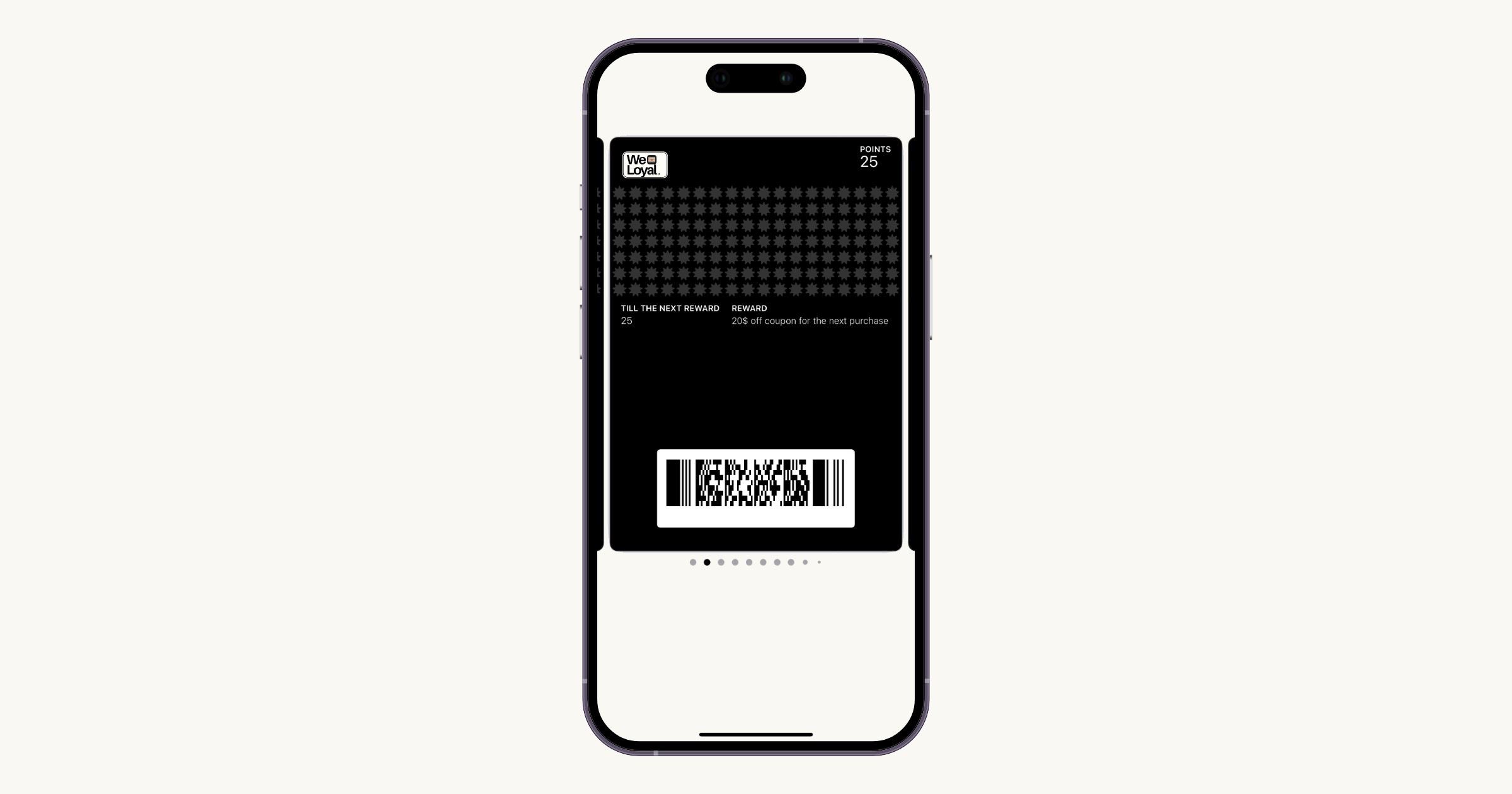
The most flexible WeLoyal card type: a points system you can tie to spend, visits, or manual actions, and reshape later without losing customers.
The Discount Card: Loyalty Without Making Anyone Do the Math
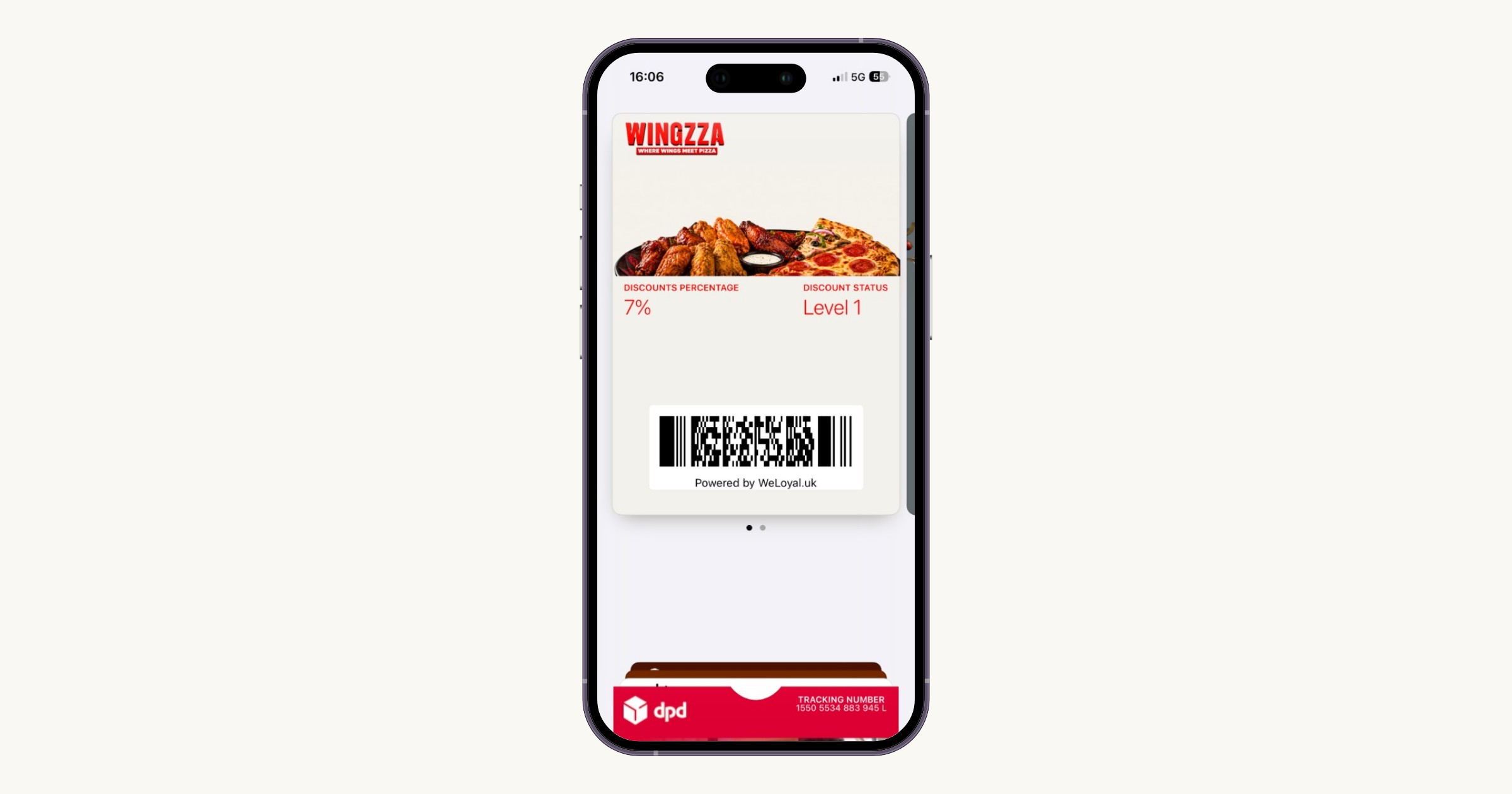
WeLoyal discount cards give loyal customers an automatic price reduction that climbs as they spend, with no points balance to track or redeem.
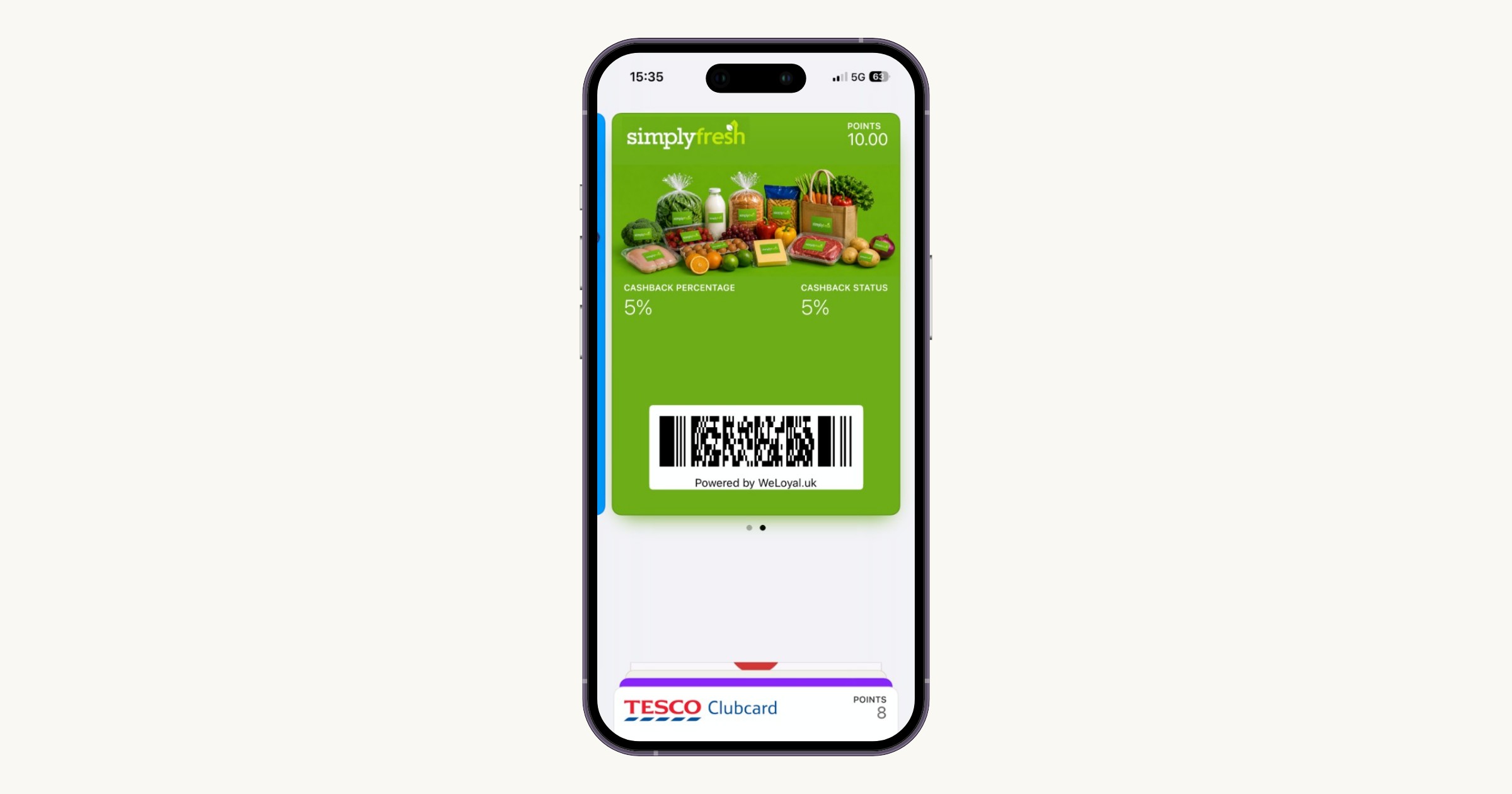
The Cashback Card: Rewarding Your Best Customers More, Automatically
Give customers a percentage of every purchase back as spendable points with WeLoyal cashback cards, built for businesses where purchase sizes vary.